Granite Ware · Pizza Stones & Baking Surfaces
Better Browning Pizza Pan 14 Inch, Is It Non-Toxic?
Lower concern. Bare enameled steel cookware carries minimal PFAS risk.
Granite Ware's pizza pan is enameled steel with no nonstick coating, eliminating the primary PFAS vector in cookware. Brand does not disclose PFAS status, but material itself poses lower concern.
We flunk more products than we pass. This one earned its grade. How we grade
Material
Bare enameled steel
Brand disclosure
Brand is silent on PFAS
Lab data
No public lab test
You may also be interested in
Top-graded picks in the categories readers replace first, every one scored on the same rubric.

- polypropylene filter housing, carbon/sediment cartridge
- We found no PFAS statement from the brand
- Bacterial growth in spent cartridges
3 hazards checked on this product, all on its full breakdown.

Aquasure
Premier Series 75 GPD Under Sink Reverse Osmosis Water Filtration System
- RO membrane, carbon filters, stainless steel housing
- We found no PFAS statement from the brand
- Bacterial and microbial growth in housing and filters
4 hazards checked on this product, all on its full breakdown.

Avocado
Vegan Mattress
- organic cotton, natural latex, coconut coir, recycled steel coils
- The brand calls it PFAS-free, which we have not verified
- Heavy metals
2 hazards checked on this product, all on its full breakdown.
Is Better Browning Pizza Pan 14 Inch non-toxic? What it is made of
This pan is steel substrate with a bare vitreous enamel coating, a glass-like inorganic layer fused to metal at high heat. Enamel does not rely on synthetic polymers or per-fluorinated compounds for its water and stain resistance. The coating is chemically stable once cured, meaning it does not leach polymeric softeners, BPA, or phthalates into food the way polymer-based non-stick coatings may.
What’s concerning
Category baseline
The starting point for this type of product, before anything specific to this product is counted.
No PFAS disclosure
No public statement from the brand about PFAS in this product.
Coating degradation and chip exposure
Vitreous enamel is durable but can chip or crack under thermal shock or impact. Once exposed, bare steel beneath can rust and leach iron oxides; no specific recalls for this brand are documented, but replacement becomes necessary if visible damage occurs.
Iron leaching from bare steel exposure
If enamel coating chips or cracks, exposed steel can rust and contribute iron oxide particles to food. This is a maintenance concern, not a baseline manufacturing defect, but users should inspect the pan before each use and discontinue use if damage is visible.
What’s reassuring
Bare uncoated material
Recorded as a bare, uncoated material with no surface coating or treatment.
Lead
Modern enamel cookware sold in the US is regulated under FDA standards and CPSIA for lead and cadmium content in ceramic coatings. No testing results or violations are on public record for Granite Ware products; however, comprehensive third-party lab reports are not publicly available for this specific pan.
Source, ATSDR ↗Aluminum leaching
This product is steel-based, not aluminum, so aluminum leaching is not applicable.
Teflon-type coating or Teflon-family coating fume risk
Bare enamel does not use Teflon-type coating or synthetic non-stick polymers, so fume release under high heat is not a hazard associated with this coating type.
How is this PFAS grade calculated?
The brand's record and disclosure
Granite Ware (part of Columbian Home Products) has a long history in enameled steel cookware manufacture and maintains no known public controversy regarding lead, cadmium, or coating safety in recent decades. The brand does not actively publicize third-party testing or safety certifications, but enameled steel cookware as a category is subject to FDA and CPSIA regulations on ceramic and metal leachates. No recalls specific to this product line are on record.
How it compares in its category
Bare enameled steel sits at the lower end of chemical hazard risk compared to Teflon-type coating-based non-stick, ceramic-coated aluminum, or silicone-reinforced coatings, provided the enamel remains intact. Unlike non-stick polymers, enamel does not emit fumes under high heat. The main trade-off is durability, enamel can chip or crack with impact or thermal shock, requiring replacement; more expensive stainless-steel or cast-iron alternatives may outlast it.
If you buy it
Avoid thermal shock by preheating gradually and not placing a cold pan directly on high heat. Inspect the enamel regularly for cracks or chips; stop using if damage exposes bare steel, which can rust and corrode. Hand wash when possible to minimize chipping; abrasive scrubbers may accelerate coating wear. Do not use on very high heat (above 500F for extended periods) as extreme temperatures can stress the enamel-steel bond.
What is not known about PFAS in this product?
- Basis
- Model estimate, 82% confidence, not a lab result
- Lab test
- None on record for this exact product
- Brand statement
- Granite Ware has made none
Formulations change between production runs, so check the current label. How we grade.
What are the PFAS-free alternatives to Better Browning Pizza Pan 14 Inch?
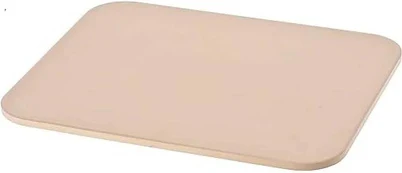
15-Inch Ceramic Pizza Stone for Perfect Crispy Crusts
- Ceramic (clay-based baking stone)
- The brand calls it PFAS-free, which we have not verified
- Glaze degradation and surface leaching
3 hazards checked on this product, all on its full breakdown.
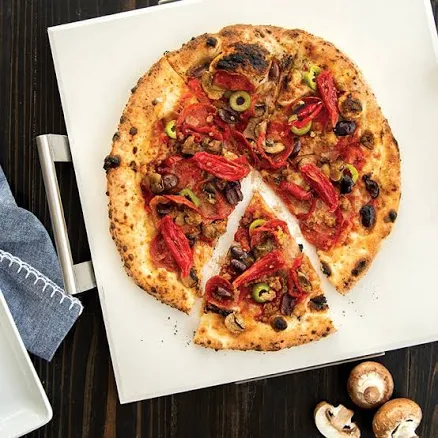
Deluxe Square Pizza Stone with Rack
- ceramic or unglazed stone; no nonstick coating
- The brand calls it PFAS-free, which we have not verified
- Ceramic or stone cracking and fragmentation
2 hazards checked on this product, all on its full breakdown.
More pizza stones & baking surfaces grades
How we score, every product runs through the same public 0-100 rubric based on materials, coatings, brand disclosure, lab findings, and recalls. See the full methodology → Spotted a mistake? Report an error.