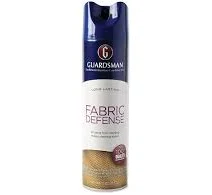
Guardsman · Fabric Stain Guard Sprays
Guardsman Fabric Defense Upholstery Protector
Stop using until the brand reveals coating details and composition.
Guardsman keeps its coating ingredients and PFAS status hidden from consumers. Fabric protectors routinely use fluorinated compounds for water and stain resistance, making transparency essential.
Still want this one anyway? Check the price on Amazon. We’d swap it.
Material
Proprietary fabric treatment coating, unspecified
Brand disclosure
Brand is silent on PFAS
Lab data
No public lab test
What Guardsman Fabric Defense Upholstery is made of, ingredients and materials
Guardsman Fabric Defense is a liquid spray-on protective coating applied to upholstery to repel stains and water. The exact chemical composition is proprietary and not publicly disclosed, which is common in the fabric-treatment industry but prevents independent hazard assessment. Stain-resist treatments in this product category historically rely on fluorochemical (PFAS) compounds to achieve water and oil repellency; Guardsman has not publicly disclosed its PFAS content or manufacturing practices, raising concern about potential long-term exposure risk in treated fabrics.
What’s concerning
Category baseline
The starting point for this type of product, before anything specific to this product is counted.
Vague safety claims only
Uses vague language ("eco-friendly", "clean") without a specific PFAS statement.
Waterproof / stain-resistant treatment
Water-repellent coating treatments have historically used PFAS.
PFAS
Stain-resist coatings typically contain PFAS to achieve water and oil repellency; Guardsman has made no public disclosure refuting this or committing to PFAS-free chemistry. PFAS accumulate in human tissue and are linked to thyroid, liver, and immune effects; treated fabrics may off-gas or shed PFAS during use, especially with heat or friction.
Source, ATSDR ↗Volatile organic compounds (VOCs)
Spray application of proprietary coating formulations typically involves solvents that may off-gas during and after application. No specific VOC content is disclosed; typical fabric protectors release odor for hours to days after treatment, and sensitive individuals may experience respiratory irritation if not applied in well-ventilated conditions.
Inhalation exposure during application
Spray-on fabric treatments are inherently aerosolizable; users and bystanders may inhale fine mist particles and solvent vapors. The product label recommends ventilation, indicating recognized risk; lung irritation has been anecdotally reported by consumers applying in enclosed spaces.
Residue buildup and fabric degradation
Repeated applications or incomplete drying can leave visible residue and alter fabric texture, softness, and breathability. Over-application may also trap moisture in the fabric, creating conditions for mildew or odor if not properly maintained.
Skin or eye contact during application
Spray drift during application poses minor burn or irritation risk to skin and eyes. The product label recommends avoiding direct contact; accidental splashes should be rinsed with water and may cause temporary discomfort but not systemic toxicity based on typical formulation profiles.
The full breakdown
The brand's record and disclosure
Guardsman is a privately held brand owned by Clorox Company and sells fabric and furniture care products. The company has not issued public statements about PFAS content or phase-out timelines for its protective coatings. No third-party certifications (GOTS, Oeko-Tex, etc.) are advertised for this product, and Safety Data Sheets do not list PFAS-specific warnings, which suggests either absence of PFAS or inadequate labeling. This silence on a widely scrutinized chemical class limits consumer ability to make informed choices.
How it compares in its category
Fabric protectors span a spectrum from older PFAS-based formulas to newer silicone- or paraffin-based alternatives. Guardsman's market position and retail availability suggest it is a mid-tier product; competitors like Scotchgard (3M) and Folex also use proprietary formulations with similarly opaque disclosure. Some smaller brands explicitly market PFAS-free or plant-oil-based options, though efficacy claims vary; Guardsman does not differentiate on this basis, placing it in a cautious middle ground.
If you buy it
Apply in a well-ventilated area or outdoors to minimize inhalation of any volatile components. Test on a hidden corner of the fabric first to confirm no discoloration or damage. Allow full drying time per label instructions before contact with skin or food. Reapply annually or after professional cleaning, but do not overapply, as buildup can affect fabric breathability and feel. If PFAS content becomes a concern, consider switching to a certified PFAS-free alternative on your next purchase.
What we don’t know
- Basis
- Model estimate, 35% confidence, not a lab result
- Lab test
- None on record for this exact product
- Brand statement
- Guardsman has made none
Formulations change between production runs, so check the current label. How we grade.
Better-graded alternatives in Fabric Stain Guard Sprays
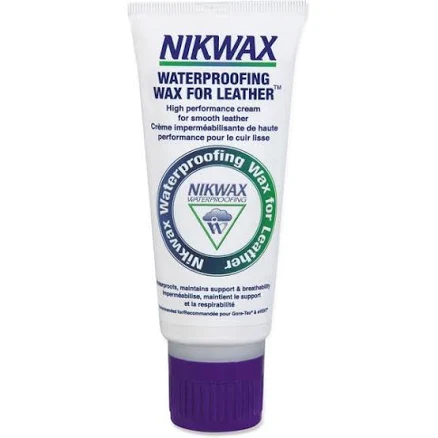
Nikwax
Waterproofing Wax for Leather
- wax-based waterproofing
- The brand calls it PFAS-free, which we have not verified
- Respiratory irritation or fume inhalation during application
2 hazards checked on this product. See all of them.
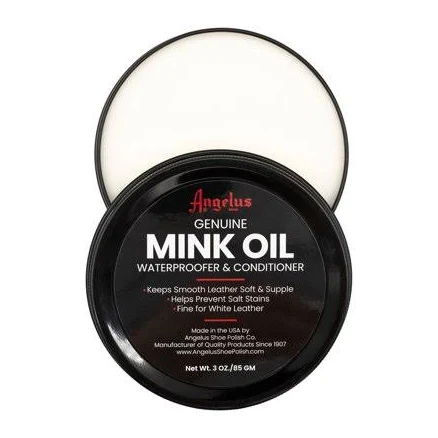
Angelus
Mink Oil Paste Leather Waterproofer and Contitioner 3 oz
- mink oil paste, natural oil-based conditioner
- We found no PFAS statement from the brand
- Microbial growth (natural oil rancidity)
2 hazards checked on this product. See all of them.
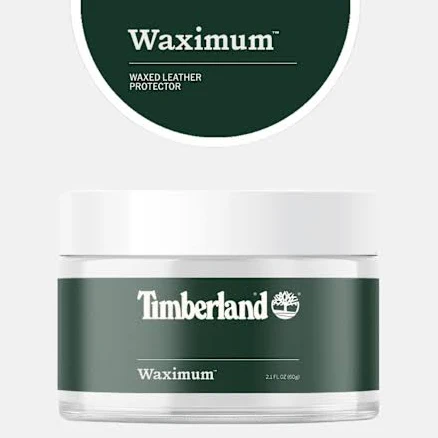
Timberland
Waximum Waxed Leather Protector
- Wax-based leather protector
- We found no PFAS statement from the brand
- Volatile organic compounds (VOCs) from solvents
3 hazards checked on this product. See all of them.
More fabric stain guard sprays grades
How we score, every product runs through the same public 0-100 rubric based on materials, coatings, brand disclosure, lab findings, and recalls. See the full methodology → Spotted a mistake? Report an error.