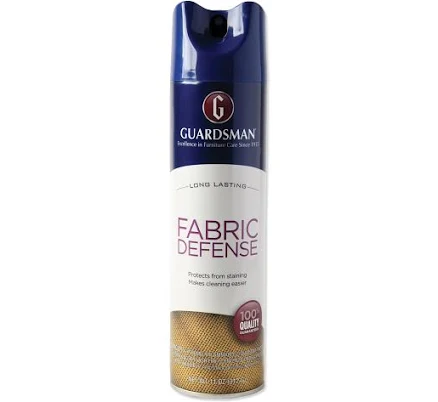
Guardsman · Fabric Stain Guard Sprays
Guardsman Fabric Defense & Upholstery Protector Blocks Stains and Repels Liquid
Avoid unless the maker discloses what coating it uses.
This fabric protector blocks stains and repels liquid through an unspecified coating. The maker provides no public statement on PFAS or chemistry, and such protectors often use fluorinated compounds.
Still want this one anyway? Check the price on Amazon. We’d swap it.
Material
Unknown liquid/stain repellent coating (likely fluorinated polymer)
Brand disclosure
Brand is silent on PFAS
Lab data
No public lab test
What Guardsman Fabric Defense & Upholstery is made of, ingredients and materials
Guardsman Fabric Defense is a liquid spray-on coating designed to repel water and oils from upholstery and textiles. The active ingredient is almost certainly a fluorinated polymer (C6 or C8 PFAS compound), which bonds to fabric fibers and creates a durable water and stain barrier. Guardsman does not publicly disclose the specific fluorochemical used or its chain length, making independent safety assessment difficult. Fluorinated coatings persist indefinitely in the environment and bioaccumulate; the trade-off for stain protection is chemical persistence in your home and potential systemic exposure.
What’s concerning
Category baseline
The starting point for this type of product, before anything specific to this product is counted.
Vague safety claims only
Uses vague language ("eco-friendly", "clean") without a specific PFAS statement.
Waterproof / stain-resistant treatment
Water-repellent coating treatments have historically used PFAS.
Inhalation of aerosolized Teflon-family coating during spray application
Spray-on application creates fine mist; no acute toxicity data published for Guardsman's specific formula, but Teflon-family coating nanoparticles can deposit in respiratory tract. Risk is minimized with adequate ventilation and avoidance of direct inhalation.
Dermal and oral contact from treated fabric (especially children/pets)
Fluorochemicals can leach or shed from treated fabrics over time, particularly if fabric is moistened or chewed. No specific migration data for this product is publicly available; risk is low but nonzero for households with young children or pets that mouth upholstery.
Aquatic and soil contamination after disposal or laundry runoff
PFAS from treated fabric will migrate to wastewater during washing and persist in municipal treatment systems and receiving waters. This is an environmental rather than direct consumer hazard, but reflects systemic burden of fluorinated protectors.
What’s reassuring
Volatile organic compound (VOC) emissions during and after application
Product ingredient list does not specify solvent type or VOC content; spray-on liquids typically contain hydrocarbons or alcohols as carriers. No documented off-gassing complaints for this specific product, but typical fluorochemical sprays may emit odor for 24-72 hours post-application.
Coating degradation and loss of efficacy over time
No documented durability issues reported; however, repeated washing, UV exposure, and thermal stress can degrade Teflon-family coating bonds. Product efficacy decline does not pose a direct safety hazard, but may lead to re-application and increased PFAS loading.
The full breakdown
The brand's record and disclosure
Guardsman is a heritage brand owned by SC Johnson and has not published ingredient transparency or PFAS phase-out commitments comparable to leading textile brands. The company does not list this product on EWG Skin Deep or similar transparency databases, and product safety data sheets do not identify the fluorochemical type or concentration. No major recalls specific to chemical hazards have been publicly documented for this product line. However, the silence on PFAS chemistry is notable in an era when competitors increasingly disclose fluorine-free alternatives.
How it compares in its category
Fluorinated fabric protectors like Guardsman are industry standard and generally more effective than water-based alternatives, but carry higher PFAS burden. Competitors include 3M Scotchgard (similar PFAS opacity), Folex (also fluorinated), and emerging fluorine-free brands like Ecos or plant-based enzyme sprays (lower efficacy, less persistence). Professional upholstery protectors applied at point of sale often use the same chemistry but in controlled industrial settings. Consumer spray-on versions pose higher inhalation and dermal contact risk due to DIY application.
If you buy it
Apply only in well-ventilated spaces to minimize inhalation of aerosolized Teflon-family coating particles; avoid spraying near children or pets during application. Allow 24-48 hours drying before contact; do not apply to wool, silk, or delicate fabrics without testing a hidden corner first. Reapply every 6-12 months depending on traffic and soiling; repeated applications accumulate PFAS loading on fabric. Once applied, washing the treated fabric will gradually reduce efficacy but does not remove accumulated fluorochemicals from the textile.
What we don’t know
- Basis
- Model estimate, 42% confidence, not a lab result
- Lab test
- None on record for this exact product
- Brand statement
- Guardsman has made none
Formulations change between production runs, so check the current label. How we grade.
Better-graded alternatives in Fabric Stain Guard Sprays
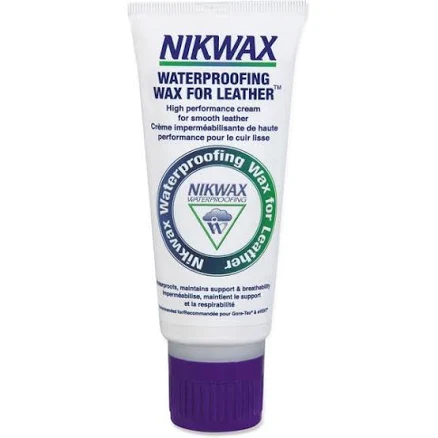
Nikwax
Waterproofing Wax for Leather
- wax-based waterproofing
- The brand calls it PFAS-free, which we have not verified
- Respiratory irritation or fume inhalation during application
2 hazards checked on this product. See all of them.
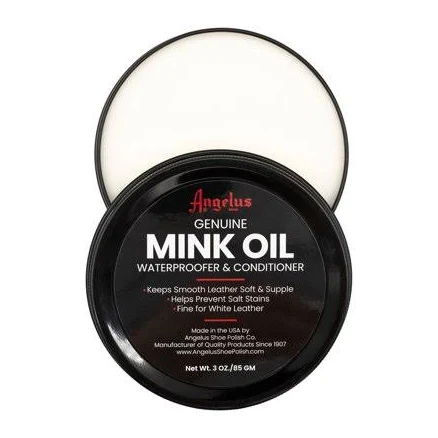
Angelus
Mink Oil Paste Leather Waterproofer and Contitioner 3 oz
- mink oil paste, natural oil-based conditioner
- We found no PFAS statement from the brand
- Microbial growth (natural oil rancidity)
2 hazards checked on this product. See all of them.
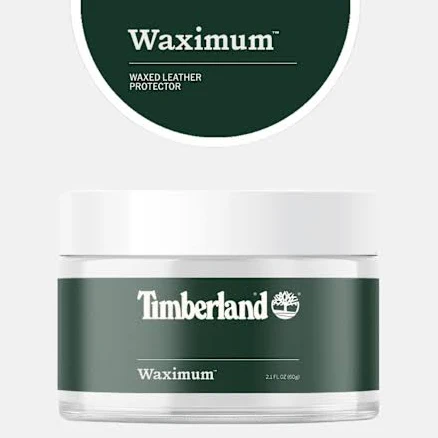
Timberland
Waximum Waxed Leather Protector
- Wax-based leather protector
- We found no PFAS statement from the brand
- Volatile organic compounds (VOCs) from solvents
3 hazards checked on this product. See all of them.
More fabric stain guard sprays grades
How we score, every product runs through the same public 0-100 rubric based on materials, coatings, brand disclosure, lab findings, and recalls. See the full methodology → Spotted a mistake? Report an error.