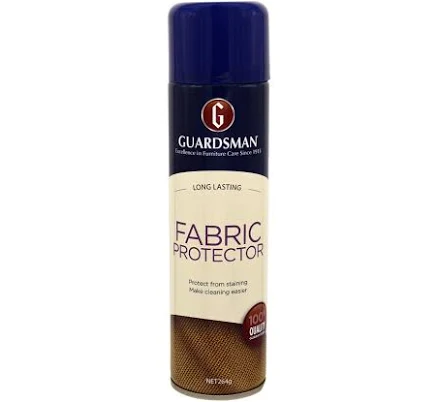
Guardsman · Fabric Stain Guard Sprays
Guardsman Fabric Protector Aerosol Spray by James Lane
Wait. Fabric protectors often rely on PFAS-based chemistry.
This aerosol fabric protector makes water and stain resistance claims but keeps its formula secret, and spray-applied treatments commonly use fluorinated repellents.
Still want this one anyway? Check the price on Amazon. We’d swap it.
Material
proprietary fabric treatment spray coating
Brand disclosure
Brand is silent on PFAS
Lab data
No public lab test
What Guardsman Fabric Protector Aerosol Spray is made of, ingredients and materials
Guardsman Fabric Protector is a proprietary aerosol formulation designed to create water and stain repellency on textiles. The exact chemical composition is not publicly detailed; fabric protectors in this category typically rely on fluorocarbon compounds (which often contain PFAS) or silicone-based chemistries to achieve repellency. The product is delivered as an aerosol, meaning inhalation exposure during application is a primary route of concern, and the propellant system adds additional volatiles to the spray profile.
What’s concerning
Category baseline
The starting point for this type of product, before anything specific to this product is counted.
Vague safety claims only
Uses vague language ("eco-friendly", "clean") without a specific PFAS statement.
Waterproof / stain-resistant treatment
Water-repellent coating treatments have historically used PFAS.
Volatile organic compounds (VOC) and inhalation risk
Aerosol delivery system inherently produces airborne spray and propellant vapors. Acute inhalation may cause respiratory irritation, headache, or dizziness; chronic exposure data in home settings is limited. Ventilation during and shortly after application is essential.
Undisclosed chemical composition
Guardsman lists only generic functional claims (water/stain repellent) without ingredient detail. This prevents independent hazard assessment of specific monomers, surfactants, or solvents and limits consumer choice based on ingredient sensitivity.
Residual coating on fabric
Once applied, the protective coating remains on fabric surfaces in contact with skin and potentially inhaled fibers over time. Long-term dermal or respiratory effects from repeated contact with treated textiles have not been rigorously studied in consumer settings.
Aerosol propellant toxicity
Modern aerosol propellants (typically hydrocarbons or compressed gases) are generally low-toxicity, but misuse (inhalant abuse) or high-exposure scenarios in poorly ventilated spaces carry risk of acute central nervous system or respiratory effects.
What’s reassuring
Allergenic or irritant fragrance or additives
No specific fragrance allergens or additive irritants have been identified for this product in available safety literature. However, proprietary formulas may include unlisted fragrance compounds that could trigger sensitivity in susceptible individuals.
The full breakdown
The brand's record and disclosure
Guardsman is a major fabric care brand owned by the Guardsman Products Company, with a long history in upholstery and textile treatments. The company has not publicly disclosed PFAS content in its fabric protector line or issued statements about PFAS reduction strategies. No major product recalls specific to this formulation are on record, but the brand's silence on composition and PFAS stance is notable and limits independent safety verification.
How it compares in its category
Most aerosol fabric protectors rely on similar fluorocarbon or silicone chemistries and carry comparable composition opacity. Alternatives include pump-spray or roll-on applicators (lower inhalation risk) and plant-derived or non-fluorinated protectants (lower PFAS likelihood, though less documented durability). Guardsman is mid-market in price and brand recognition but not differentiated by transparency or PFAS-free positioning.
If you buy it
Apply in well-ventilated spaces or outdoors; avoid inhalation of spray mist. Follow label dwell time and allow fabric to dry fully before contact. Do not apply to children's items or near food preparation areas. Test on hidden fabric areas first for discoloration. Replace protection every 12-18 months depending on use and cleaning frequency, as protectant durability declines.
What we don’t know
- Basis
- Model estimate, 35% confidence, not a lab result
- Lab test
- None on record for this exact product
- Brand statement
- Guardsman has made none
Formulations change between production runs, so check the current label. How we grade.
Better-graded alternatives in Fabric Stain Guard Sprays
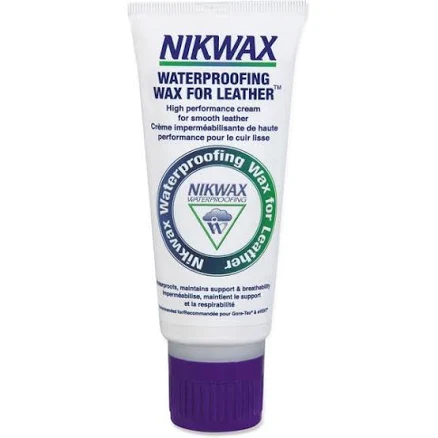
Nikwax
Waterproofing Wax for Leather
- wax-based waterproofing
- The brand calls it PFAS-free, which we have not verified
- Respiratory irritation or fume inhalation during application
2 hazards checked on this product. See all of them.
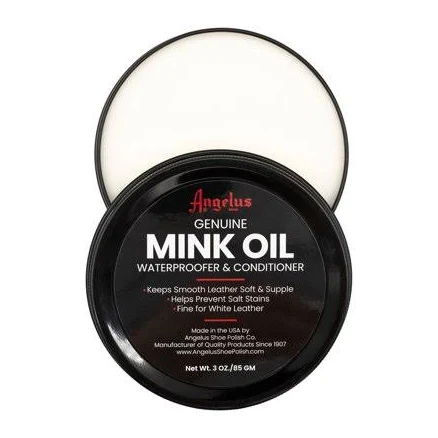
Angelus
Mink Oil Paste Leather Waterproofer and Contitioner 3 oz
- mink oil paste, natural oil-based conditioner
- We found no PFAS statement from the brand
- Microbial growth (natural oil rancidity)
2 hazards checked on this product. See all of them.
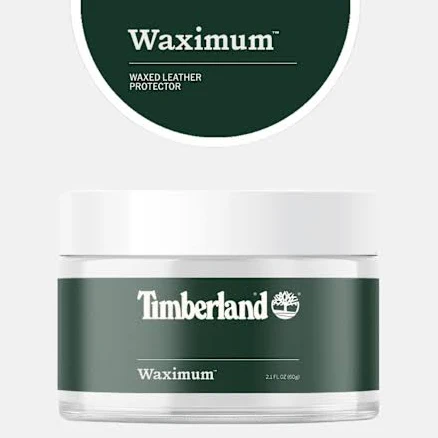
Timberland
Waximum Waxed Leather Protector
- Wax-based leather protector
- We found no PFAS statement from the brand
- Volatile organic compounds (VOCs) from solvents
3 hazards checked on this product. See all of them.
More fabric stain guard sprays grades
How we score, every product runs through the same public 0-100 rubric based on materials, coatings, brand disclosure, lab findings, and recalls. See the full methodology → Spotted a mistake? Report an error.