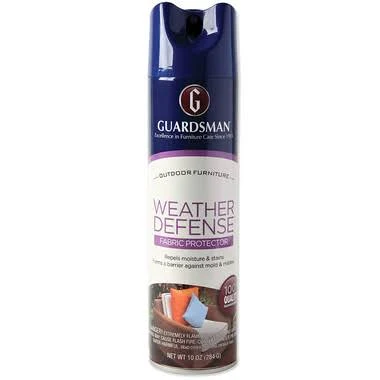
Guardsman · Fabric Stain Guard Sprays
Guardsman Weather Defense Fabric Protector 10 oz
Avoid until the maker improves ingredient transparency.
This water and stain-repellent spray has undisclosed coating chemistry and no public PFAS statement from the brand. Fabric protectors historically used fluorinated compounds, and no third-party testing exists.
Still want this one anyway? Check the price on Amazon. We’d swap it.
Material
Proprietary fabric protector spray coating (unspecified chemistry)
Brand disclosure
Brand is silent on PFAS
Lab data
No public lab test
What Guardsman Weather Defense Fabric is made of, ingredients and materials
Guardsman Weather Defense is a proprietary spray-on fabric coating designed to repel water and oil stains. The manufacturer does not publicly disclose the active repellent chemistry, making it impossible to assess whether it relies on PFAS-based fluorocarbons (common in fabric protectors) or newer alternatives. This opacity is the core safety concern, you cannot verify what you are applying to textiles that contact skin, furniture you sit on, or items near food preparation areas.
What’s concerning
Category baseline
The starting point for this type of product, before anything specific to this product is counted.
Vague safety claims only
Uses vague language ("eco-friendly", "clean") without a specific PFAS statement.
Waterproof / stain-resistant treatment
Water-repellent coating treatments have historically used PFAS.
Inhalation of spray propellant and volatile organic compounds (VOCs)
Aerosol fabric protectors release fine mist and solvent vapors during application. Without ingredient disclosure, the specific VOC load and health impact cannot be assessed; typical formulations include aliphatic hydrocarbons or alcohols that warrant ventilation.
Skin and eye irritation from direct spray contact
Fabric protector sprays can irritate mucous membranes and skin on contact. No consumer safety warnings are prominently displayed on widely available product images, and the absence of disclosed surfactants or irritants makes risk assessment incomplete.
Off-gassing and odor persistence after application
User reviews on retail sites consistently mention strong chemical odor that lingers for hours to days after application, suggesting volatile residues; implications for air quality in small or poorly ventilated spaces (nurseries, bedrooms) are not addressed by the manufacturer.
PFAS
Because Guardsman does not disclose whether the repellent is fluorocarbon-based, it cannot be ruled out that this product contains persistent PFAS. If it does, the coating will slowly degrade on fabrics, shedding micro-particles and PFAS residues into wash water and household dust.
Source, ATSDR ↗What’s reassuring
Interaction with fabric dyes and coatings
No documented cases of color shift, dye bleeding, or damage to specialty fabrics are on public record for this specific product, but the undisclosed chemistry means compatibility with all fabric types cannot be verified.
The full breakdown
The brand's record and disclosure
Guardsman has not published ingredient lists, safety data sheets accessible to consumers, or statements on PFAS avoidance. The brand is owned by SC Johnson, a major household products manufacturer with mixed environmental transparency records. No public recalls or safety alerts are documented for this product, but the lack of proactive ingredient communication is a red flag in an industry where competitors are increasingly disclosing lower-concern formulations.
How it compares in its category
Fabric protector sprays fall into two camps, legacy fluorocarbon-based (often PFAS-heavy, highly effective but persistent) and newer silicone or hydrocarbon alternatives (less durable but lower hazard profiles). Guardsman does not declare which camp it occupies. Competitors like Scotchgard have begun phasing PFAS, while smaller brands market PFAS-free options; the lack of clarity from Guardsman suggests it may still rely on conventional chemistry.
If you buy it
Apply only in well-ventilated spaces, never indoors without open windows; spray mist can be inhaled. Test on a hidden corner first to confirm no discoloration. Reapplication is typically needed every 6-12 months depending on use and laundering. Consider whether the stain protection benefit justifies application of a product whose chemical composition the maker refuses to disclose; spot-treating with targeted stain removers avoids routine chemical exposure.
What we don’t know
- Basis
- Model estimate, 35% confidence, not a lab result
- Lab test
- None on record for this exact product
- Brand statement
- Guardsman has made none
Formulations change between production runs, so check the current label. How we grade.
Better-graded alternatives in Fabric Stain Guard Sprays
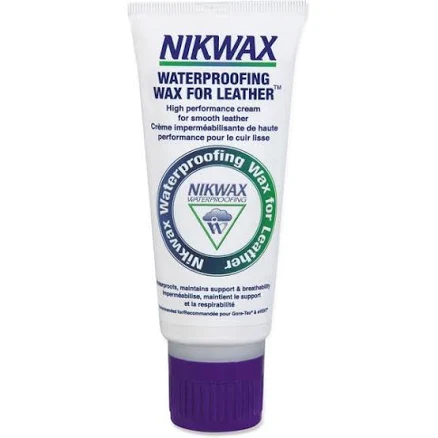
Nikwax
Waterproofing Wax for Leather
- wax-based waterproofing
- The brand calls it PFAS-free, which we have not verified
- Respiratory irritation or fume inhalation during application
2 hazards checked on this product. See all of them.
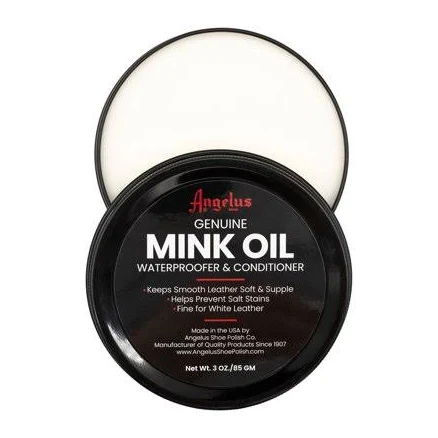
Angelus
Mink Oil Paste Leather Waterproofer and Contitioner 3 oz
- mink oil paste, natural oil-based conditioner
- We found no PFAS statement from the brand
- Microbial growth (natural oil rancidity)
2 hazards checked on this product. See all of them.
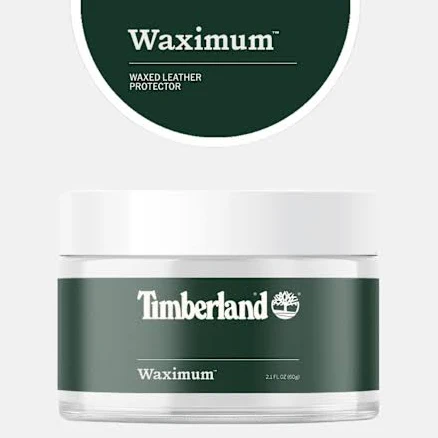
Timberland
Waximum Waxed Leather Protector
- Wax-based leather protector
- We found no PFAS statement from the brand
- Volatile organic compounds (VOCs) from solvents
3 hazards checked on this product. See all of them.
More fabric stain guard sprays grades
How we score, every product runs through the same public 0-100 rubric based on materials, coatings, brand disclosure, lab findings, and recalls. See the full methodology → Spotted a mistake? Report an error.