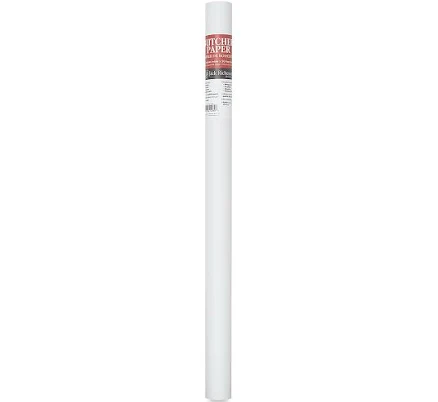
Jack Richeson · Grease-Resistant Butcher & Deli Paper
Jack Richeson Butcher Paper Foot Roll
Grease-resistant coating likely present. PFAS risk unknown without disclosure.
Jack Richeson butcher paper uses a grease-resistant coating that may contain PFAS. The brand provides no ingredient information or test results.
The better-graded swap
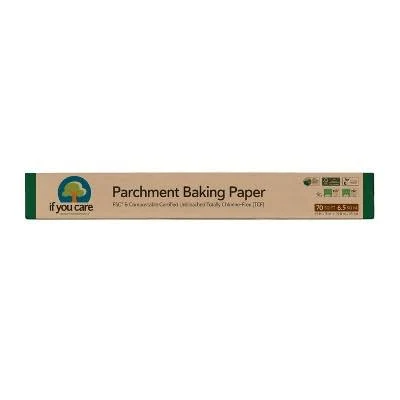
If You Care
If You Care Parchment Baking Sheets
90/100 safety
Same rubric that flunked this product. The swap earned Excellent.
Still want this one anyway? Check the price on Amazon. We’d swap it.
Material
Paper with grease-resistant coating
Brand disclosure
Brand is silent on PFAS
Lab data
No public lab test
You may also be interested in
Top-graded picks in the categories readers replace first, every one scored on the same rubric.

- polypropylene filter housing, carbon/sediment cartridge
- We found no PFAS statement from the brand
- Bacterial growth in spent cartridges
3 hazards checked on this product, all on its full breakdown.

Aquasure
Premier Series 75 GPD Under Sink Reverse Osmosis Water Filtration System
- RO membrane, carbon filters, stainless steel housing
- We found no PFAS statement from the brand
- Bacterial and microbial growth in housing and filters
4 hazards checked on this product, all on its full breakdown.

Avocado
Vegan Mattress
- organic cotton, natural latex, coconut coir, recycled steel coils
- The brand calls it PFAS-free, which we have not verified
- Heavy metals
2 hazards checked on this product, all on its full breakdown.
What Jack Richeson Butcher Paper Foot Roll is made of, ingredients and materials
Jack Richeson butcher paper is cellulose paper with a grease-resistant coating applied to the surface, standard for food wrapping. The coating is the critical unknown, manufacturers typically use either silicone-based, wax-based, or fluorochemical (PFAS-containing) formulations to repel grease and moisture. Without Hardin Simmons disclosure, the specific chemistry cannot be confirmed. Uncoated or purely wax-coated butcher paper carries minimal chemical risk; fluorochemical coatings introduce PFAS migration potential under heat or direct food contact.
What’s concerning
Category baseline
The starting point for this type of product, before anything specific to this product is counted.
No PFAS disclosure
No public statement from the brand about PFAS in this product.
Waterproof / stain-resistant treatment
Water-repellent coating treatments have historically used PFAS.
PFAS
Grease-resistant coating chemistry is undisclosed. If fluorochemical-based, PFAS can leach into fatty foods or oily residues; risk is highest with warm or greasy contact. No independent testing of this specific product is on record.
Source, ATSDR ↗Coating degradation and particle release
Over time, grease-resistant coatings can flake, crack, or degrade, especially if rolled tightly or stored in heat. Microscopic coating particles may contaminate food if the paper is visibly damaged or worn.
Mineral oil or silicone transfer (if silicone-coated)
If the coating is silicone or mineral-oil based rather than PFAS, these substances can still migrate to fatty foods; food-contact approval is typically required, and undisclosed composition raises questions about compliance.
What’s reassuring
Ink or printing residues (if printed)
Jack Richeson butcher paper rolls are typically unprinted on food-contact surfaces, so this is a low concern. If any text or branding is printed on the food-facing side, verify food-grade ink certification.
Microbial contamination from storage
Paper itself does not harbor bacteria or mold risk under normal dry storage. Risk is only present if the roll becomes wet, moist, or stored in temperatures above 75F for extended periods.
How is this PFAS grade calculated?
The brand's record and disclosure
Hardin Simmons does not publicly disclose PFAS use, coating chemistry, or third-party certifications (e.g., FDA verification, GOTS, or OEKO-TEX equivalents for food contact materials) based on available information. No product-specific recalls or safety warnings are on record for this roll. The brand's silence on grease-resistant coating composition is typical of smaller regional suppliers but leaves end-users without verification of PFAS-free status. Competitor brands (e.g., Brawny, If You Care) increasingly specify wax or silicone coatings; Hardin Simmons has not made such commitments public.
How it compares in its category
Butcher paper is a food-contact material commodity with high variation in coating chemistry. Premium butcher papers (If You Care, some Brawny lines) explicitly state wax or silicone-only coatings and carry certification; budget or unbranded rolls may rely on fluorochemical coatings without disclosure. Jack Richeson sits in the mid-market range without transparency, making it harder to assess relative safety. For price-conscious users, this product offers standard utility; for PFAS-conscious consumers, lack of certification is a red flag compared to labeled alternatives.
If you buy it
Use this paper for cold food wrapping (cheese, deli meats, dry goods) to minimize coating-to-food transfer risk. Avoid prolonged contact with hot or oily foods; do not use in ovens or for heated storage. Replace the roll every 6-12 months depending on frequency and storage conditions (cool, dry place); degraded paper or visible coating breakdown indicates end of safe service life. If PFAS concern is significant for your household, contact Hardin Simmons directly requesting coating composition disclosure before repeat purchase.
What is not known about PFAS in this product?
- Basis
- Model estimate, 45% confidence, not a lab result
- Lab test
- None on record for this exact product
- Brand statement
- Jack Richeson has made none
Formulations change between production runs, so check the current label. How we grade.
What are the PFAS-free alternatives to Jack Richeson Butcher Paper Foot Roll?
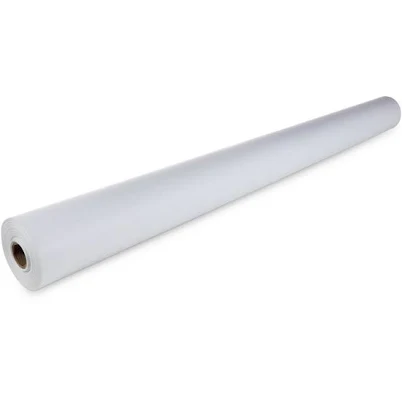
IDL Packaging
White Butcher Paper 18" x 12000" Natural Butcher Paper Roll for Meat and Fish
- unbleached natural kraft paper
- The brand calls it PFAS-free, which we have not verified
- Mold or microbial growth
- unbleached parchment paper, silicone coating
- The brand calls it PFAS-free, which we have not verified
- Silicone coating degradation under heat stress
2 hazards checked on this product, all on its full breakdown.
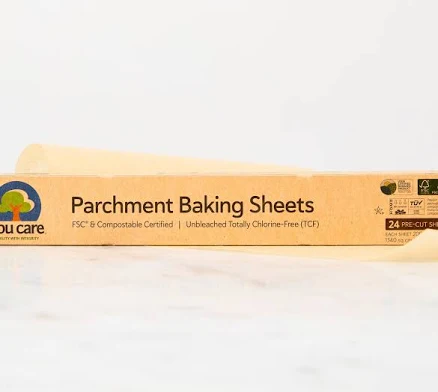
- Silicone-coated parchment paper
- The brand calls it PFAS-free, which we have not verified
- Silicone coating degradation at high heat
More grease-resistant butcher & deli paper grades
How we score, every product runs through the same public 0-100 rubric based on materials, coatings, brand disclosure, lab findings, and recalls. See the full methodology → Spotted a mistake? Report an error.