Harry's Deodorant & Antiperspirant
Lower concern. No known PFAS use in typical powder deodorant formulations.
Harry's deodorant is a powder-based stick product with no disclosed water-resistant or grease-resistant coatings. Standard mineral and starch deodorants carry lower PFAS risk than aqueous or heavily treated formats.
We flunk more products than we pass. This one earned its grade. How we grade
Material
talc, starch, mineral powders in stick form
Brand disclosure
Brand is silent on PFAS
Lab data
No public lab test
You may also be interested in
Top-graded picks in the categories readers replace first, every one scored on the same rubric.

- polypropylene filter housing, carbon/sediment cartridge
- We found no PFAS statement from the brand
- Bacterial growth in spent cartridges
3 hazards checked on this product, all on its full breakdown.

Aquasure
Premier Series 75 GPD Under Sink Reverse Osmosis Water Filtration System
- RO membrane, carbon filters, stainless steel housing
- We found no PFAS statement from the brand
- Bacterial and microbial growth in housing and filters
4 hazards checked on this product, all on its full breakdown.

Avocado
Vegan Mattress
- organic cotton, natural latex, coconut coir, recycled steel coils
- The brand calls it PFAS-free, which we have not verified
- Heavy metals
2 hazards checked on this product, all on its full breakdown.
What Harry's Deodorant & Antiperspirant is made of, ingredients and materials
Harry's deodorant is a talc-based stick formulation combined with starch and mineral powders. Talc is a naturally occurring magnesium silicate mineral that absorbs moisture and odor; the concern centers on whether talc ore deposits contain asbestos contamination during mining and processing. Starch and mineral powders (likely mica, silica derivatives) serve as flow agents and absorbents. The formulation is anhydrous (no water), so microbial contamination risk is lower than in cream or liquid formats.
What’s concerning
Category baseline
The starting point for this type of product, before anything specific to this product is counted.
No PFAS disclosure
No public statement from the brand about PFAS in this product.
Talc and asbestos contamination
Talc ore can harbor asbestos depending on mining location and processing standards. Harry's has not published testing data, sourcing geography, or asbestos-free certification, leaving contamination risk unverified for this specific product.
Fragrance allergens and undisclosed components
Deodorants commonly include fragrance blends that may trigger contact dermatitis in sensitive individuals. Harry's does not itemize fragrance components; full ingredient transparency would allow personalized allergy screening.
Inhalation risk from powder aerosol
Powder deodorants create inhalable particulates; chronic inhalation of talc or mineral dust is associated with respiratory concerns. Risk is low during normal application but increases with frequent, forceful use in unventilated spaces.
What’s reassuring
Base material not linked to PFAS
The main material recorded for this product is not one associated with PFAS.
Formaldehyde / VOCs
No formaldehyde-releasing preservatives (e.g., DMDM hydantoin, diazolidinyl urea) are documented in Harry's ingredient list; powder deodorants typically rely on low water content for preservation rather than chemical releasers.
Source, ATSDR ↗Heavy metals
No lead, cadmium, or chromium contamination is on record for Harry's deodorant or its stated mineral powder components. Regulatory limits on cosmetic mineral purity generally apply.
Source, FDA ↗How is this PFAS grade calculated?
The brand's record and disclosure
Harry's has published no talc sourcing statement, third-party testing documentation, or asbestos-free certification on record. The brand maintains a general sustainability and transparency position but has not addressed the specific talc-purity question that consumers frequently raise. No recalls or regulatory actions specific to Harry's deodorant are documented. The company's silence on this point is notable given decades of public litigation and concern about talc products.
How it compares in its category
Talc-based deodorants remain common; many competitors (Old Spice, Gillette, generic store brands) use identical or similar formulations without enhanced disclosure. Talc-free alternatives using arrowroot, corn starch, or synthetic polymers are available but often at higher cost or with trade-offs in performance. Harry's pricing and formula position it as a mainstream option rather than a premium or specialized product. No known advantage or disadvantage versus typical mass-market antiperspirant powders.
If you buy it
Store in a cool, dry place away from humidity to prevent caking and bacterial growth. Do not apply to broken skin, cuts, or areas of irritation. Avoid inhalation of powder during application, especially if using in confined spaces; use restraint when shaking or tapping the stick. Replace if the stick develops visible mold, discoloration, or odor changes. Pregnant people and those with a family history of ovarian cancer should consult a healthcare provider before routine use.
What is not known about PFAS in this product?
- Basis
- Model estimate, 72% confidence, not a lab result
- Lab test
- None on record for this exact product
- Brand statement
- Harry's has made none
Formulations change between production runs, so check the current label. How we grade.
What are the PFAS-free alternatives to Harry's Deodorant & Antiperspirant?
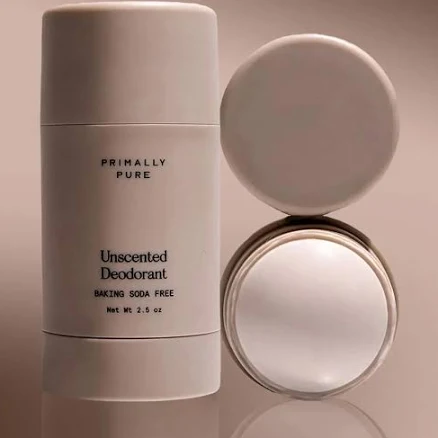
- mineral-based powder blend (arrowroot, magnesium hydroxide, mica)
- We found no PFAS statement from the brand
- Skin irritation from magnesium hydroxide alkalinity
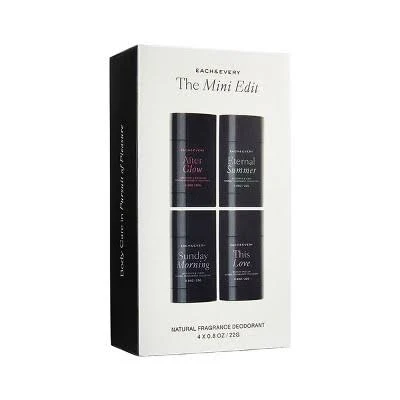
- cosmetic formulations, primary ingredients listed
- A third party reports verifying it as PFAS-free
- Fragrance allergens (natural essential oils)
2 hazards checked on this product, all on its full breakdown.
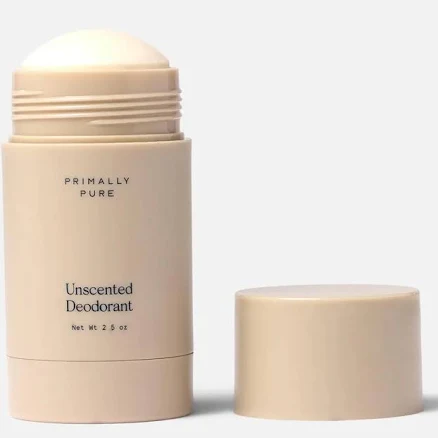
- natural mineral powders, plant-based actives, beeswax
- We found no PFAS statement from the brand
- Beeswax purity and contamination
2 hazards checked on this product, all on its full breakdown.
More deodorant grades
How we score, every product runs through the same public 0-100 rubric based on materials, coatings, brand disclosure, lab findings, and recalls. See the full methodology → Spotted a mistake? Report an error.