Harry's Odor Control Deodorant Stick, Stone, 2.5 OZ
Typical deodorant stick with no known PFAS risk signals.
Harry's deodorant sticks use standard cosmetic wax and powder blends without disclosed water-repellent or nonstick coatings. No public lab data or PFAS claims available; lower concern than treated apparel or cookware.
We flunk more products than we pass. This one earned its grade. How we grade
Material
wax, oils, talc, starch blend (typical stick deodorant composition)
Brand disclosure
Brand is silent on PFAS
Lab data
No public lab test
You may also be interested in
Top-graded picks in the categories readers replace first, every one scored on the same rubric.

- polypropylene filter housing, carbon/sediment cartridge
- We found no PFAS statement from the brand
- Bacterial growth in spent cartridges
3 hazards checked on this product, all on its full breakdown.

Aquasure
Premier Series 75 GPD Under Sink Reverse Osmosis Water Filtration System
- RO membrane, carbon filters, stainless steel housing
- We found no PFAS statement from the brand
- Bacterial and microbial growth in housing and filters
4 hazards checked on this product, all on its full breakdown.

Avocado
Vegan Mattress
- organic cotton, natural latex, coconut coir, recycled steel coils
- The brand calls it PFAS-free, which we have not verified
- Heavy metals
2 hazards checked on this product, all on its full breakdown.
What Harry's Odor Control Stick, Stone, is made of, ingredients and materials
Harry's Odor Control Stick is a wax-oil-talc-starch blend, the standard architecture for solid deodorants. Talc is the primary concern in this class, while cosmetic-grade talc in the US is regulated for asbestos absence, inhalation exposure during application remains debated in epidemiology, though dermal contact from stick application carries minimal absorption risk. Waxes and plant oils (common in Harry's formulations) are occlusive and low-toxicity; starch is inert filler.
What’s concerning
Category baseline
The starting point for this type of product, before anything specific to this product is counted.
No PFAS disclosure
No public statement from the brand about PFAS in this product.
Talc inhalation exposure
Talc is a known respiratory irritant if inhaled in powder form during application. Consumer-grade use (topical stick application) poses inhalation risk mainly during application motion; risk is reduced if applied to skin without generating airborne dust. No recall history for this product on this basis.
What’s reassuring
Base material not linked to PFAS
The main material recorded for this product is not one associated with PFAS.
Talc contamination (asbestos legacy)
US cosmetic talc has been regulated for asbestos absence since 1973. No asbestos contamination has been reported in Harry's products or this deodorant line; regulatory testing is ongoing but historical contamination in cosmetics is not documented post-regulation.
Fragrance allergens
This product is unscented (Stone variant suggests mineral, non-fragrance base). No documented fragrance allergen triggers (e.g., limonene, linalool) are on record for this line; risk is minimal if labeling is accurate.
Heavy metals
Deodorants typically use inert colorants (iron oxides for grey-brown 'stone' appearance). These are not absorbed through skin at cosmetic concentrations and no recalls are documented for Harry's deodorants on this basis.
Source, FDA ↗Formaldehyde / VOCs
Wax-oil-talc sticks are self-preserving (low water content inhibits microbial growth). No formaldehyde-releasing preservatives or methylisothiazolinone have been reported in this product line; standard preservative load is minimal or absent.
Source, ATSDR ↗How is this PFAS grade calculated?
The brand's record and disclosure
Harry's does not publicly disclose full ingredient safety testing or third-party certifications (e.g., EWG, Leaping Bunny). The brand has not faced major recalls or safety actions on deodorants. Harry's maintains a direct-to-consumer model with limited ingredient transparency beyond label compliance; no independent toxicology claims are made on packaging.
How it compares in its category
This product sits in the mainstream stick deodorant category, materially identical to mass-market alternatives from Degree, Old Spice, and drugstore generics in wax-talc composition. It avoids aluminum salts (antiperspirant) and is free of fragrance allergens listed by IFRA or EU regulations based on available labeling. Talc-based sticks remain more common than starch-only or clay alternatives; this product does not differentiate on material safety.
If you buy it
Store below 25°C to prevent wax softening and uneven application. Do not inhale powder directly during application; apply to skin and allow to set. Replace when deodorant is depleted or begins to crumble (typically 2-3 months of daily use). If you have a history of talc sensitivities or respiratory concerns, consider talc-free alternatives (starch, clay, or cream-based).
What is not known about PFAS in this product?
- Basis
- Model estimate, 72% confidence, not a lab result
- Lab test
- None on record for this exact product
- Brand statement
- Harry's has made none
Formulations change between production runs, so check the current label. How we grade.
What are the PFAS-free alternatives to Harry's Odor Control Deodorant Stick, Stone, 2.5 OZ?
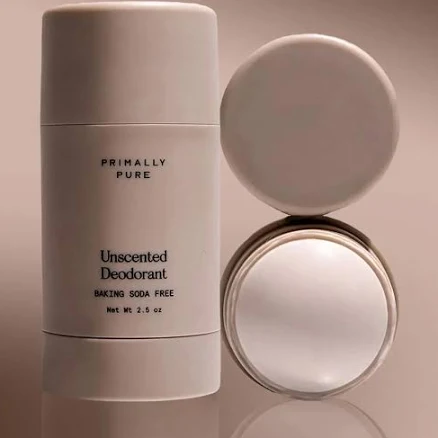
- mineral-based powder blend (arrowroot, magnesium hydroxide, mica)
- We found no PFAS statement from the brand
- Skin irritation from magnesium hydroxide alkalinity
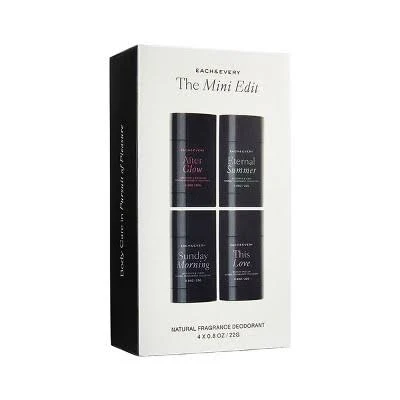
- cosmetic formulations, primary ingredients listed
- A third party reports verifying it as PFAS-free
- Fragrance allergens (natural essential oils)
2 hazards checked on this product, all on its full breakdown.
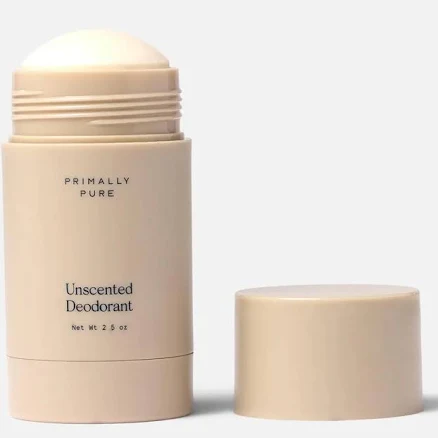
- natural mineral powders, plant-based actives, beeswax
- We found no PFAS statement from the brand
- Beeswax purity and contamination
2 hazards checked on this product, all on its full breakdown.
More deodorant grades
How we score, every product runs through the same public 0-100 rubric based on materials, coatings, brand disclosure, lab findings, and recalls. See the full methodology → Spotted a mistake? Report an error.