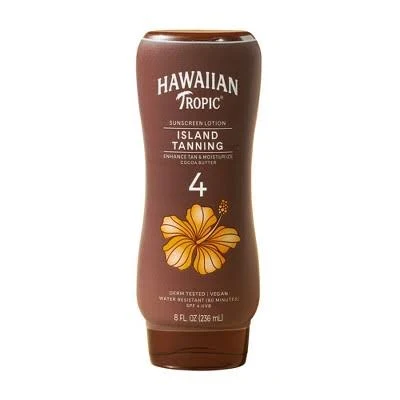
Hawaiian Tropic Tanning Lotion SPF 4
Lower concern; typical tanning lotion shows no structural reason for PFAS.
This standard tanning lotion lacks advertised waterproofing or water-resistance, the main drivers of PFAS in cosmetics. No PFAS disclosure exists, but standard formulas rarely contain PFAS.
We flunk more products than we pass. This one earned its grade. How we grade
Material
Oil-in-water emulsion lotion (typical, glycerin, cetyl alcohol, mineral oil, fragrance, UV filters)
Brand disclosure
Brand is silent on PFAS
Lab data
No public lab test
You may also be interested in
Top-graded picks in the categories readers replace first, every one scored on the same rubric.

- polypropylene filter housing, carbon/sediment cartridge
- We found no PFAS statement from the brand
- Bacterial growth in spent cartridges
3 hazards checked on this product, all on its full breakdown.

Aquasure
Premier Series 75 GPD Under Sink Reverse Osmosis Water Filtration System
- RO membrane, carbon filters, stainless steel housing
- We found no PFAS statement from the brand
- Bacterial and microbial growth in housing and filters
4 hazards checked on this product, all on its full breakdown.

Avocado
Vegan Mattress
- organic cotton, natural latex, coconut coir, recycled steel coils
- The brand calls it PFAS-free, which we have not verified
- Heavy metals
2 hazards checked on this product, all on its full breakdown.
What Hawaiian Tropic Tanning Lotion SPF 4 is made of, ingredients and materials
Hawaiian Tropic SPF 4 is an oil-in-water emulsion lotion, a common format combining mineral oil, glycerin, cetyl alcohol, and UV-absorbing chemical filters (likely oxybenzone and/or octinoxate based on SPF 4 profile and era of product). The lotion is designed to remain on skin; it does not require heating and poses minimal risk of volatile emissions during normal use. The formulation is water-resistant but not water-proof, so reapplication after swimming is needed.
What’s concerning
Category baseline
The starting point for this type of product, before anything specific to this product is counted.
No PFAS disclosure
No public statement from the brand about PFAS in this product.
Endocrine disruptors
Oxybenzone and octinoxate (likely ingredients in SPF 4 formulas) are absorbed through skin and have been studied for weak estrogenic activity in animal models. The FDA still permits these filters; human risk at consumer application rates is debated. Pregnant women or those concerned about endocrine disruption may prefer mineral (non-absorbing) sunscreens.
Source, NIEHS ↗Fragrance allergens
Hawaiian Tropic products are heavily fragranced (signature tropical scent). Fragrance is a common contact allergen and sensitizer, particularly in tanning lotions. Individuals with sensitive skin or fragrance intolerance should perform a patch test on a small area before full-body application.
Mineral oil dermal occlusion
Mineral oil in tanning lotions creates a film on skin that can trap moisture and heat. In very warm conditions or for prolonged wear, this may increase risk of folliculitis or heat rash, especially if the skin is not rinsed clean after use. This is a minor concern for typical intermittent sunscreen use.
Photostability and UVA protection gaps
SPF 4 sunscreens typically offer limited UVA protection and may degrade under intense sun. The product does not claim broad-spectrum protection in older formulations. Users may experience accelerated sun damage or burning despite application if UVA filters are weak or absent.
What’s reassuring
Base material not linked to PFAS
The main material recorded for this product is not one associated with PFAS.
Heavy metals
No talc or colored pigments are typical ingredients in tanning lotions of this type. Heavy metal contamination in UV filter actives is not documented for major sunscreen brands under FDA oversight.
Source, FDA ↗How is this PFAS grade calculated?
The brand's record and disclosure
Hawaiian Tropic is owned by Edgewell Personal Care and does not publicly disclose detailed ingredient sourcing, PFAS content, or independent safety testing results beyond regulatory compliance (FDA sunscreen monograph). The brand has no documented recalls, serious safety violations, or formal certifications (e.g., EWG Verified, reef-safe). It operates under standard FDA sunscreen regulations but does not pursue third-party transparency.
How it compares in its category
SPF 4 is a low protection level; most modern dermatologists recommend SPF 30 minimum. Compared to mineral (zinc oxide/titanium dioxide) sunscreens, chemical sunscreens like this one absorb into skin faster and are less visible but carry a slightly higher profile for allergen and endocrine-active compound concerns. In the budget tanning lotion category, Hawaiian Tropic is a mainstream product with typical formulation choices and no standout safety advantage or disadvantage.
If you buy it
Apply generously and reapply every 2 hours or after water exposure; low SPF means you will tan and burn faster than higher SPF products, so sun time should be short. Store in a cool, dry place away from direct heat to prevent emulsion separation. Do not use on infants or very young children; consult a dermatologist if you have sensitive skin or history of sunscreen reactions. Consider upgrading to SPF 30+ for long outdoor exposure.
What is not known about PFAS in this product?
- Basis
- Model estimate, 73% confidence, not a lab result
- Lab test
- None on record for this exact product
- Brand statement
- Hawaiian Tropic has made none
Formulations change between production runs, so check the current label. How we grade.
What are the PFAS-free alternatives to Hawaiian Tropic Tanning Lotion SPF 4?
- Mineral sunscreen, zinc oxide base
- A third party reports verifying it as PFAS-free
- 1,4-dioxane (non-intentional contaminant from surfactants/emulsifiers)
2 hazards checked on this product, all on its full breakdown.
- mineral sunscreen (zinc oxide or titanium dioxide base)
- The brand calls it PFAS-free, which we have not verified
- Synthetic fragrance allergens
More sunscreen grades
How we score, every product runs through the same public 0-100 rubric based on materials, coatings, brand disclosure, lab findings, and recalls. See the full methodology → Spotted a mistake? Report an error.