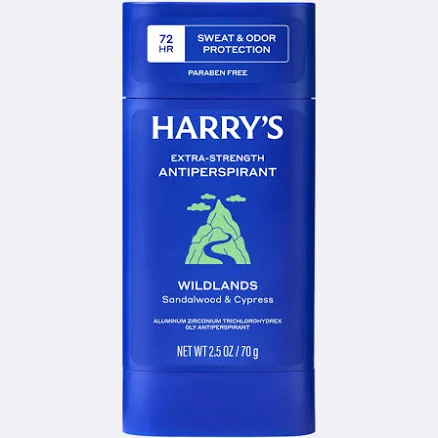
Odor Control Deodorant Odor & Enhanced Sweat sticks
Lower concern stick deodorant but brand offers no public PFAS transparency.
Stick deodorants rarely use PFAS unlike grease-resistant packaging or water-resistant coatings. Brand remains silent on PFAS or ingredient sourcing.
We flunk more products than we pass. This one earned its grade. How we grade
Material
stick deodorant wax/starch base (typical formulation)
Brand disclosure
Brand is silent on PFAS
Lab data
No public lab test
You may also be interested in
Top-graded picks in the categories readers replace first, every one scored on the same rubric.

- polypropylene filter housing, carbon/sediment cartridge
- We found no PFAS statement from the brand
- Bacterial growth in spent cartridges
3 hazards checked on this product, all on its full breakdown.

Aquasure
Premier Series 75 GPD Under Sink Reverse Osmosis Water Filtration System
- RO membrane, carbon filters, stainless steel housing
- We found no PFAS statement from the brand
- Bacterial and microbial growth in housing and filters
4 hazards checked on this product, all on its full breakdown.

Avocado
Vegan Mattress
- organic cotton, natural latex, coconut coir, recycled steel coils
- The brand calls it PFAS-free, which we have not verified
- Heavy metals
2 hazards checked on this product, all on its full breakdown.
What Odor Control Deodorant Odor Sweat sticks is made of, ingredients and materials
The brand's stick deodorant uses a wax and starch base, a formulation type with lower concern for topical antiperspirant products. This solid matrix avoids liquid carriers like glycerin or propylene glycol that can enhance skin penetration of active ingredients. Wax-starch sticks typically contain aluminum chlorohydrate or similar as the active antiperspirant agent, applied in lower concentrations than spray or roll-on formats due to slower release kinetics. The stick form itself minimizes inhalation risk compared to powders or aerosols.
What’s concerning
Category baseline
The starting point for this type of product, before anything specific to this product is counted.
No PFAS disclosure
No public statement from the brand about PFAS in this product.
Aluminum in antiperspirant active
Aluminum chlorohydrate is the likely active agent in this formulation. Dermal absorption through intact skin is minimal (less than 0.1%), but long-term systemic accumulation in repeated users remains a low-probability theoretical concern; no epidemiological link to disease has been established in major studies, though the issue remains scientifically unresettled.
Fragrance allergens
Product name mentions 'odor control,' suggesting fragrance masking agents are likely present. Stick deodorants typically use synthetic fragrance blends that may contain unlisted allergens (cinnamal, limonene, eugenol) per EU regulations; risk is individualized and dermatitis is the primary concern, not systemic toxicity.
Skin sensitization from wax or starch base
Carnauba wax and cornstarch are low-risk, plant-derived materials, but individual contact sensitivity can occur with any topical product, especially with daily occlusive application to a warm, moist body site; this is rare and reversible.
What’s reassuring
Base material not linked to PFAS
The main material recorded for this product is not one associated with PFAS.
Formaldehyde / VOCs
No public formulation data identifies formaldehyde donors (DMDM hydantoin, diazolidinyl urea) in products. Wax-starch sticks rarely require antimicrobial preservatives at the concentrations used in liquid formats, reducing this hazard class substantially.
Source, ATSDR ↗Heavy metals
No reports of lead, cadmium, or arsenic contamination in stick deodorant. Stick formulations typically avoid talc filler (unlike powders), and pigment loads are low; no third-party testing is publicly available to confirm absence.
Source, FDA ↗How is this PFAS grade calculated?
The brand's record and disclosure
The brand maintains minimal public transparency on ingredient sourcing, third-party testing, or chemical safety certifications. No major recalls or regulatory actions are documented against the brand in FDA or CPSC records. The brand does not publicly disclose PFAS testing or commitment to PFAS-free formulation, which is typical for smaller deodorant manufacturers but represents a gap in modern safety communication standards. No substantiated controversies regarding heavy metals, fragrance allergens, or hormone-disrupting chemicals have been reported.
How it compares in its category
Wax-starch stick deodorants like the brand's are among the lowest-risk formulation types available; they sit below spray antiperspirants (inhalation risk) and gel/liquid formats (skin penetration enhancement). Most mainstream competitors (Secret, Dove, Arm & Hammer stick formats) use identical or nearly identical base chemistry. The brand's lack of third-party certification (EWG Verified, Dermatologist Tested labels) does not reflect higher hazard, only less marketing investment in validation messaging. Price positioning suggests this is a budget alternative, not a premium or "clean" repositioned product.
If you buy it
Apply to clean, dry underarms once daily or as needed; reapply after heavy sweating. Store below 25°C (77°F) to prevent wax softening or separation. Replace stick when material is half-depleted to avoid bacterial colonization of exposed stub edges. Discontinue if skin irritation develops; stick antiperspirants have no hazard of this kind on record for most users, but formaldehyde releasers or fragrance allergens may trigger contact dermatitis in sensitive individuals. No special handling required; standard bathroom storage is appropriate.
What is not known about PFAS in this product?
- Basis
- Model estimate, 72% confidence, not a lab result
- Lab test
- None on record for this exact product
- Brand statement
- has made none
Formulations change between production runs, so check the current label. How we grade.
What are the PFAS-free alternatives to Odor Control Deodorant Odor & Enhanced Sweat sticks?
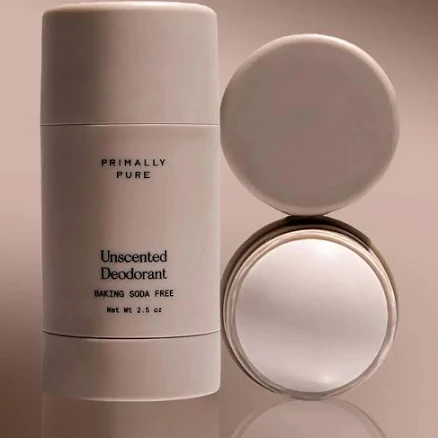
- mineral-based powder blend (arrowroot, magnesium hydroxide, mica)
- We found no PFAS statement from the brand
- Skin irritation from magnesium hydroxide alkalinity
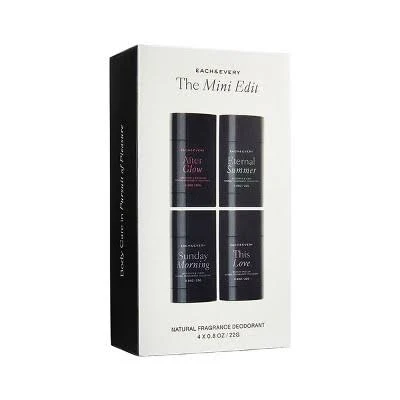
- cosmetic formulations, primary ingredients listed
- A third party reports verifying it as PFAS-free
- Fragrance allergens (natural essential oils)
2 hazards checked on this product, all on its full breakdown.
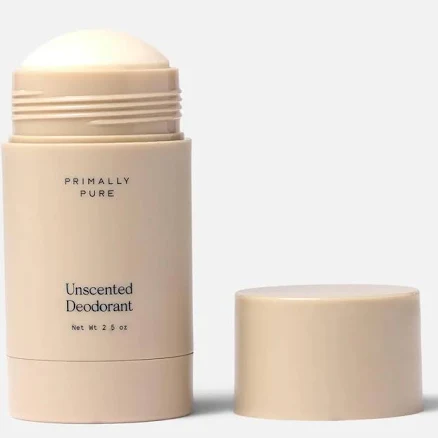
- natural mineral powders, plant-based actives, beeswax
- We found no PFAS statement from the brand
- Beeswax purity and contamination
2 hazards checked on this product, all on its full breakdown.
More deodorant grades
How we score, every product runs through the same public 0-100 rubric based on materials, coatings, brand disclosure, lab findings, and recalls. See the full methodology → Spotted a mistake? Report an error.