Helzberg Diamonds · Jewelry Cases & Jewelry Organizers
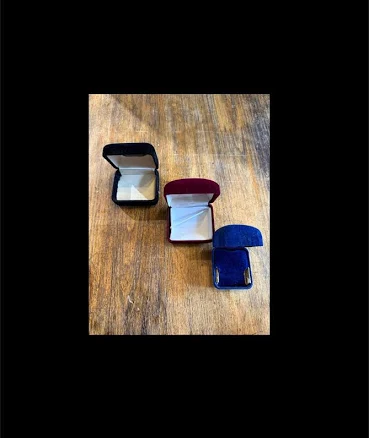
3 Vintage Velvet Jewelry Boxes Black-Bambergers Red-Helzberg Diamonds- Blue
Low concern. Vintage velvet boxes unlikely treated.
Velvet fabric and cardboard or wood interior don't require waterproofing or stain resistance. These vintage pieces show no specialty coatings tied to PFAS use.
We flunk more products than we pass. This one earned its grade. How we grade
Material
velvet fabric, cardboard/wood box interior
Brand disclosure
Brand is silent on PFAS
Lab data
No public lab test
You may also be interested in
Top-graded picks in the categories readers replace first, every one scored on the same rubric.

- polypropylene filter housing, carbon/sediment cartridge
- We found no PFAS statement from the brand
- Bacterial growth in spent cartridges
3 hazards checked on this product, all on its full breakdown.

Aquasure
Premier Series 75 GPD Under Sink Reverse Osmosis Water Filtration System
- RO membrane, carbon filters, stainless steel housing
- We found no PFAS statement from the brand
- Bacterial and microbial growth in housing and filters
4 hazards checked on this product, all on its full breakdown.

Avocado
Vegan Mattress
- organic cotton, natural latex, coconut coir, recycled steel coils
- The brand calls it PFAS-free, which we have not verified
- Heavy metals
2 hazards checked on this product, all on its full breakdown.
What 3 Vintage Velvet Jewelry Diamonds- Blue is made of, ingredients and materials
These vintage jewelry boxes consist of velvet fabric exterior (typically cotton or rayon base) glued or stapled over a cardboard or chipboard box structure, with cardboard or wood interior compartments. Velvet itself is chemically inert once dried, though the adhesive used during assembly and any dyes applied to the fabric are the primary chemical concerns. Vintage pieces (likely several decades old) have already off-gassed any volatile compounds from manufacturing, making them substantially lower-risk than new production.
What’s concerning
Category baseline
The starting point for this type of product, before anything specific to this product is counted.
No PFAS disclosure
No public statement from the brand about PFAS in this product.
Azo dyes in velvet fabric
Vintage velvet was often dyed with azo compounds, some of which can break down to release carcinogenic amines. The risk is minimal during normal handling, but direct prolonged skin contact or water exposure could theoretically mobilize dyes. This is a category risk for old textiles, not a Helzberg-specific issue.
Formaldehyde / VOCs
Fabric glues and cardboard sizing used in mid-to-late 20th century production may have contained formaldehyde-releasing resins. Off-gassing would have largely completed over decades of storage, but vintage pieces may retain trace levels. Direct inhalation risk is low in normal use.
Source, ATSDR ↗Mold and microbial growth
Velvet and cardboard are organic materials that absorb moisture and support mold growth if stored in humid conditions. This is a biological rather than chemical hazard, but can trigger allergic or respiratory reactions in sensitive individuals.
Fiber shedding and inhalation
Aged velvet naturally sheds fibers, which can be inhaled if boxes are stored in enclosed spaces or handled roughly. This is mechanical rather than chemical hazard but relevant for respiratory-sensitive users.
What’s reassuring
Base material not linked to PFAS
The main material recorded for this product is not one associated with PFAS.
Lead
Heavy metal pigments were used in some textile dyes before stricter regulations in the 1970s-80s. No specific testing or complaints for Helzberg velvet boxes exist on public record, but vintage pieces cannot be ruled out without lab analysis.
Source, ATSDR ↗How is this PFAS grade calculated?
The brand's record and disclosure
Helzberg Diamonds is a jewelry retailer, not a materials manufacturer, and has not published material safety disclosures for their packaging or jewelry organizers. No public recalls or safety complaints specific to these velvet boxes are documented. The brand's silence on material sourcing and chemical safety reflects typical industry practice for accessory packaging rather than evidence of concern.
How it compares in its category
Velvet jewelry boxes are lower concern organizer options because fabric and cardboard are not materials linked to PFAS. They compare favorably to plastic organizers (which may contain BPA or phthalates, especially if heated) and metal boxes with coated interiors (which may off-gas or degrade). The trade-off is durability, velvet can shed fibers over decades and box structure may weaken, but chemical safety is not a concern.
If you buy it
Store in a cool, dry location away from direct sunlight to prevent velvet fading and adhesive degradation. These boxes are not heat-stable and should never be exposed to temperatures above 85F or high humidity, which can promote mold and adhesive failure. Replace the box if velvet develops visible mold, the cardboard interior becomes soft or warped, or the structure fails to hold items securely. No special cleaning is needed; dust gently with a soft brush if required.
What is not known about PFAS in this product?
- Basis
- Model estimate, 82% confidence, not a lab result
- Lab test
- None on record for this exact product
- Brand statement
- Helzberg Diamonds has made none
Formulations change between production runs, so check the current label. How we grade.
More jewelry cases & jewelry organizers grades
How we score, every product runs through the same public 0-100 rubric based on materials, coatings, brand disclosure, lab findings, and recalls. See the full methodology → Spotted a mistake? Report an error.