Bey Berk · Jewelry Cases & Jewelry Organizers
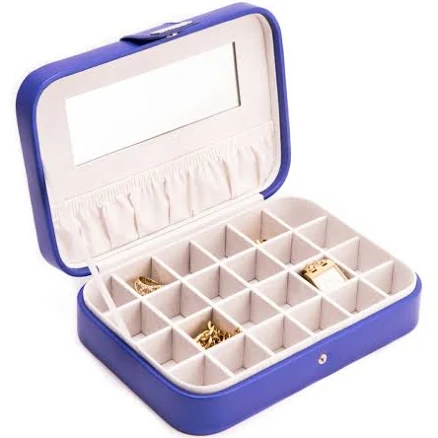
Bey Berk 24-Section Jewelry Case
Low concern. No clear PFAS risk in standard materials.
Velvet, polyester lining, and wood or MDF construction don't receive waterproofing or stain treatments typical of PFAS use. Lower concern product overall.
We flunk more products than we pass. This one earned its grade. How we grade
Material
velvet and polyester lining, wood/MDF box
Brand disclosure
Brand is silent on PFAS
Lab data
No public lab test
You may also be interested in
Top-graded picks in the categories readers replace first, every one scored on the same rubric.

- polypropylene filter housing, carbon/sediment cartridge
- We found no PFAS statement from the brand
- Bacterial growth in spent cartridges
3 hazards checked on this product, all on its full breakdown.

Aquasure
Premier Series 75 GPD Under Sink Reverse Osmosis Water Filtration System
- RO membrane, carbon filters, stainless steel housing
- We found no PFAS statement from the brand
- Bacterial and microbial growth in housing and filters
4 hazards checked on this product, all on its full breakdown.

Avocado
Vegan Mattress
- organic cotton, natural latex, coconut coir, recycled steel coils
- The brand calls it PFAS-free, which we have not verified
- Heavy metals
2 hazards checked on this product, all on its full breakdown.
What Bey Berk 24-Section Jewelry Case is made of, ingredients and materials
The Bey Berk case uses a wood or MDF box frame with velvet and polyester fabric lining. Velvet is typically a natural fiber (cotton or silk) or synthetic (polyester) pile bonded to a backing; polyester lining adds durability but introduces synthetic polymer exposure. Neither material requires direct skin contact at high temperatures, which limits leaching risk. MDF (medium-density fiberboard) can off-gas formaldehyde, but ventilated storage applications pose minimal inhalation concern compared to closed furniture.
What’s concerning
Category baseline
The starting point for this type of product, before anything specific to this product is counted.
No PFAS disclosure
No public statement from the brand about PFAS in this product.
Formaldehyde / VOCs
MDF box components may emit trace formaldehyde, especially when new. Jewelry storage is ventilated and non-food-contact, so exposure is minimal and typically below concern thresholds in typical home storage use.
Source, ATSDR ↗Adhesive or glue volatiles from wood joints
MDF assembly typically uses formaldehyde-based adhesives; off-gassing dissipates quickly in ventilated storage. No specific adhesive chemistry is disclosed by Macy's for this product line.
What’s reassuring
Base material not linked to PFAS
The main material recorded for this product is not one associated with PFAS.
Azo dyes in velvet or polyester lining
No specific test results or recalls document toxic azo dyes in Bey Berk products. Velvet dyeing can involve azo compounds in lower-cost fabrics, but direct skin contact from this case is limited to brief handling of jewelry.
Polyester microplastic shedding
Polyester backing may shed microfibers if abraded or laundered, but this case is not washed and handles only solid jewelry; shedding risk is negligible under normal use.
How is this PFAS grade calculated?
The brand's record and disclosure
Macy's does not publicly disclose detailed material certifications or chemical testing results for this accessory line. No recalls or safety controversies are on record for the Bey Berk jewelry case specifically. The brand's silence on PFAS and hazardous substances is typical for retail jewelry storage products, which fall outside cosmetics and cookware regulatory scrutiny. Macy's general product safety compliance is standard for department stores but not distinguished by proactive transparency.
How it compares in its category
Jewelry storage cases are low-chemical-risk products because they do not contact food, skin for extended periods, or consume liquids. This velvet-lined case is comparable to most mid-range jewelry organizers; fabric-lined boxes present lower concern than plastic-only alternatives regarding microplastic shedding risk if abraded. Wood-based cases may off-gas more than all-plastic designs, but jewelry storage ventilation typically keeps exposure negligible.
If you buy it
Store the case in a ventilated area for the first week to allow any initial formaldehyde off-gassing from the MDF to disperse. Do not seal it in a closed plastic bag long-term. Avoid direct sunlight on the velvet lining to prevent dye fading and potential photodegradation of the synthetic backing. Spot-clean the velvet with a soft brush or lint roller if soiled; do not machine wash or use solvents that may degrade the polyester or adhesive.
What is not known about PFAS in this product?
- Basis
- Model estimate, 72% confidence, not a lab result
- Lab test
- None on record for this exact product
- Brand statement
- Bey Berk has made none
Formulations change between production runs, so check the current label. How we grade.
More jewelry cases & jewelry organizers grades
How we score, every product runs through the same public 0-100 rubric based on materials, coatings, brand disclosure, lab findings, and recalls. See the full methodology → Spotted a mistake? Report an error.