Helzberg Diamonds · Jewelry Cases & Jewelry Organizers
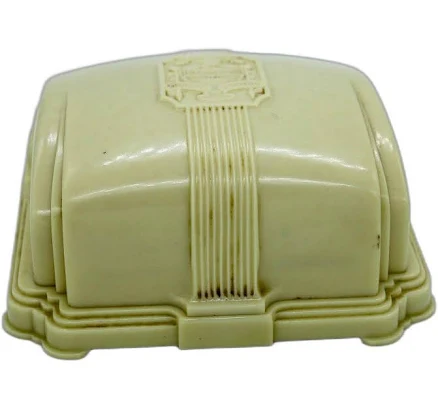
Vintage 1940S Art Deco Helzberg's Jewelers Early Plastic Jewelry Case
Vintage item, low concern. Skip only for extreme caution.
This 1940s plastic case predates the era when PFAS coatings became common. Early plastics did not receive PFAS-prone treatments typical of modern products.
We flunk more products than we pass. This one earned its grade. How we grade
Material
Early plastic (likely cellulose acetate or phenolic resin)
Brand disclosure
Brand is silent on PFAS
Lab data
No public lab test
You may also be interested in
Top-graded picks in the categories readers replace first, every one scored on the same rubric.

- polypropylene filter housing, carbon/sediment cartridge
- We found no PFAS statement from the brand
- Bacterial growth in spent cartridges
3 hazards checked on this product, all on its full breakdown.

Aquasure
Premier Series 75 GPD Under Sink Reverse Osmosis Water Filtration System
- RO membrane, carbon filters, stainless steel housing
- We found no PFAS statement from the brand
- Bacterial and microbial growth in housing and filters
4 hazards checked on this product, all on its full breakdown.

Avocado
Vegan Mattress
- organic cotton, natural latex, coconut coir, recycled steel coils
- The brand calls it PFAS-free, which we have not verified
- Heavy metals
2 hazards checked on this product, all on its full breakdown.
What Vintage 1940S Art Deco Jewelry Case is made of, ingredients and materials
Early 1940s jewelry cases were typically molded from cellulose acetate or phenolic resin, both thermosetting plastics chosen for rigidity and ornamental finish. Cellulose acetate yellows and becomes brittle with age and UV exposure but does not leach significant toxic compounds under normal storage conditions. Phenolic resins are also chemically stable when undisturbed, though they can release trace formaldehyde if subjected to sustained heat or humidity cycling.
What’s concerning
Category baseline
The starting point for this type of product, before anything specific to this product is counted.
No PFAS disclosure
No public statement from the brand about PFAS in this product.
Formaldehyde / VOCs
If the case material is phenolic resin rather than cellulose acetate, trace formaldehyde emission is possible under heat or high humidity; vintage cases are rarely tested. Practical exposure is minimal in typical home storage.
Source, ATSDR ↗Plastic degradation and microparticle shedding
After 80+ years, cellulose acetate can become brittle and flake; contact with jewelry is minimal but prolonged storage of soft gemstones (pearls, opals) directly against degrading plastic liner could cause micro-scratching rather than chemical leaching.
Moisture absorption and mold growth
Cellulose acetate absorbs humidity; sustained damp storage can trap moisture inside the case, risking mold growth on interior fabric or jewelry, though not from the plastic itself. Proper ventilation and desiccant packets mitigate this.
What’s reassuring
Base material not linked to PFAS
The main material recorded for this product is not one associated with PFAS.
Heavy metals
Art Deco plastic cases often featured printed or painted decoration; lead-based pigments were in use in 1940s coatings, but no specific recalls or test results for Helzberg vintage cases are on record. Incidental skin contact with exterior surfaces poses negligible risk.
Source, FDA ↗Adhesive or glue toxicity (interior seams and trim)
Vintage cases used hide glue or early synthetic adhesives to bond seams and linings; these are stable when cured and pose no documented risk. No recalls or safety issues are on record for Helzberg jewelry case adhesives.
How is this PFAS grade calculated?
The brand's record and disclosure
Helzberg Diamonds is primarily a jewelry retailer; no established public record of safety certifications, material disclosures, or product safety recalls for vintage jewelry cases exists. The company's website and corporate materials do not emphasize material sourcing or chemical safety standards for storage accessories. As a vintage item, it predates modern consumer product safety labeling and third-party testing conventions.
How it compares in its category
Vintage plastic jewelry cases occupy a niche; modern alternatives are typically lined with velvet or synthetic fabric over wood or plastic substrates, often with explicit material declarations. This 1940s example lacks the interior fabric degradation risks of older leather linings but may show surface crazing or discoloration that modern cases do not. Vintage cases are functionally similar but lack contemporary finish durability and documented manufacturing controls.
If you buy it
Store the case in a cool, dry environment away from direct sunlight to slow yellowing and preserve structural integrity. Avoid exposure to temperatures above 40°C (104°F) and humidity swings that can cause warping or micro-cracking of the plastic. Clean only with soft, dry cloth; do not use solvents or prolonged water contact. Inspect periodically for visible cracks or brittleness; replacement is warranted only if structural integrity is compromised and jewelry becomes at risk of damage.
What is not known about PFAS in this product?
- Basis
- Model estimate, 72% confidence, not a lab result
- Lab test
- None on record for this exact product
- Brand statement
- Helzberg Diamonds has made none
Formulations change between production runs, so check the current label. How we grade.
More jewelry cases & jewelry organizers grades
How we score, every product runs through the same public 0-100 rubric based on materials, coatings, brand disclosure, lab findings, and recalls. See the full methodology → Spotted a mistake? Report an error.