Helzberg Diamonds · Jewelry Cases & Jewelry Organizers
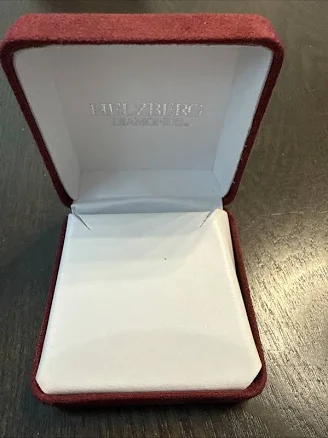
Helzberg Diamonds Empty Necklace Box
Low concern. Empty cardboard box poses minimal PFAS risk.
Cardboard with paper or cardboard lining needs no surface treatments for jewelry storage. No known PFAS-containing finishes are applied to this base material.
We flunk more products than we pass. This one earned its grade. How we grade
Material
cardboard box with paper/cardboard lining
Brand disclosure
Brand is silent on PFAS
Lab data
No public lab test
You may also be interested in
Top-graded picks in the categories readers replace first, every one scored on the same rubric.

- polypropylene filter housing, carbon/sediment cartridge
- We found no PFAS statement from the brand
- Bacterial growth in spent cartridges
3 hazards checked on this product, all on its full breakdown.

Aquasure
Premier Series 75 GPD Under Sink Reverse Osmosis Water Filtration System
- RO membrane, carbon filters, stainless steel housing
- We found no PFAS statement from the brand
- Bacterial and microbial growth in housing and filters
4 hazards checked on this product, all on its full breakdown.

Avocado
Vegan Mattress
- organic cotton, natural latex, coconut coir, recycled steel coils
- The brand calls it PFAS-free, which we have not verified
- Heavy metals
2 hazards checked on this product, all on its full breakdown.
What Helzberg Diamonds Empty Necklace Box is made of, ingredients and materials
This is a cardboard box with paper or cardboard lining, typical for retail jewelry packaging. Cardboard itself is cellulose-based and inherently stable for storage purposes. The main chemistry concern is any adhesives, inks, or coatings applied during manufacturing, which could include solvents or dyes. For an empty storage box kept indoors at room temperature, off-gassing or leaching risks are minimal compared to items that contact food or skin.
What’s concerning
Category baseline
The starting point for this type of product, before anything specific to this product is counted.
No PFAS disclosure
No public statement from the brand about PFAS in this product.
Mold and microbial growth
Cardboard can support mold if stored in damp conditions; this is a handling issue rather than a manufacturing defect. Proper dry storage in a closet or dresser drawer mitigates this risk entirely.
Cardboard degradation and dust
Over extended storage (5+ years), cardboard breaks down and may shed fine particles. This poses minimal inhalation risk in a closed storage environment but could become visible as discoloration or softening.
What’s reassuring
Base material not linked to PFAS
The main material recorded for this product is not one associated with PFAS.
Printing inks and adhesives
Standard cardboard box inks and adhesives are not documented as hazardous for empty storage use; no public testing or recalls exist for Helzberg boxes. Risk is negligible if the box does not contact skin or food.
Formaldehyde / VOCs
Cardboard manufacturing may use formaldehyde-based resins in sizing; no specific testing or reports exist for Helzberg boxes. Off-gassing would be negligible for an empty box stored at room temperature and humidity.
Source, ATSDR ↗Lead
US-manufactured cardboard boxes are subject to general consumer product safety standards; no lead or cadmium contamination has been reported in jewelry packaging. Risk is low given the box does not contact food or skin.
Source, ATSDR ↗How is this PFAS grade calculated?
The brand's record and disclosure
Helzberg Diamonds is a US-based jewelry retailer with no public record of material safety certifications, third-party testing disclosures, or substantive environmental/chemical transparency statements for their packaging. The brand has not issued recalls or warnings specific to this box. No established safety controversies tied to Helzberg jewelry cases are on public record.
How it compares in its category
Empty cardboard jewelry boxes are the industry standard and among the lowest-risk organizers available. Alternatives such as plastic clamshells, velvet-lined wooden boxes, or fabric pouches may introduce additional hazards (BPA in plastics, formaldehyde in wood treatments, dyes in textiles). A plain cardboard box avoids these secondary exposures entirely.
If you buy it
Store the box in a dry environment to prevent mold, water damage, or structural breakdown. Cardboard degrades over years with moisture and humidity; replace it if it becomes soft, discolored, or crumbly. Avoid stacking heavy items on top, as this will crush and degrade the material. If storing jewelry long-term, ensure contents are not in direct contact with printed inks or adhesive areas inside the box.
What is not known about PFAS in this product?
- Basis
- Model estimate, 82% confidence, not a lab result
- Lab test
- None on record for this exact product
- Brand statement
- Helzberg Diamonds has made none
Formulations change between production runs, so check the current label. How we grade.
More jewelry cases & jewelry organizers grades
How we score, every product runs through the same public 0-100 rubric based on materials, coatings, brand disclosure, lab findings, and recalls. See the full methodology → Spotted a mistake? Report an error.