Hormel · Deli Meat & Cold Cuts Packaging
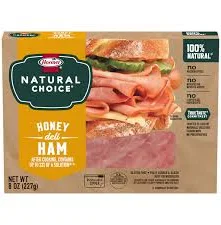
Hormel Deli Honey Ham
Skip or limit exposure, grease-resistant deli packaging typically contains PFAS.
Hormel Deli Honey Ham comes wrapped to resist grease and moisture. Grease-blocking coatings frequently contain PFAS, yet Hormel makes no public statement about PFAS use or avoidance.
The better-graded swap
IDL Packaging
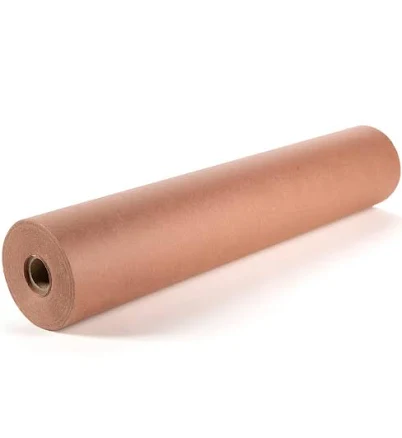
Idl Packaging White Butcher Paper 18" x 12000" Natural Butcher Paper Roll for Meat and Fish
95/100 safety
Same rubric that flunked this product. The swap earned Excellent.
Still want this one anyway? Check the price on Amazon. We’d swap it.
Material
plastic film packaging with grease-resistant coating
Brand disclosure
Brand is silent on PFAS
Lab data
No public lab test
You may also be interested in
Top-graded picks in the categories readers replace first, every one scored on the same rubric.

- polypropylene filter housing, carbon/sediment cartridge
- We found no PFAS statement from the brand
- Bacterial growth in spent cartridges
3 hazards checked on this product, all on its full breakdown.

Aquasure
Premier Series 75 GPD Under Sink Reverse Osmosis Water Filtration System
- RO membrane, carbon filters, stainless steel housing
- We found no PFAS statement from the brand
- Bacterial and microbial growth in housing and filters
4 hazards checked on this product, all on its full breakdown.

Avocado
Vegan Mattress
- organic cotton, natural latex, coconut coir, recycled steel coils
- The brand calls it PFAS-free, which we have not verified
- Heavy metals
2 hazards checked on this product, all on its full breakdown.
What Hormel Deli Honey Ham is made of, ingredients and materials
Hormel Deli Honey Ham arrives in plastic film packaging with a grease-resistant coating, most likely containing fluorinated compounds (PFAS) to repel moisture and fat. This coating sits directly against the meat surface. The plastic substrate itself is typically polyethylene or polypropylene, materials generally stable at room temperature but which can degrade if exposed to heat or solvents. The grease-resistant layer is the primary chemical concern; it exists to keep packaging from becoming saturated with meat oils but introduces persistent chemicals into the food-contact zone.
What’s concerning
Category baseline
The starting point for this type of product, before anything specific to this product is counted.
No PFAS disclosure
No public statement from the brand about PFAS in this product.
Waterproof / stain-resistant treatment
Water-repellent coating treatments have historically used PFAS.
PFAS
Grease-resistant deli packaging almost universally contains PFAS (per FDA and peer literature on fluorinated coatings). Hormel has not publicly confirmed or denied this for this product; exposure risk is direct contact with meat over storage period.
Source, ATSDR ↗Plastic film degradation and migration
Polyethylene and polypropylene film can release oligomers or additives (such as slip agents or antioxidants) under prolonged storage or if exposed to heat, light, or acidic conditions from the meat itself. No specific recalls or reports for Hormel's deli ham packaging, but risk is inherent to plastic film contact.
Sodium nitrite/nitrate as curing agent
Deli ham is cured with sodium nitrite or sodium nitrate, a health concern unrelated to packaging. This is a known ingredient in the product itself, not a packaging hazard, but relevant to overall food safety assessment of this product class.
Bacterial contamination risk from packaging breaches
If packaging film is punctured, torn, or degraded in transit or storage, the meat is exposed to airborne pathogens. This is not a chemical hazard but a food-safety risk; inspect packaging for integrity before purchase and storage.
What’s reassuring
BPA & bisphenols
No evidence that Hormel uses BPA or BPS-containing polycarbonate or epoxy resins in deli ham film packaging. Modern deli films are typically polyethylene or polypropylene, which do not require BPA. However, not explicitly certified BPA-free by the brand.
Source, FDA ↗How is this PFAS grade calculated?
The brand's record and disclosure
Hormel has not publicly disclosed PFAS use in its deli meat packaging or committed to PFAS reduction timelines. The company has no known third-party certifications (such as NSF/ANSI for packaging or formal PFAS-free claims) for this product line. Hormel's parent-company sustainability communications do not single out fluorinated coatings in food packaging as a priority. This silence, combined with the grease-resistant coating standard in the category, suggests PFAS presence is likely but unconfirmed by the brand.
How it compares in its category
Most major deli meat brands (Boar's Head, Oscar Mayer, Sara Lee) use similar grease-resistant film packaging with likely PFAS content. Few cold-cut manufacturers have switched to packaging without intentionally added PFAS at scale. Hormel's position is typical for the category rather than worse; however, no major competitor has made a transparent commitment to eliminating intentional PFAS additions in deli packaging. If PFAS exposure from packaging is a concern, switching brands within deli meats offers little advantage without specific manufacturer certification.
If you buy it
Transfer the ham to a glass or ceramic container if storing longer than 3-5 days; this reduces contact time with the PFAS-coated film. Do not heat the product in its original packaging (microwave or oven), as heat may increase PFAS migration into the meat. Keep packaging away from hot surfaces and do not freeze in the original film if you plan to reuse the packaging. Consume within the expiration date and discard packaging immediately after opening to minimize cumulative exposure.
What is not known about PFAS in this product?
- Basis
- Model estimate, 45% confidence, not a lab result
- Lab test
- None on record for this exact product
- Brand statement
- Hormel has made none
Formulations change between production runs, so check the current label. How we grade.
What are the PFAS-free alternatives to Hormel Deli Honey Ham?
IDL Packaging
White Butcher Paper 18" x 12000" Natural Butcher Paper Roll for Meat and Fish
- natural kraft butcher paper, no coating specified
- The brand calls it PFAS-free, which we have not verified
- Bleach residue and chlorine compounds
2 hazards checked on this product, all on its full breakdown.
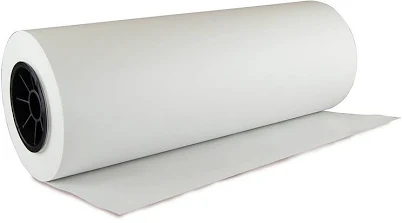
- stainless steel blade, bare metal construction
- We found no PFAS statement from the brand
- Blade degradation and metal particle shedding
2 hazards checked on this product, all on its full breakdown.
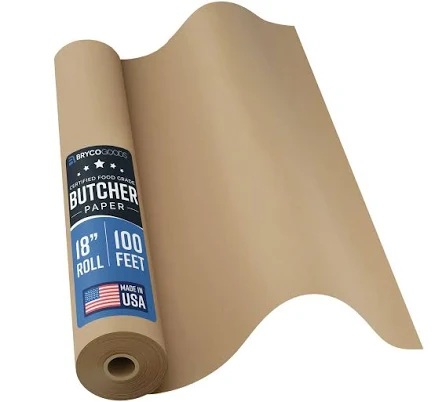
- kraft paper, unbleached cellulose
- We found no PFAS statement from the brand
- Heavy metals
2 hazards checked on this product, all on its full breakdown.
More deli meat & cold cuts packaging grades
How we score, every product runs through the same public 0-100 rubric based on materials, coatings, brand disclosure, lab findings, and recalls. See the full methodology → Spotted a mistake? Report an error.