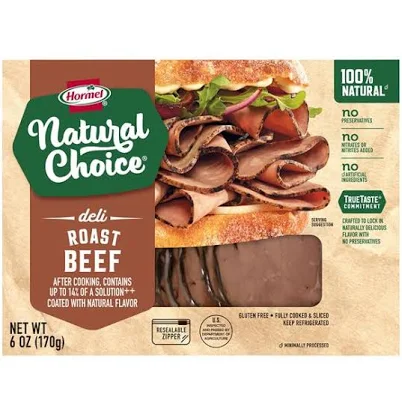
Hormel · Deli Meat & Cold Cuts Packaging
Hormel Deli Roast Beef
Skip or choose alternatives with clear packaging disclosure about PFAS.
Hormel keeps quiet about PFAS in deli packaging. Deli meat boxes typically use grease-resistant paperboard coatings, a well-known PFAS source in food contact materials.
The better-graded swap
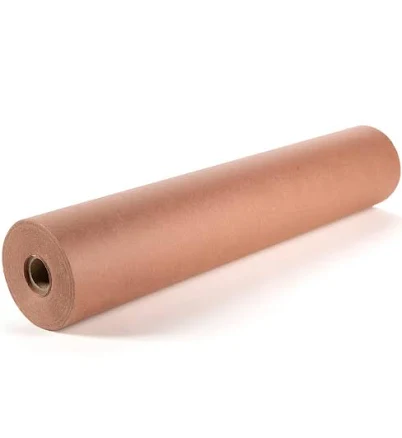
IDL Packaging
Idl Packaging White Butcher Paper 18" x 12000" Natural Butcher Paper Roll for Meat and Fish
95/100 safety
Same rubric that flunked this product. The swap earned Excellent.
Still want this one anyway? Check the price on Amazon. We’d swap it.
Material
Paper/cardboard packaging with likely grease-resistant coating
Brand disclosure
Brand is silent on PFAS
Lab data
No public lab test
You may also be interested in
Top-graded picks in the categories readers replace first, every one scored on the same rubric.

- polypropylene filter housing, carbon/sediment cartridge
- We found no PFAS statement from the brand
- Bacterial growth in spent cartridges
3 hazards checked on this product, all on its full breakdown.

Aquasure
Premier Series 75 GPD Under Sink Reverse Osmosis Water Filtration System
- RO membrane, carbon filters, stainless steel housing
- We found no PFAS statement from the brand
- Bacterial and microbial growth in housing and filters
4 hazards checked on this product, all on its full breakdown.

Avocado
Vegan Mattress
- organic cotton, natural latex, coconut coir, recycled steel coils
- The brand calls it PFAS-free, which we have not verified
- Heavy metals
2 hazards checked on this product, all on its full breakdown.
What Hormel Deli Roast Beef is made of, ingredients and materials
Hormel Deli Roast Beef is packaged in paper/cardboard with a grease-resistant coating, likely fluorochemical-based to repel fat and moisture from the meat. The coating serves a practical purpose (preventing grease saturation and odor leakage) but is the primary PFAS exposure route during storage and handling. The meat itself is a cured, processed product containing nitrites as a preservative and potentially salt at levels typical for deli meats. No ceramic, plastic film, or non-stick cookware is involved in end-use, so aluminum leaching and Teflon-type coating fume risks do not apply.
What’s concerning
Category baseline
The starting point for this type of product, before anything specific to this product is counted.
No PFAS disclosure
No public statement from the brand about PFAS in this product.
Waterproof / stain-resistant treatment
Water-repellent coating treatments have historically used PFAS.
PFAS
The paper/cardboard coating on Hormel deli roast beef packaging is graded Poor (25/100) for PFAS safety. Fluorochemical coatings have been documented in food packaging by peer-reviewed studies and FDA communications, and this product's coating is consistent with that class.
Source, ATSDR ↗Sodium nitrite as a preservative in cured meat
Nitrites are permitted food additives but are associated with formation of N-nitroso compounds under certain conditions (high heat, long storage, presence of secondary amines). For deli roast beef, the risk is low under normal storage and moderate consumption, but chronic high intake is a consideration.
Sodium content and dietary effects
Deli roast beef is a cured, processed meat with high sodium for preservation and flavor. A typical serving contains 600-900 mg sodium; this is a product-class hazard, not brand-specific, but relevant to overall dietary planning.
Migration of coating components into fatty meat
Grease-resistant coatings can migrate into high-fat foods under normal storage or warm conditions; the extent depends on the specific chemistry of the coating and storage temperature. Data on Hormel-specific migration are not publicly available.
What’s reassuring
Microplastic contamination from packaging handling
No established recall or reported contamination specific to Hormel deli roast beef or paper-based deli meat packaging. Microplastics are not a known mechanism of paper/cardboard systems unless they degrade severely or are improperly recycled.
How is this PFAS grade calculated?
The brand's record and disclosure
Hormel Foods has not published a detailed public commitment to eliminating PFAS from food packaging, nor has it disclosed testing results or transition timelines to fluorine-free alternatives. The company maintains a general food safety and quality assurance presence but remains silent on emerging contaminants like PFAS in food-contact materials. No recalls or enforcement actions specific to PFAS in Hormel deli meat packaging are on public record as of current information.
How it compares in its category
Deli roast beef packaging is nearly universal in grease-resistant coatings; Hormel's approach is typical of the mainstream cold cuts category. Smaller brands and some regional producers have begun transitioning to PFAS-free barrier coatings, though availability varies by retailer. Unpackaged deli counter roast beef (sliced fresh) avoids packaging-based PFAS exposure entirely but carries different food safety logistics. Hormel's lack of transparency puts it in the middle of the category rather than leading or lagging on this hazard class.
If you buy it
Store unopened packages in a cool, dry place away from direct heat or sunlight to minimize migration of coating components into the meat. Once opened, transfer the meat to a glass or ceramic container if you plan to store it longer than 2-3 days, as this reduces ongoing contact with the packaging coating. Follow the use-by date on the package; deli meats are perishable and time-dependent for bacterial safety, independent of packaging hazards. If PFAS exposure from packaging is a priority concern, consider purchasing from a deli counter or sourcing brands that explicitly state PFAS-free packaging.
What is not known about PFAS in this product?
- Basis
- Model estimate, 45% confidence, not a lab result
- Lab test
- None on record for this exact product
- Brand statement
- Hormel has made none
Formulations change between production runs, so check the current label. How we grade.
What are the PFAS-free alternatives to Hormel Deli Roast Beef?
IDL Packaging
White Butcher Paper 18" x 12000" Natural Butcher Paper Roll for Meat and Fish
- natural kraft butcher paper, no coating specified
- The brand calls it PFAS-free, which we have not verified
- Bleach residue and chlorine compounds
2 hazards checked on this product, all on its full breakdown.
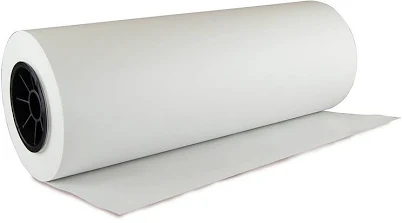
- stainless steel blade, bare metal construction
- We found no PFAS statement from the brand
- Blade degradation and metal particle shedding
2 hazards checked on this product, all on its full breakdown.
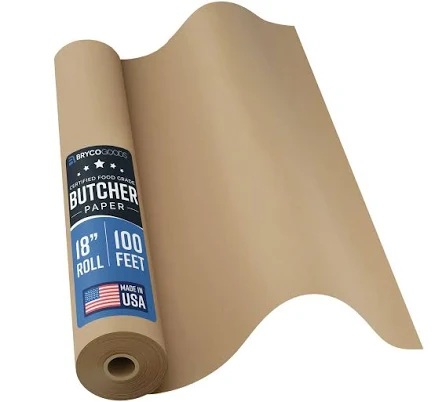
- kraft paper, unbleached cellulose
- We found no PFAS statement from the brand
- Heavy metals
2 hazards checked on this product, all on its full breakdown.
More deli meat & cold cuts packaging grades
How we score, every product runs through the same public 0-100 rubric based on materials, coatings, brand disclosure, lab findings, and recalls. See the full methodology → Spotted a mistake? Report an error.