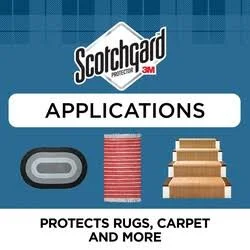
Scotchgard · Fabric Stain Guard Sprays
Scotchgard Carpet & Rug Protector
Avoid until composition disclosed or PFAS-free status verified.
Scotchgard's exact chemistry remains proprietary, and brand does not disclose PFAS status. Historical Scotchgard products contained PFAS, and current formulation remains unclear without independent testing.
Still want this one anyway? Check the price on Amazon. We’d swap it.
Material
Proprietary stain/water repellent coating
Lab data
No public lab test
What Scotchgard Carpet & Rug Protector is made of, ingredients and materials
Scotchgard Carpet & Rug Protector is a proprietary liquid coating applied to carpet fibers to repel water and oil-based stains. The exact chemical formulation is not publicly disclosed by Host. Water and oil repellent finishes in this product category historically rely on fluorinated compounds (PFAS family) to achieve their stain-blocking properties, though Host has not confirmed whether this product contains PFAS or PFAS alternatives.
What’s concerning
Category baseline
The starting point for this type of product, before anything specific to this product is counted.
Vague safety claims only
Uses vague language ("eco-friendly", "clean") without a specific PFAS statement.
Waterproof / stain-resistant treatment
Water-repellent coating treatments have historically used PFAS.
PFAS
Proprietary formula not disclosed; water and oil repellency in stain guards typically achieved via PFAS chemistry. Undisclosed composition precludes certainty, but chemical function strongly suggests fluorochemical content.
Source, ATSDR ↗Volatile organic compounds (VOCs) and inhalation during application
Spray application of any water-repellent coating releases aerosols and solvents. No VOC data published by Host. Typical stain-guard products contain isopropanol or other carriers that require ventilation to avoid respiratory irritation.
Respiratory sensitization from spray particles
Inhalation of fine mist during application can trigger coughing or bronchial irritation, especially in individuals with asthma or chemical sensitivity. Product labeling recommends ventilation but does not quantify particle size or respiratory hazard classification.
Skin or eye contact during application
Spray application poses minor direct contact risk. Product safety data sheets (if available) typically classify concentrate as skin and eye irritant. Proper gloves, eye protection, and spot-testing on inconspicuous carpet area are standard precautions.
What’s reassuring
Off-gassing or residual chemical persistence in carpet
No documented reports of secondary off-gassing after application or curing. Scotchgard is intended to bind to fibers; however, fluorinated coatings can slowly migrate or leach into household dust or indoor air over years, particularly in warm or humid conditions. Long-term accumulation data not publicly available.
The full breakdown
The brand's record and disclosure
Host (formerly Coit) has not publicly committed to PFAS phase-out or disclosed the fluorochemical status of Scotchgard formulations. The brand does not prominently advertise PFAS-free certification or independent third-party testing results. No major recalls or regulatory action against this specific product have been documented, but the lack of transparency on stain-guard chemistry is a significant gap relative to competitor disclosure trends.
How it compares in its category
Scotchgard is among the most widely used carpet protectors in North America. Competitors including Techguard and some store brands have begun disclosing PFAS-free or fluorine-free formulations in response to regulatory pressure. Scotchgard's silence on composition puts it in a middle-risk position, established safety history for typical use, but lagging transparency versus forward-moving brands.
If you buy it
Apply in well-ventilated areas or outdoors; avoid inhalation of spray mist. Do not allow pets or children in the treated room during application and drying (typically 24-48 hours). Follow label instructions for water content and dry time before foot traffic. If switching brands, prioritize products explicitly labeled PFAS-free or fluorine-free to reduce long-term exposure risk.
What we don’t know
- Basis
- Model estimate, 45% confidence, not a lab result
- Lab test
- None on record for this exact product
- Brand statement
- Scotchgard has made a specific claim
Formulations change between production runs, so check the current label. How we grade.
Better-graded alternatives in Fabric Stain Guard Sprays
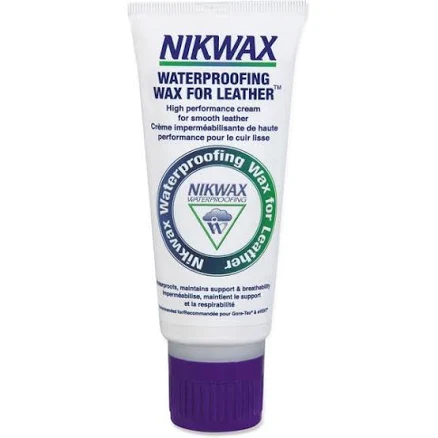
Nikwax
Waterproofing Wax for Leather
- wax-based waterproofing
- The brand calls it PFAS-free, which we have not verified
- Respiratory irritation or fume inhalation during application
2 hazards checked on this product. See all of them.
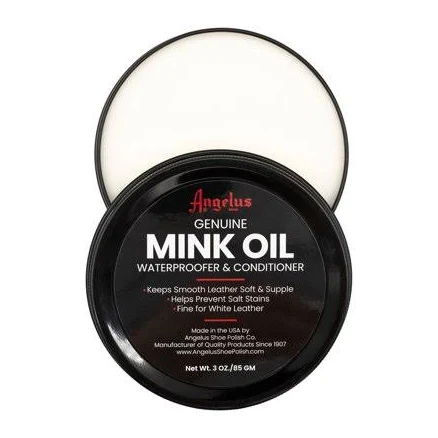
Angelus
Mink Oil Paste Leather Waterproofer and Contitioner 3 oz
- mink oil paste, natural oil-based conditioner
- We found no PFAS statement from the brand
- Microbial growth (natural oil rancidity)
2 hazards checked on this product. See all of them.
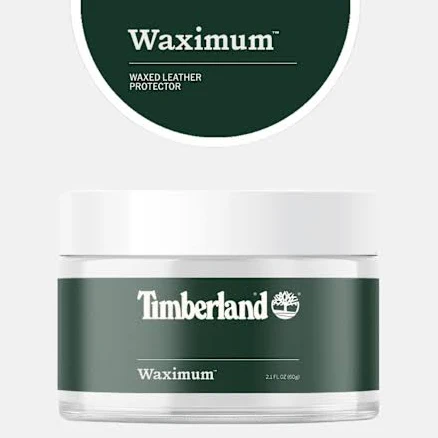
Timberland
Waximum Waxed Leather Protector
- Wax-based leather protector
- We found no PFAS statement from the brand
- Volatile organic compounds (VOCs) from solvents
3 hazards checked on this product. See all of them.
More fabric stain guard sprays grades
How we score, every product runs through the same public 0-100 rubric based on materials, coatings, brand disclosure, lab findings, and recalls. See the full methodology → Spotted a mistake? Report an error.