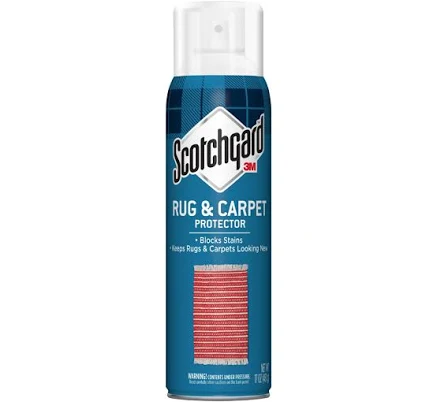
Scotchgard · Fabric Stain Guard Sprays
Scotchgard Rug & Carpet Protector 4406-17 PF
Avoid, Scotchgard coatings historically use PFAS, no disclosure or PFAS-free claim.
Scotchgard is a legacy stain-resistant treatment brand with documented PFAS use history. Host provides no ingredient transparency or PFAS safety assurance on this product.
Still want this one anyway? Check the price on Amazon. We’d swap it.
Material
proprietary stain/water-resistant coating, unspecified chemistry
Lab data
No public lab test
What Scotchgard Rug & Carpet Protector 4406-17 is made of, ingredients and materials
Scotchgard Rug & Carpet Protector 4406-17 PF is a spray-applied water and stain repellent coating with proprietary chemistry that Host does not fully disclose. Scotchgard's legacy products have used perfluorinated compounds (PFAS) as the active repellent agent, binding to carpet fibers to create a hydrophobic barrier. The 'PF' designation typically indicates fluorocarbon chemistry, though Host has not publicly confirmed whether this formulation includes legacy PFAS or a replacement. The lack of ingredient transparency means you cannot verify reformulation status.
What’s concerning
No PFAS disclosure
No public statement from the brand about PFAS in this product.
Category baseline
The starting point for this type of product, before anything specific to this product is counted.
Waterproof / stain-resistant treatment
Water-repellent coating treatments have historically used PFAS.
Volatile organic compounds (VOC) and solvent exposure
Aerosol carpet protectors release solvent vapors (typically hydrocarbons and carrier gases) during and after application. Inhalation of these vapors can cause headaches, dizziness, respiratory irritation, and neurological effects, especially in poorly ventilated spaces or in children and pets with higher inhalation rates per body weight.
PFAS
Legacy Scotchgard formulations contained PFOA and related PFAS compounds that do not break down in the environment and accumulate in human blood serum. Without confirmation that this 4406-17 formulation has been reformulated to exclude PFAS, the product poses risk of chronic fluorochemical exposure through carpet dust inhalation and dermal contact over months to years.
Source, ATSDR ↗Formaldehyde / VOCs
While the protector coating itself is unlikely to be the primary formaldehyde source, application of chemical coatings can interact with adhesives and backing materials in carpet that contain urea-formaldehyde resins. This interaction can slightly increase off-gassing, particularly in new carpet or poorly ventilated spaces.
Source, ATSDR ↗Coating degradation and microfiber shedding
Over time, fluorocarbon and hydrocarbon coatings on carpet fibers can degrade with foot traffic, vacuuming, and cleaning. As the coating breaks down, small particles may become airborne or ingested, and chemical residues from the degrading film may leach into dust and be inhaled.
Unknown proprietary additives and fragrance compounds
Host does not disclose the full chemical formula of this product, including potential antimicrobial agents, fragrance oils, or processing aids. Some formulations have included components linked to contact dermatitis or respiratory sensitization in susceptible individuals.
The full breakdown
The brand's record and disclosure
Host has not published a clear PFAS phase-out policy or disclosed the specific chemistry of this product despite decades of awareness about PFAS contamination of drinking water and bioaccumulation. 3M (the original Scotchgard maker) settled litigation over PFOA contamination in 2023 and has marketed PFOA-free versions since 2007, yet Host's current marketing materials do not state PFAS-free status or provide comparative safety claims. The silence on reformulation history is a significant red flag for a product in a category where non-fluorinated alternatives now exist.
How it compares in its category
Most modern carpet protectors rely on either acrylate-based coatings, siloxane-based water repellents, or non-fluorinated aliphatic hydrocarbons. Brands including Resolve, Folex, and some wool-certified products now market PFAS-free formulations with comparable performance. Scotchgard's market dominance and brand reputation mean many consumers assume it is the safety standard, but regulatory pressure and reformulation by competitors suggest this product may lag current best practices. Older-generation fluorocarbon coatings remain more durable but pose substantially higher environmental and health risk.
If you buy it
If you choose to use this product, apply it only in well-ventilated spaces (open windows, no people or pets indoors during and for 24 hours after application) to minimize inhalation of solvent vapors. Test on a hidden corner first to verify no discoloration or damage. Allow full cure time (typically 24-48 hours) before walking on carpet, and do not re-apply within 12 months unless staining occurs in a specific spot. Store the can tightly sealed in a cool, dry place away from heat, and dispose of any unused product as hazardous waste per local guidelines.
What we don’t know
- Basis
- Model estimate, 35% confidence, not a lab result
- Lab test
- None on record for this exact product
- Brand statement
- Scotchgard has made a specific claim
Formulations change between production runs, so check the current label. How we grade.
Better-graded alternatives in Fabric Stain Guard Sprays
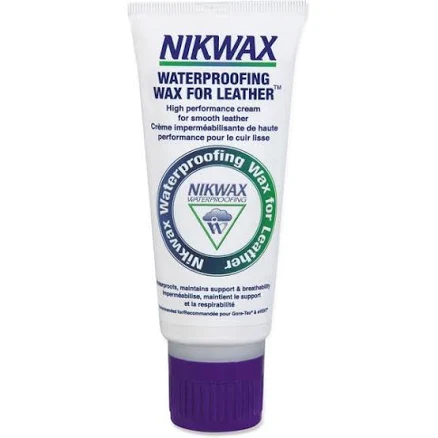
Nikwax
Waterproofing Wax for Leather
- wax-based waterproofing
- The brand calls it PFAS-free, which we have not verified
- Respiratory irritation or fume inhalation during application
2 hazards checked on this product. See all of them.
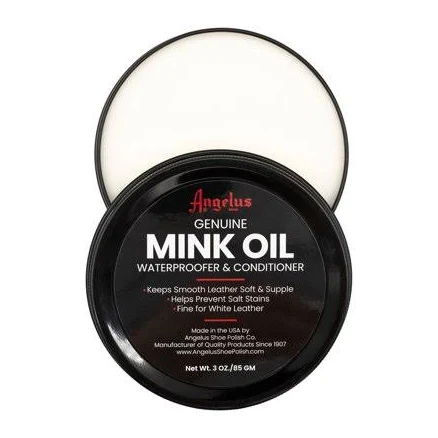
Angelus
Mink Oil Paste Leather Waterproofer and Contitioner 3 oz
- mink oil paste, natural oil-based conditioner
- We found no PFAS statement from the brand
- Microbial growth (natural oil rancidity)
2 hazards checked on this product. See all of them.
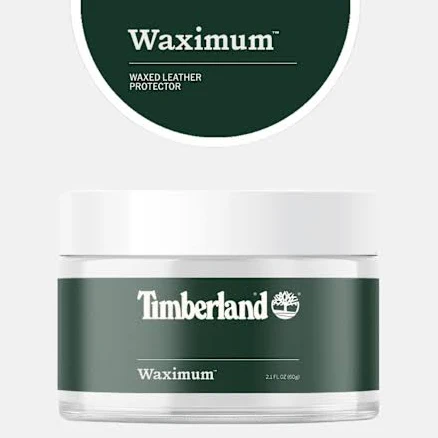
Timberland
Waximum Waxed Leather Protector
- Wax-based leather protector
- We found no PFAS statement from the brand
- Volatile organic compounds (VOCs) from solvents
3 hazards checked on this product. See all of them.
More fabric stain guard sprays grades
How we score, every product runs through the same public 0-100 rubric based on materials, coatings, brand disclosure, lab findings, and recalls. See the full methodology → Spotted a mistake? Report an error.