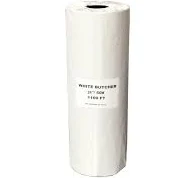
· Grease-Resistant Butcher & Deli Paper
Butcher Paper White Roll 24" / 50# 1100 Ft
Lower concern; butcher paper typically uses PE or wax instead of PFAS coatings.
This kraft paper uses PE or wax coating rather than treatments requiring PFAS. The brand provides no PFAS disclosure information.
The better-graded swap
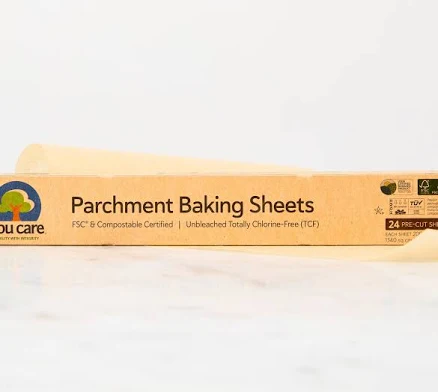
If You Care
If You Care Parchment Baking Paper
90/100 safety
Same rubric that flunked this product. The swap earned Excellent.
Still want this one anyway? Check the price on Amazon. We’d swap it.
Material
bleached kraft paper, unbleached kraft base, PE/wax coating
Brand disclosure
Brand is silent on PFAS
Lab data
No public lab test
You may also be interested in
Top-graded picks in the categories readers replace first, every one scored on the same rubric.

- polypropylene filter housing, carbon/sediment cartridge
- We found no PFAS statement from the brand
- Bacterial growth in spent cartridges
3 hazards checked on this product, all on its full breakdown.

Aquasure
Premier Series 75 GPD Under Sink Reverse Osmosis Water Filtration System
- RO membrane, carbon filters, stainless steel housing
- We found no PFAS statement from the brand
- Bacterial and microbial growth in housing and filters
4 hazards checked on this product, all on its full breakdown.

Avocado
Vegan Mattress
- organic cotton, natural latex, coconut coir, recycled steel coils
- The brand calls it PFAS-free, which we have not verified
- Heavy metals
2 hazards checked on this product, all on its full breakdown.
What Butcher Paper White Roll 24" / 50# 1100 Ft is made of, ingredients and materials
This product is bleached kraft paper (the white layer you see) laminated to unbleached kraft base, with a polyethylene or wax coating on the food-contact side. The PE or wax layer prevents grease and moisture transfer, which is why it does not require PFAS-based water/grease repellents common in some competitor papers. Bleaching agents used in kraft paper production are typically chlorine dioxide or oxygen-based, with residuals controlled at food-contact levels.
What’s concerning
Category baseline
The starting point for this type of product, before anything specific to this product is counted.
No PFAS disclosure
No public statement from the brand about PFAS in this product.
Waterproof / stain-resistant treatment
Water-repellent coating treatments have historically used PFAS.
Polyethylene (PE) or wax coating leaching at temperature
PE coatings can migrate into fatty or oily foods when heated above 60-70°C; wax coatings are inert but may degrade at high temperatures. Normal room-temperature storage and wrapping of ambient or chilled foods carries negligible risk.
Mold or bacterial growth if stored wet
Kraft paper absorbs moisture; if rolls are stored in humid or damp conditions, mold can grow on the uncoated base layer. Keep storage areas dry and sealed.
What’s reassuring
Bleach residues in kraft paper
Chlorine dioxide bleaching is FDA-approved for food-contact paper; residual chlorine is regulated and not documented as a hazard at approved levels. No specific recall or contamination record for butcher paper.
Microplastic or coating particle shedding
Butcher paper coatings are bonded; visible shedding would indicate defect and is not a typical concern with reputable commercial-grade paper. Inspect rolls for tears or damage before use.
Formaldehyde / VOCs
Kraft paper does not typically use formaldehyde resins or synthetic dyes in food-contact grades. No documented contamination or regulatory action against this product.
Source, ATSDR ↗How is this PFAS grade calculated?
The brand's record and disclosure
The brand is a major global food-packaging manufacturer with established food-safety certifications (FDA compliance, often FSC or SFI forest certifications). The company does not publicly highlight PFAS-free claims, but this product line is not documented as using PFAS coatings. No recalls or safety controversies specific to this butcher paper roll are recorded in public databases. For detailed ingredient transparency, contact directly, as technical data sheets are not always freely published.
How it compares in its category
Butcher paper rolls use PE and wax coatings, which are established alternatives to PFAS-based Teflon-family coating coatings used in some parchment or specialty wraps. Unbleached kraft alternatives exist but are less effective at grease barriers. This product's 50# weight and 1100-foot roll length are standard commercial-grade specs; quality is consistent across major brands in this category.
If you buy it
Use for wrapping raw and cooked meats, deli items, and baked goods below 150°C (300°F); PE coatings degrade if exposed to prolonged high heat or direct flame. Store rolls in cool, dry conditions away from direct sunlight to prevent wax bloom or PE degradation. Replace if the coating becomes visibly cracked, sticky, or discolored. Do not use in microwave ovens, as PE can leach into fatty foods at high temperatures; if microwaving, transfer contents to microwave-safe containers.
What is not known about PFAS in this product?
- Basis
- Model estimate, 62% confidence, not a lab result
- Lab test
- None on record for this exact product
- Brand statement
- has made none
Formulations change between production runs, so check the current label. How we grade.
What are the PFAS-free alternatives to Butcher Paper White Roll 24" / 50# 1100 Ft?
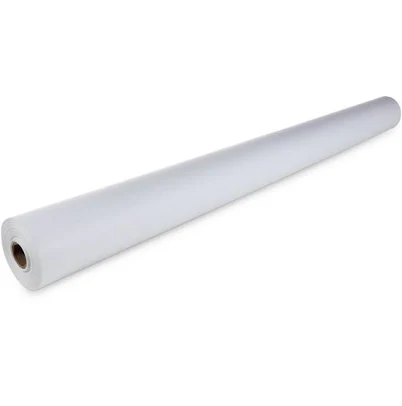
IDL Packaging
White Butcher Paper 18" x 12000" Natural Butcher Paper Roll for Meat and Fish
- unbleached natural kraft paper
- The brand calls it PFAS-free, which we have not verified
- Mold or microbial growth
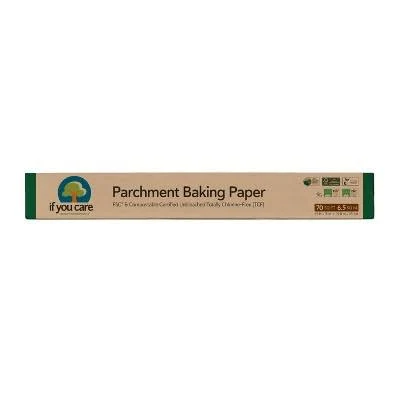
- unbleached parchment paper, silicone coating
- The brand calls it PFAS-free, which we have not verified
- Silicone coating degradation under heat stress
2 hazards checked on this product, all on its full breakdown.
- Silicone-coated parchment paper
- The brand calls it PFAS-free, which we have not verified
- Silicone coating degradation at high heat
More grease-resistant butcher & deli paper grades
How we score, every product runs through the same public 0-100 rubric based on materials, coatings, brand disclosure, lab findings, and recalls. See the full methodology → Spotted a mistake? Report an error.