
TrafficMaster · Carpets & Rugs
TrafficMASTER Truly Coffee Brown 12 ft. 16 oz. SD Polyester Texture Full Roll Carpet
Stain-resistant carpet likely treated with PFAS; no brand disclosure or third-party testing.
TrafficMASTER carpet is polyester with stain and water resistance treatments typical of commercial carpets. Interface does not disclose PFAS content or claim PFAS-free status.
The better-graded swap

TrafficMaster
TrafficMaster Mesa Boulder Beige Residential 18 x 18 in. Peel and Stick Carpet Tile Square
75/100 safety
Same rubric that flunked this product. The swap earned Excellent.
Still want this one anyway? Check the price on Amazon. We’d swap it.
Material
polyester carpet with stain/moisture resistant treatment
Brand disclosure
Brand is silent on PFAS
Lab data
No public lab test
You may also be interested in
Top-graded picks in the categories readers replace first, every one scored on the same rubric.

- polypropylene filter housing, carbon/sediment cartridge
- We found no PFAS statement from the brand
- Bacterial growth in spent cartridges
3 hazards checked on this product, all on its full breakdown.

Aquasure
Premier Series 75 GPD Under Sink Reverse Osmosis Water Filtration System
- RO membrane, carbon filters, stainless steel housing
- We found no PFAS statement from the brand
- Bacterial and microbial growth in housing and filters
4 hazards checked on this product, all on its full breakdown.

Avocado
Vegan Mattress
- organic cotton, natural latex, coconut coir, recycled steel coils
- The brand calls it PFAS-free, which we have not verified
- Heavy metals
2 hazards checked on this product, all on its full breakdown.
What TrafficMASTER Truly Full Roll Carpet is made of, ingredients and materials
This carpet is 100% polyester with a stain and moisture resistant finish applied during manufacturing. The 16 oz. weight and texture indicate a mid-range residential product. The stain treatment is the primary concern, Interface does not publicly disclose whether it uses PFAS-based or alternative chemistry, and independent testing of this specific product line is not on record. Polyester itself is stable when used normally, but the applied finishes are where chemical risks concentrate.
What’s concerning
Waterproof / stain-resistant treatment
Water-repellent coating treatments have historically used PFAS.
Category baseline
The starting point for this type of product, before anything specific to this product is counted.
No PFAS disclosure
No public statement from the brand about PFAS in this product.
Volatile organic compounds (VOCs) from stain/moisture treatment
Polyester carpets with applied finishes typically off-gas aldehydes, toluene, and other VOCs for weeks after installation. Interface does not provide VOC emissions data for this product line, so actual burden cannot be quantified, but the presence of a stain treatment on a synthetic fiber strongly suggests release.
Flame retardants
Residential polyester carpet often includes brominated or chlorinated flame retardants to meet flammability standards. This product's technical specifications do not disclose flame retardant type. If present, these are typically bound in the fiber but can migrate to dust over years.
Source, EPA ↗Formaldehyde / VOCs
Polyester carpet backings and installation adhesives may contain formaldehyde-releasing resins. Interface does not disclose backing chemistry for this product. Risk is highest in the first 1-2 weeks post-installation and in poorly ventilated spaces.
Source, ATSDR ↗Microplastic shedding from wear and vacuum damage
All polyester carpets shed fibers over time; vacuuming accelerates this process. Shed microplastics accumulate in household dust and can be inhaled. A 12 ft. roll in a high-traffic area will shed noticeably within 2-3 years, particularly at seams and edges.
Mold and bacterial growth if moisture-damaged
Despite stain resistance, carpet backing and subfloor remain vulnerable to moisture intrusion from spills, humidity, or floods. Once saturated, polyester carpet and latex/urethane backings support mold growth within 24-48 hours if not dried quickly, releasing spores and mycotoxins.
How is this PFAS grade calculated?
The brand's record and disclosure
Interface is a large commercial carpet manufacturer with a sustainability reputation, but their PFAS disclosure is silent. They do not publish ingredient lists for stain treatments on residential products, and no third-party certifications (like Cradle to Cradle or GreenGuard Gold) are listed for this line. The brand's silence on PFAS in stain-resistant carpet, despite industry-wide awareness of the issue since ~2018, suggests either lack of testing or lack of transparency. No recalls or safety incidents specific to this product are on record.
How it compares in its category
Most polyester residential carpet in this price tier uses stain treatments of unknown chemistry. This product is typical, not outlying. Premium alternatives (certified low-VOC or PFAS-free treatments) exist but cost 30-50% more. Budget options often use similar or lower-quality finishes. If PFAS exposure is a concern, this product offers no competitive advantage; if it is not a concern for your household, this carpet sits in the middle of the residential market in terms of chemical transparency.
If you buy it
Ventilate the space well during and for 48-72 hours after installation; off-gassing of treatment chemicals and adhesives is most active in the first week. Avoid placing in high-humidity rooms (basements, bathrooms) where moisture can activate or degrade the coating, potentially increasing leachate. Vacuum regularly with a HEPA filter to reduce dust and embedded particles. Replace within 8-10 years or sooner if staining or matting becomes severe, as coating degradation over time may increase VOC release.
What is not known about PFAS in this product?
- Basis
- Model estimate, 35% confidence, not a lab result
- Lab test
- None on record for this exact product
- Brand statement
- TrafficMaster has made none
Formulations change between production runs, so check the current label. How we grade.
What are the PFAS-free alternatives to TrafficMASTER Truly Coffee Brown 12 ft. 16 oz. SD Polyester Texture Full Roll Carpet?
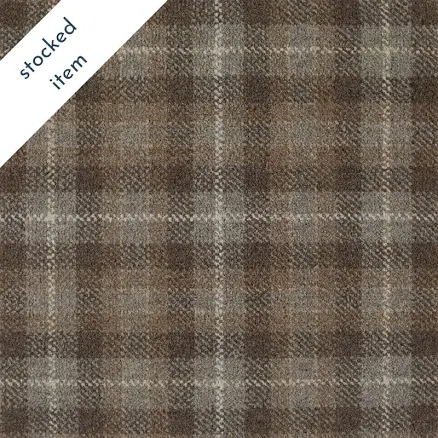
- wool plaid, Axminster weave
- We found no PFAS statement from the brand
- Formaldehyde / VOCs
4 hazards checked on this product, all on its full breakdown.

- polyester fiber, untreated
- We found no PFAS statement from the brand
- Formaldehyde / VOCs
4 hazards checked on this product, all on its full breakdown.
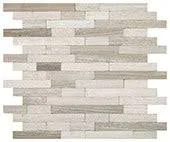
- Ceramic tile, porcelain, or stone composite
- We found no PFAS statement from the brand
- Volatile Organic Compounds (VOCs) from installation adhesives and grout
4 hazards checked on this product, all on its full breakdown.
More carpets & rugs grades
How we score, every product runs through the same public 0-100 rubric based on materials, coatings, brand disclosure, lab findings, and recalls. See the full methodology → Spotted a mistake? Report an error.