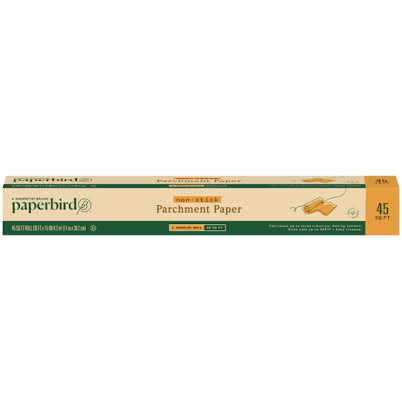
Paperbird · Grease-Resistant Butcher & Deli Paper
Paperbird Parchment Paper
Parchment paper may contain PFAS in grease-resistant coating. Ask the brand.
Parchment paper typically uses silicone or hydrocarbon coatings, though grease-resistant formulations may contain PFAS. The brand has not disclosed PFAS status.
The better-graded swap
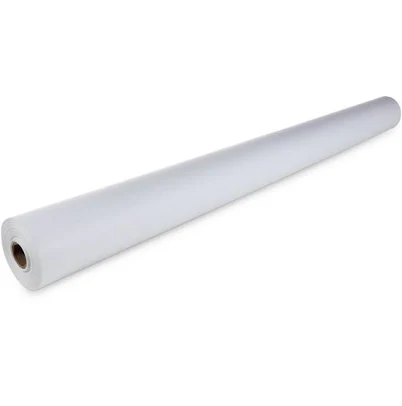
IDL Packaging
Idl Packaging White Butcher Paper 18" x 12000" Natural Butcher Paper Roll for Meat and Fish
95/100 safety
Same rubric that flunked this product. The swap earned Excellent.
Still want this one anyway? Check the price on Amazon. We’d swap it.
Material
parchment paper, silicone or non-silicone release coating
Brand disclosure
Brand is silent on PFAS
Lab data
No public lab test
You may also be interested in
Top-graded picks in the categories readers replace first, every one scored on the same rubric.

- polypropylene filter housing, carbon/sediment cartridge
- We found no PFAS statement from the brand
- Bacterial growth in spent cartridges
3 hazards checked on this product, all on its full breakdown.

Aquasure
Premier Series 75 GPD Under Sink Reverse Osmosis Water Filtration System
- RO membrane, carbon filters, stainless steel housing
- We found no PFAS statement from the brand
- Bacterial and microbial growth in housing and filters
4 hazards checked on this product, all on its full breakdown.

Avocado
Vegan Mattress
- organic cotton, natural latex, coconut coir, recycled steel coils
- The brand calls it PFAS-free, which we have not verified
- Heavy metals
2 hazards checked on this product, all on its full breakdown.
What Paperbird Parchment Paper is made of, ingredients and materials
Parchment paper is cellulose-based (wood pulp) treated with a release coating to prevent food sticking. The coating is typically either silicone or fluorocarbon-based (Teflon-type coating-like compounds). Silicone coatings are generally inert at moderate oven temperatures (up to 420F); fluorocarbon coatings carry risk of PFAS migration into fatty foods and potential thermal breakdown above 500F. Intermark's specific formulation is not publicly disclosed, creating uncertainty about which coating technology is used.
What’s concerning
Category baseline
The starting point for this type of product, before anything specific to this product is counted.
No PFAS disclosure
No public statement from the brand about PFAS in this product.
Waterproof / stain-resistant treatment
Water-repellent coating treatments have historically used PFAS.
PFAS
Parchment paper coating may contain PFAS compounds used for water and grease resistance. Intermark has not disclosed coating chemistry or provided PFAS testing. Risk is highest with fatty foods and high heat; silicone-coated alternatives present lower risk.
Source, ATSDR ↗Thermal degradation of release coating
If coating is fluorocarbon-based, oven temperatures above 500F may cause degradation and potential fume release or coating particle shedding. Standard parchment use (under 420F) presents minimal risk, but broiler or pizza-stone applications should be avoided.
Microplastics
Repeated use, crumpling, or damage to the paper can release small particles of the coating into food. This is not unique to Intermark but is a general parchment paper concern; visual inspection before each use mitigates risk.
Source, EPA ↗What’s reassuring
Chlorine residue or bleaching byproducts
No public record of chlorine-related processing concerns for Paperbird parchment. Most mass-market parchment undergoes standard wood-pulp bleaching; residues are typically below regulatory limits. Intermark does not advertise chlorine-free status, but absence of disclosure does not indicate presence of hazard.
Ink or printing residue migration
Paperbird parchment paper carries no known issues with printed labels or branding. Modern food-contact printing inks are regulated; risk is minimal for standard use. No recalls or reports of ink migration for this brand are on record.
How is this PFAS grade calculated?
The brand's record and disclosure
Intermark is a packaging supplier with limited public transparency on material sourcing and chemical composition. No certifications (such as FDA compliance statements or third-party PFAS testing) appear in readily available product documentation. The brand has not issued public statements addressing PFAS concerns in its parchment paper line, which is typical for mid-tier suppliers. This silence is a disclosure gap rather than evidence of safety, but it prevents independent verification.
How it compares in its category
Parchment paper as a category has lower concern for occasional use; concern arises when coating sources are unclear or when used at very high temperatures repeatedly. Brands like If You Care (chlorine-free, often silicone-based) and some store brands publish more detailed material specs. Intermark's Paperbird line is competitively priced but offers less transparency than premium alternatives. For consumers prioritizing certainty, certified chlorine-free or PFAS-tested brands provide more assurance.
If you buy it
Use at temperatures below 420F to minimize coating stress. Avoid prolonged contact with very fatty foods (oils, butters, fatty meats) as these may increase PFAS migration if the coating is fluorocarbon-based. Replace sheets if visible damage, discoloration, or separation appears. Store in a cool, dry location; do not leave unused rolls in direct sunlight. Contact Intermark directly to request coating type and PFAS testing data; if they cannot provide it, consider switching brands for frequent use.
What is not known about PFAS in this product?
- Basis
- Model estimate, 45% confidence, not a lab result
- Lab test
- None on record for this exact product
- Brand statement
- Paperbird has made none
Formulations change between production runs, so check the current label. How we grade.
What are the PFAS-free alternatives to Paperbird Parchment Paper?
IDL Packaging
White Butcher Paper 18" x 12000" Natural Butcher Paper Roll for Meat and Fish
- unbleached natural kraft paper
- The brand calls it PFAS-free, which we have not verified
- Mold or microbial growth
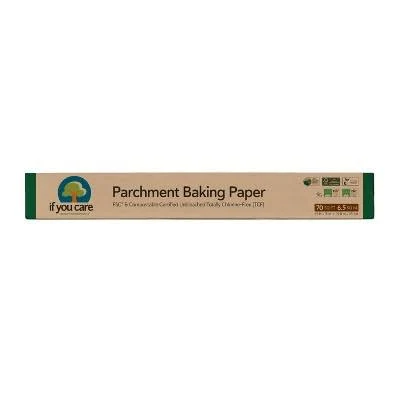
- unbleached parchment paper, silicone coating
- The brand calls it PFAS-free, which we have not verified
- Silicone coating degradation under heat stress
2 hazards checked on this product, all on its full breakdown.
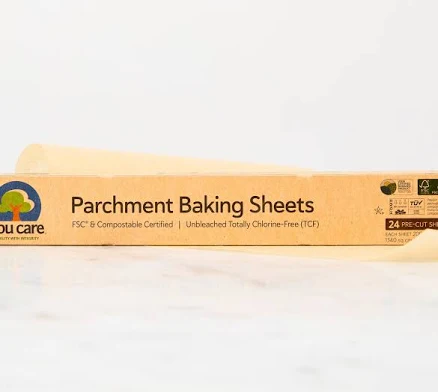
- Silicone-coated parchment paper
- The brand calls it PFAS-free, which we have not verified
- Silicone coating degradation at high heat
More grease-resistant butcher & deli paper grades
How we score, every product runs through the same public 0-100 rubric based on materials, coatings, brand disclosure, lab findings, and recalls. See the full methodology → Spotted a mistake? Report an error.