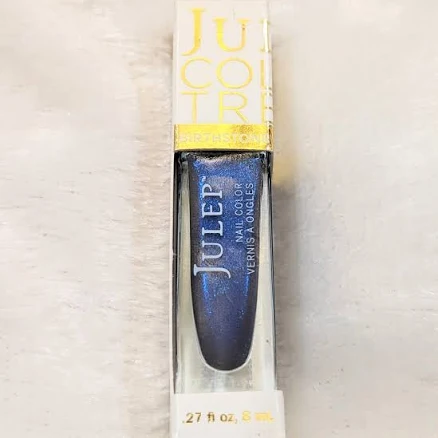
Julep · Nail Polish & Top Coat
Julep Color Treat Birthstone Collection Nail Polish
Lower risk cosmetic, though Julep lacks any PFAS transparency.
This standard nail lacquer formula carries lower PFAS risk than water-resistant products. Yet Julep remains silent on PFAS content and no public testing exists for this line.
The better-graded swap
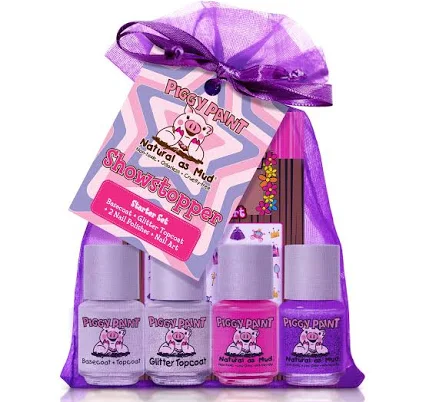
Piggy Paint
Piggy Paint Showstopper Nail Polish Set
100/100 safety
Same rubric that flunked this product. The swap earned Excellent.
Still want this one anyway? Check the price on Amazon. We’d swap it.
Material
nitrocellulose, resins, plasticizers (standard nail lacquer)
Brand disclosure
Brand is silent on PFAS
Lab data
No public lab test
Is Julep Color Treat Birthstone Collection non-toxic? What it is made of
Julep Color Treat is a conventional nitrocellulose-based nail lacquer, the industry standard formulation. It contains resins and plasticizers (likely dibutyl phthalate or alternatives not disclosed by Julep) to achieve durability and flexibility. The Birthstone Collection appears to be a decorative line without special treatment claims, so it carries the same chemical profile as typical salon-quality polish. Nitrocellulose and its solvents pose inhalation risks during application, but this is inherent to the category, not a Julep-specific liability.
What’s concerning
Category baseline
The starting point for this type of product, before anything specific to this product is counted.
No PFAS disclosure
No public statement from the brand about PFAS in this product.
Volatile Organic Compounds (VOC) / Solvent inhalation
Nitrocellulose lacquers inherently release toluene, xylene, and acetone during application and drying. Julep does not disclose solvent profile or VOC limits; exposure risk is standard for the category but cumulative with frequent use.
Phthalates
Conventional nail lacquers often use dibutyl phthalate (DBP) or di-isononyl cyclohexane-1,2-dicarboxylate (DINCH) as plasticizers. Julep does not publicly confirm phthalate-free status, so DBP cannot be ruled out without independent testing.
Source, ATSDR ↗Lead
Decorative polish lines like Birthstone Collection may use synthetic or mineral-based colorants. Lead and cadmium are banned in some jurisdictions but enforcement for imported nail lacquers remains weak. Julep does not disclose pigment sourcing or heavy-metal testing.
Source, ATSDR ↗Nail plate damage from prolonged contact
Chronic use of any standard nitrocellulose lacquer without proper base coat can stain and weaken nails. This is user-practice dependent, not unique to Julep, but the brand does not emphasize protective base coat use.
What’s reassuring
Base material not linked to PFAS
The main material recorded for this product is not one associated with PFAS.
Formaldehyde / VOCs
No evidence that Julep Color Treat lacquers contain formaldehyde or releasers. This hazard is more common in hardening top coats or ridge-filling base coats, not color polish, but Julep provides no ingredient transparency to confirm.
Source, ATSDR ↗The full breakdown
The brand's record and disclosure
Julep has no published third-party safety certifications, banned-substance lists, or PFAS commitments on record. The brand does not publicly disclose phthalate content or reformulation history. No significant product recalls or safety controversies have been established in mainstream sources. Julep positions itself as a mainstream prestige brand but remains opaque on chemical disclosure relative to leaders like Ella+Mila or Zoya.
How it compares in its category
Julep sits in the middle-to-upper tier of conventional nail polish. It lacks the transparency and third-party vetting of 'clean' brands (Zoya, Ella+Mila, Butter London's reformulated line) but avoids the quality and sourcing concerns of ultra-budget mass-market labels. The Birthstone Collection carries no claimed reformulations or safety upgrades, so it should be treated as a standard lacquer, not a premium or specialty product.
If you buy it
Apply in well-ventilated areas to minimize inhalation of solvent vapors. Avoid prolonged skin contact with wet lacquer; wash hands immediately after application. Replace polish every 12-18 months or if it becomes thick, separates, or develops an off odor, as degraded formulations may leach more readily. Do not use as a base coat without a proper base coat product, as direct lacquer-to-nail can stain and weaken the nail plate over time.
What we don’t know
- Basis
- Model estimate, 45% confidence, not a lab result
- Lab test
- None on record for this exact product
- Brand statement
- Julep has made none
Formulations change between production runs, so check the current label. How we grade.
Better-graded alternatives in Nail Polish & Top Coat
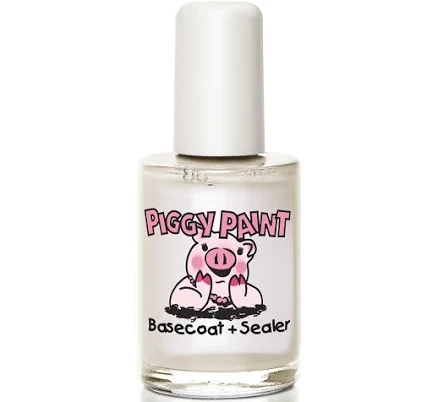
Piggy Paint
Basecoat & Sealer Nail Polish
- Water-based organic pigments and plant-derived resins
- The brand calls it PFAS-free, which we have not verified
- Heavy metals
3 hazards checked on this product. See all of them.
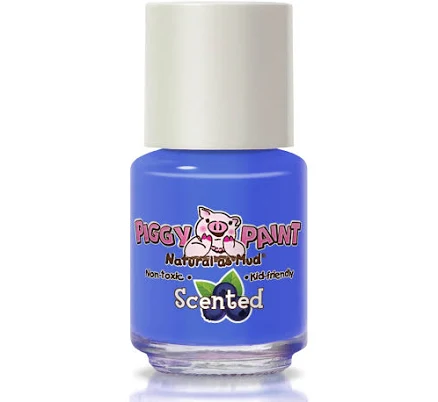
Piggy Paint
Nail Polish Piggy Paint
- water-based pigmented lacquer
- The brand calls it PFAS-free, which we have not verified
- Volatile organic compounds (VOCs) from resins and solvents
3 hazards checked on this product. See all of them.
Piggy Paint
Showstopper Nail Polish Set
- organic pigments, plant-based resins, water-based lacquer
- The brand calls it PFAS-free, which we have not verified
- Volatile organic compounds (VOCs)
2 hazards checked on this product. See all of them.
More nail polish & top coat grades
How we score, every product runs through the same public 0-100 rubric based on materials, coatings, brand disclosure, lab findings, and recalls. See the full methodology → Spotted a mistake? Report an error.