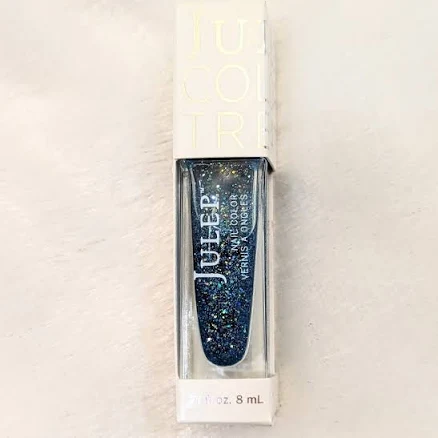
Julep · Nail Polish & Top Coat
Julep Nail Color Polish
Insufficient transparency; nail polish is rarely a PFAS risk category, but Julep makes no public disclosure.
Julep nail polish is a traditional cosmetic lacquer with no well-documented PFAS use in standard formulations. However, Julep doesn't publicly disclose ingredients or PFAS testing, and no third-party certifications are evident.
The better-graded swap
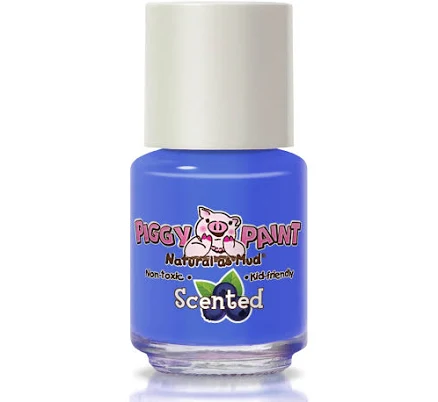
Piggy Paint
Nail Polish Piggy Paint
100/100 safety
Same rubric that flunked this product. The swap earned Excellent.
Still want this one anyway? Check the price on Amazon. We’d swap it.
Material
nail polish lacquer (film-forming resin blend)
Brand disclosure
Brand is silent on PFAS
Lab data
No public lab test
Is Julep Nail Color Polish non-toxic? What it is made of
Julep Nail Color Polish is a solvent-based lacquer system, film-forming resins (typically nitrocellulose or acrylics), plasticizers (dibutyl phthalate or alternatives), and volatile organic solvents (toluene, xylene, or reformulated blends). The resin cross-links on exposure to air, creating a hard coating on the nail plate. Nail polish sits on a non-porous, dead tissue surface, so dermal absorption is minimal; the primary exposure route is inhalation of solvents during application and drying.
What’s concerning
Category baseline
The starting point for this type of product, before anything specific to this product is counted.
No PFAS disclosure
No public statement from the brand about PFAS in this product.
Volatile organic solvents (toluene, xylene, n-butyl acetate)
Typical nail lacquers contain these solvents at 40-50% by weight. Acute inhalation during application can cause dizziness or headache; chronic occupational exposure (e.g., salon workers) poses neurological risk. Julep has not published solvent reduction claims or alternatives, indicating likely standard formulation.
Phthalates
DBP is a common plasticizer in nail polish resins to prevent brittleness. The US banned DBP from cosmetics in 2003, but legacy formulations and imports may retain it. Julep's ingredient disclosure does not explicitly confirm phthalate-free status; this is standard industry opacity.
Source, ATSDR ↗Formaldehyde / VOCs
Some nail lacquers use formaldehyde-containing resins to harden the film. Exposure is primarily inhalation during application. Julep does not claim formaldehyde-free formulation on available materials.
Source, ATSDR ↗Nail plate degradation and microcrack formation from coating wear and solvent exposure
Repeated solvent exposure and frequent polish-removal cycles can weaken the nail plate over time. This is not a toxicological hazard but a structural risk; proper removal technique and intermittent breaks reduce incidence.
What’s reassuring
Base material not linked to PFAS
The main material recorded for this product is not one associated with PFAS.
Lead
No recalls or test results on record for Julep polish. Nail polish pigments are typically synthetic organics or approved colorants (e.g., CI 19140). Risk is low relative to cosmetics applied to skin, but third-party testing would clarify.
Source, ATSDR ↗The full breakdown
The brand's record and disclosure
Julep markets itself as a clean beauty brand and has published ingredient lists for most formulations, but does not explicitly disclose PFAS status, heavy metal testing, or third-party certification on their website or product packaging. The brand has not faced public recalls or safety controversies on record. Julep does not advertise compliance with strict formulation standards (e.g., 10-Free, 13-Free) in the way some competitors do, which limits verifiable safety claims.
How it compares in its category
Nail polish is one of the least regulated cosmetic categories in the US; FDA enforcement is minimal. Julep sits in the mid-market clean beauty segment, competing with brands like Zoya and Essie. Unlike some ultra-premium brands, Julep does not highlight solvent reduction (e.g., 7-Free formulation) as a marketing point, suggesting standard solvent loads. Formulation transparency is better than mass-market brands but less rigorous than certified organic alternatives.
If you buy it
Apply in well-ventilated areas or outdoors to minimize solvent inhalation during the 2-5 minute drying window. Avoid prolonged nail soaking or exposure to acetone removers, which can strip the nail plate; use gentler non-acetone removers if possible. Reapply every 5-7 days if color chipping occurs; prolonged wear increases microcrack risk and potential cuticle irritation. Store in a cool, dark place away from children to prevent accidental ingestion.
What we don’t know
- Basis
- Model estimate, 35% confidence, not a lab result
- Lab test
- None on record for this exact product
- Brand statement
- Julep has made none
Formulations change between production runs, so check the current label. How we grade.
Better-graded alternatives in Nail Polish & Top Coat
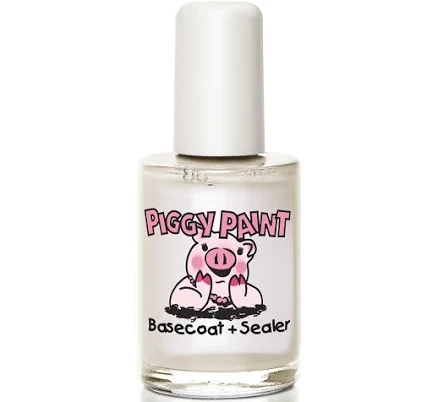
Piggy Paint
Basecoat & Sealer Nail Polish
- Water-based organic pigments and plant-derived resins
- The brand calls it PFAS-free, which we have not verified
- Heavy metals
3 hazards checked on this product. See all of them.
Piggy Paint
Nail Polish Piggy Paint
- water-based pigmented lacquer
- The brand calls it PFAS-free, which we have not verified
- Volatile organic compounds (VOCs) from resins and solvents
3 hazards checked on this product. See all of them.
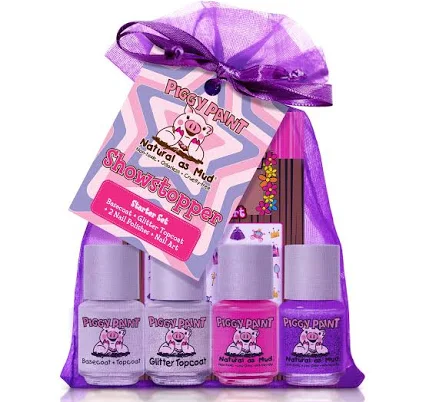
Piggy Paint
Showstopper Nail Polish Set
- organic pigments, plant-based resins, water-based lacquer
- The brand calls it PFAS-free, which we have not verified
- Volatile organic compounds (VOCs)
2 hazards checked on this product. See all of them.
More nail polish & top coat grades
How we score, every product runs through the same public 0-100 rubric based on materials, coatings, brand disclosure, lab findings, and recalls. See the full methodology → Spotted a mistake? Report an error.