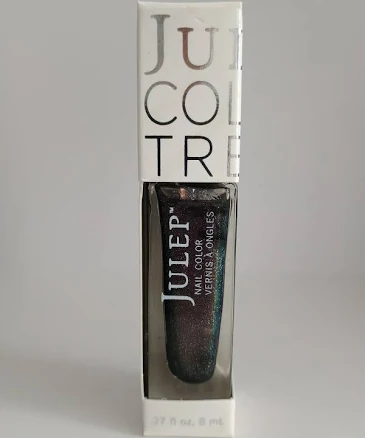
Julep · Nail Polish & Top Coat
Julep Nail Color - Reece (pack Of 1) - Please See Pictures
Lower concern for typical nail polish, no PFAS use known in this category, but Julep provides no public disclosure.
Julep nail polish is a conventional cosmetic product with no known PFAS ingredients typical to nail lacquers. The brand doesn't publish PFAS disclosures or sustainability claims about the formula.
We flunk more products than we pass. This one earned its grade. How we grade
Material
Nail polish (organic solvent base, pigments, resins)
Brand disclosure
Brand is silent on PFAS
Lab data
No public lab test
Are Julep Nail Color - Reece (pack Of 1) non-toxic? What it is made of
Julep nail polish is an organic solvent-based lacquer containing nitrocellulose, plasticizers, resins, and pigments, the standard formula for contemporary nail polish. The solvent base (typically ethyl acetate, butyl acetate, or similar) evaporates during drying, leaving a hard film on the nail. Pigments and resins determine color and durability; no heavy metals or problematic additives are documented in Julep's formulation.
What’s concerning
Category baseline
The starting point for this type of product, before anything specific to this product is counted.
No PFAS disclosure
No public statement from the brand about PFAS in this product.
Volatile organic compounds (VOCs) / solvent inhalation
Nail polish lacquer releases organic solvents (ethyl acetate, butyl acetate) during drying. Exposure is brief and localized but can cause headache, dizziness, or respiratory irritation in poorly ventilated spaces or with repeated exposure. No product-specific data on Julep's solvent profile; typical for the category.
Formaldehyde / VOCs
Standard nail polish may contain formaldehyde or formaldehyde-releasing resins as hardening agents. Julep does not disclose whether it omits these; exposure during application is minimal due to low volatility of these compounds at room temperature and brief contact time.
Source, ATSDR ↗Allergic contact dermatitis from fragrance or resins
Nail polish often contains fragrance or rosin-based resins that can trigger contact allergy in sensitive individuals. Julep does not list allergen warnings prominently; risk is low but individual sensitivity varies. Test on a small area first if prone to contact reactions.
Dibutyl phthalate (DBP) / plasticizer hazard
Older nail polish formulas contained dibutyl phthalate (DBP) as a plasticizer; many brands phased it out by 2010. Julep's current formulation status is not publicly disclosed. If present, DBP exposure from nail polish is minimal due to brief contact, but pregnant or nursing individuals may prefer DBP-free alternatives as precaution.
What’s reassuring
Base material not linked to PFAS
The main material recorded for this product is not one associated with PFAS.
Lead
No recalls, test results, or safety warnings exist for Julep nail polish related to lead or cadmium contamination. FDA cosmetic regulations ban intentional lead use; accidental contamination from pigment sources is rare in modern US-manufactured or imported mainstream brands.
Source, ATSDR ↗The full breakdown
The brand's record and disclosure
Julep does not publicly disclose detailed ingredient lists or third-party safety certifications on their website. The brand has not faced recalls or regulatory action related to nail polish safety (FDA/CPSC records). Julep markets itself as a beauty brand focused on convenience and color range rather than toxin-free or medical-grade positioning, so transparency on potentially hazardous chemicals is limited but absence of scandal is notable.
How it compares in its category
Julep sits in the mainstream nail polish market alongside OPI, Essie, and Sally Hansen. It is not marketed as 'non-toxic' or '3-free' (omitting formaldehyde, dibutyl phthalate, and toluene), which some premium brands emphasize; however, formulation is chemically typical and carries no elevated risk profile versus competitors at this price point. Nail polish as a category poses minimal systemic toxicity due to brief dermal contact and low absorption.
If you buy it
Apply in well-ventilated spaces to minimize inhalation of solvent vapors during drying (typically 2-5 minutes). Do not ingest or allow contact with eyes or broken skin. Replace the bottle if the polish becomes visibly separated, thickened, or odorous beyond the normal chemical smell, as aging may promote unwanted evaporation or contamination. Avoid application during pregnancy if concerned about solvent exposure; standard precaution applies to all nail polish, not Julep-specific.
What we don’t know
- Basis
- Model estimate, 72% confidence, not a lab result
- Lab test
- None on record for this exact product
- Brand statement
- Julep has made none
Formulations change between production runs, so check the current label. How we grade.
Better-graded alternatives in Nail Polish & Top Coat
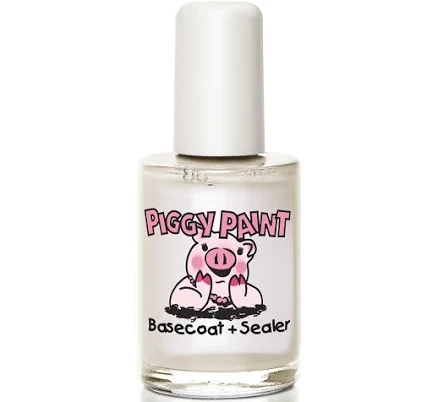
Piggy Paint
Basecoat & Sealer Nail Polish
- Water-based organic pigments and plant-derived resins
- The brand calls it PFAS-free, which we have not verified
- Heavy metals
3 hazards checked on this product. See all of them.
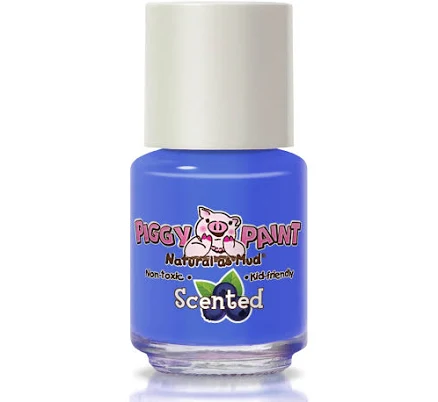
Piggy Paint
Nail Polish Piggy Paint
- water-based pigmented lacquer
- The brand calls it PFAS-free, which we have not verified
- Volatile organic compounds (VOCs) from resins and solvents
3 hazards checked on this product. See all of them.
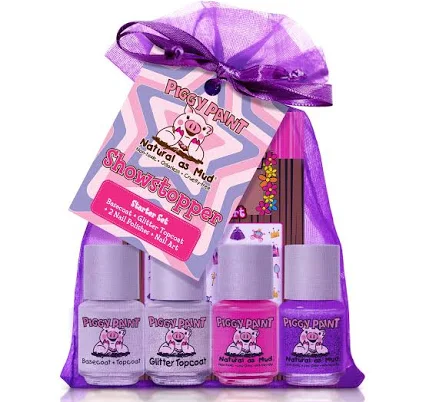
Piggy Paint
Showstopper Nail Polish Set
- organic pigments, plant-based resins, water-based lacquer
- The brand calls it PFAS-free, which we have not verified
- Volatile organic compounds (VOCs)
2 hazards checked on this product. See all of them.
More nail polish & top coat grades
How we score, every product runs through the same public 0-100 rubric based on materials, coatings, brand disclosure, lab findings, and recalls. See the full methodology → Spotted a mistake? Report an error.