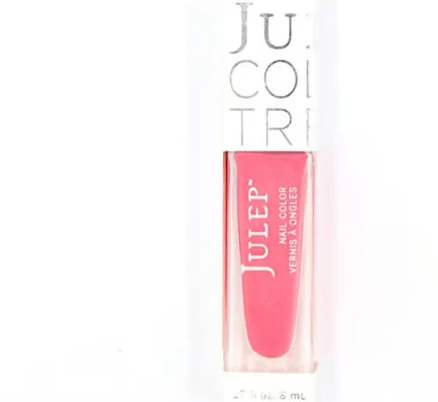
Julep · Nail Polish & Top Coat
Julep Nail Polish - Choose Your Color
Insufficient transparency; standard nail polish formulations rarely disclose PFAS use but present unknown risk.
Julep doesn't publicly disclose PFAS-related information on their nail polish. Standard nail polish typically contains nitrocellulose and resins, but PFAS presence depends on specific formulation additives and coatings not publicly detailed by the brand.
The better-graded swap
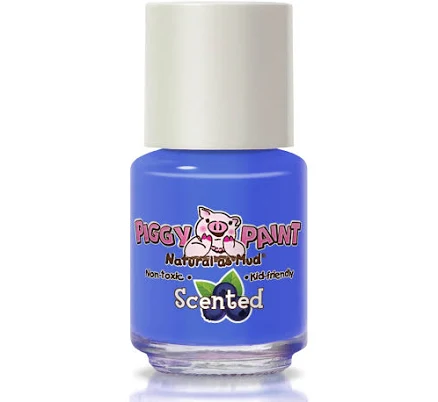
Piggy Paint
Nail Polish Piggy Paint
100/100 safety
Same rubric that flunked this product. The swap earned Excellent.
Still want this one anyway? Check the price on Amazon. We’d swap it.
Material
Nail polish (typical, nitrocellulose, plasticizers, resins, solvents)
Brand disclosure
Brand is silent on PFAS
Lab data
No public lab test
Is Julep Nail Polish - Choose Your Color non-toxic? What it is made of
Julep nail polish is a typical lacquer formulation based on nitrocellulose (film-former), plasticizers (usually dibutyl phthalate or alternatives), resins, and volatile organic solvents (toluene, xylene, ethyl acetate). These solvents evaporate during and after application, which is the primary exposure route. The plasticizers remain in the dried film on the nail and do not transfer to skin under normal use.
What’s concerning
Category baseline
The starting point for this type of product, before anything specific to this product is counted.
No PFAS disclosure
No public statement from the brand about PFAS in this product.
Volatile organic solvents (toluene, xylene, ethyl acetate) - inhalation risk
Julep's 5-free claim excludes toluene and xylene, but full solvent composition is not disclosed. Acute exposure during application causes dizziness, headache, and respiratory irritation in poorly ventilated spaces; chronic low-level exposure has not been definitively linked to harm at typical consumer use levels, but occupational studies in nail salons show risk with cumulative exposure.
Fragrance allergens and sensitizers
Julep polishes contain fragrance compounds to mask solvent odor. Full fragrance disclosure is not provided. Individuals with fragrance sensitivities or respiratory conditions may experience irritation; dermal allergy is rare but possible with prolonged or repeated contact on skin.
What’s reassuring
Base material not linked to PFAS
The main material recorded for this product is not one associated with PFAS.
Plasticizers (dibutyl phthalate substitutes) - dermal contact
Julep excludes dibutyl phthalate and likely uses alternatives such as diethyl phthalate or non-phthalate plasticizers. No safety incidents reported for Julep formulations. Dried polish on nails does not leach into skin under normal wear; risk is negligible unless polish is ingested or applied to broken skin.
Formaldehyde / VOCs
Julep's 5-free certification explicitly excludes formaldehyde. No formaldehyde or formaldehyde resin hardeners are documented in this product line; residual risk is minimal.
Source, ATSDR ↗Lead
No testing or recalls for metal contamination in Julep polish have been reported. Most modern nail polish manufacturers source colorants from regulated suppliers; risk is low but unverified by public data for this brand.
Source, ATSDR ↗The full breakdown
The brand's record and disclosure
Julep does not publicly disclose full ingredient lists, solvent composition, or independent safety certifications. The brand markets itself as '5-free' (excluding formaldehyde, dibutyl phthalate, toluene, camphor, xylene) but does not provide third-party verification or detailed ingredient transparency. No recalls or health incidents have been reported in public records for Julep nail polish.
How it compares in its category
Julep's claimed 5-free status places it mid-range in the modern nail polish market, where many brands now exclude the same chemicals. It is less transparent than brands offering 10-free or full ingredient disclosure (e.g., Ella+Mila, Zoya), but more committed than traditional formulations. Price and performance are comparable to mass-market alternatives.
If you buy it
Apply in well-ventilated areas to minimize solvent inhalation; use a fan or open windows during and for 30 minutes after application. Allow full drying (5-10 minutes) before touching other surfaces. Remove polish with acetone or non-acetone remover; acetone works faster but can dry skin. Reapply every 1-2 weeks as wear dictates. Do not ingest or apply near eyes or mucous membranes.
What we don’t know
- Basis
- Model estimate, 35% confidence, not a lab result
- Lab test
- None on record for this exact product
- Brand statement
- Julep has made none
Formulations change between production runs, so check the current label. How we grade.
Better-graded alternatives in Nail Polish & Top Coat
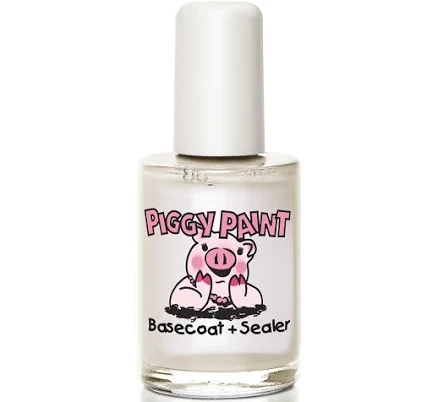
Piggy Paint
Basecoat & Sealer Nail Polish
- Water-based organic pigments and plant-derived resins
- The brand calls it PFAS-free, which we have not verified
- Heavy metals
3 hazards checked on this product. See all of them.
Piggy Paint
Nail Polish Piggy Paint
- water-based pigmented lacquer
- The brand calls it PFAS-free, which we have not verified
- Volatile organic compounds (VOCs) from resins and solvents
3 hazards checked on this product. See all of them.
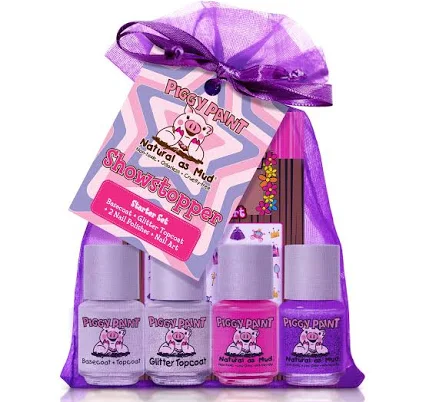
Piggy Paint
Showstopper Nail Polish Set
- organic pigments, plant-based resins, water-based lacquer
- The brand calls it PFAS-free, which we have not verified
- Volatile organic compounds (VOCs)
2 hazards checked on this product. See all of them.
More nail polish & top coat grades
How we score, every product runs through the same public 0-100 rubric based on materials, coatings, brand disclosure, lab findings, and recalls. See the full methodology → Spotted a mistake? Report an error.