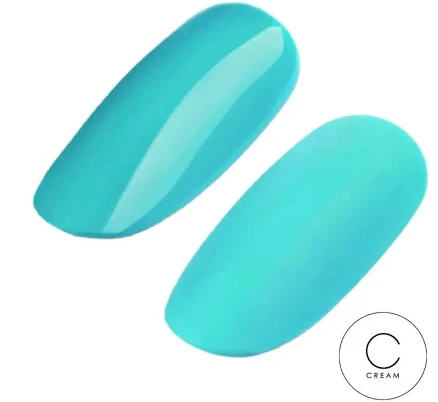
Julep · Nail Polish & Top Coat
Mint Julep Gel Polish #039
Avoid until Julep shares PFAS information or independent testing occurs.
Julep keeps their gel polish formula confidential, so you cannot determine if PFAS is present. Gel polishes may use fluorinated resins that could contain PFAS, though they are not required for the product to work.
The better-graded swap
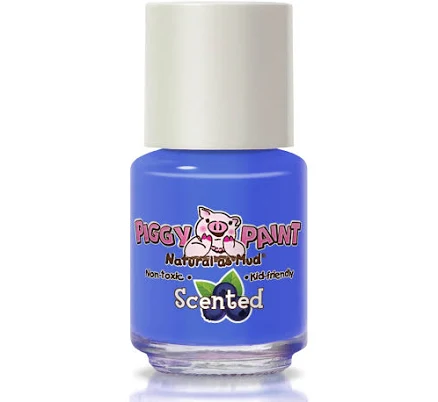
Piggy Paint
Nail Polish Piggy Paint
100/100 safety
Same rubric that flunked this product. The swap earned Excellent.
Still want this one anyway? Check the price on Amazon. We’d swap it.
Material
gel polish (acrylate resin base, pigments, solvents)
Brand disclosure
Brand is silent on PFAS
Lab data
No public lab test
Is Mint Julep Gel Polish #039 non-toxic? What it is made of
Mint Julep #039 is a gel polish based on acrylate oligomers and monomers, which harden under UV/LED light. The formula contains pigments (likely including synthetic colorants and mica for the mint shade), solvents, and photoinitiators to enable the curing process. Gel polishes release volatile organic compounds (VOCs) during application and curing, and the pigment package composition is not publicly detailed by Julep, making independent assessment of heavy metal content difficult.
What’s concerning
Category baseline
The starting point for this type of product, before anything specific to this product is counted.
No PFAS disclosure
No public statement from the brand about PFAS in this product.
Volatile organic compounds (VOCs) from solvents
Gel polishes release ethyl acetate, methyl methacrylate, and other solvents during application and curing. Inhalation exposure is documented in nail salon workers; consumer home use risk is lower but present, especially without ventilation.
Heavy metals
Mint and blue-green colorants may contain or be contaminated with nickel, cobalt, or lead compounds. Julep does not publish pigment sourcing or testing data, so presence cannot be ruled out or confirmed.
Source, FDA ↗Contact sensitization from acrylate monomers
Uncured gel polish contains reactive acrylate monomers that can cause allergic contact dermatitis with repeated exposure. Risk is highest for nail technicians and users with pre-existing acrylate sensitivity; consumers with intact skin barrier face lower but measurable risk.
Nail plate damage from removal method
Prolonged gel wear and acetone-based removal are associated with nail brittleness, peeling, and keratin loss. This is not a direct chemical hazard but a mechanical consequence of the product category; proper removal technique reduces risk.
Photoinitiator leachables under UV/LED curing
Gel polishes contain photoinitiators (often benzophenone derivatives) that activate under UV or LED light. Whether these compounds remain stable in the cured film or migrate to skin after curing is not disclosed by Julep and varies by formulation.
What’s reassuring
Base material not linked to PFAS
The main material recorded for this product is not one associated with PFAS.
The full breakdown
The brand's record and disclosure
Julep does not publicly disclose ingredient lists, PFAS status, or third-party safety certifications on their website or product labeling. The brand has no known recalls or safety controversies on record for this product line. Without formal disclosure or independent testing data, it is impossible to verify whether this specific polish meets any voluntary safety standards or contains restricted substances common in gel polishes.
How it compares in its category
Gel polishes as a category carry higher chemical exposure risk than traditional nail lacquers due to longer wear time, higher pigment concentration, and solvent volatility during application and removal (acetone soak). Julep does not differentiate itself through published safety claims or certifications that would place it above or below typical mass-market gel polish brands. Most competing brands (OPI, Essie Gel, Sally Hansen) also lack full transparency on PFAS and heavy metals, making category-wide comparison difficult.
If you buy it
Use only in well-ventilated spaces or with a nail technician's extraction fan to minimize solvent inhalation. Avoid prolonged skin contact with uncured gel; allow proper curing under the lamp. Remove with acetone soak rather than peeling, which can damage the nail plate. Replace every 3-4 weeks or when lifting occurs; prolonged wear increases the risk of nail brittleness and potential chemical absorption through compromised nail beds.
What we don’t know
- Basis
- Model estimate, 35% confidence, not a lab result
- Lab test
- None on record for this exact product
- Brand statement
- Julep has made none
Formulations change between production runs, so check the current label. How we grade.
Better-graded alternatives in Nail Polish & Top Coat
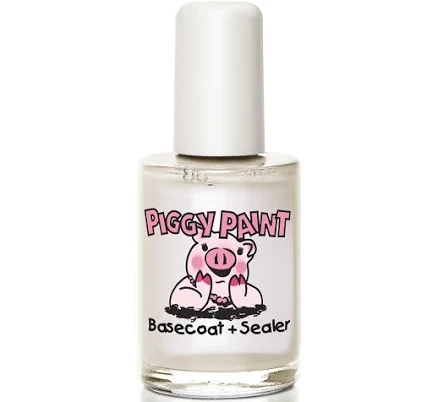
Piggy Paint
Basecoat & Sealer Nail Polish
- Water-based organic pigments and plant-derived resins
- The brand calls it PFAS-free, which we have not verified
- Heavy metals
3 hazards checked on this product. See all of them.
Piggy Paint
Nail Polish Piggy Paint
- water-based pigmented lacquer
- The brand calls it PFAS-free, which we have not verified
- Volatile organic compounds (VOCs) from resins and solvents
3 hazards checked on this product. See all of them.
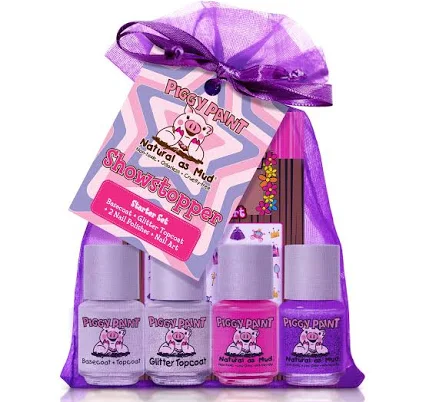
Piggy Paint
Showstopper Nail Polish Set
- organic pigments, plant-based resins, water-based lacquer
- The brand calls it PFAS-free, which we have not verified
- Volatile organic compounds (VOCs)
2 hazards checked on this product. See all of them.
More nail polish & top coat grades
How we score, every product runs through the same public 0-100 rubric based on materials, coatings, brand disclosure, lab findings, and recalls. See the full methodology → Spotted a mistake? Report an error.