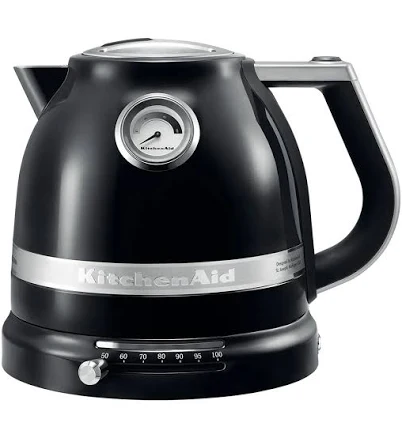
Kitchenaid · Electric Kettles & Pitchers
KitchenAid Artisan Kettle 5KEK1522E
Plastic with no coating described, and no PFAS statement from the brand.
The product information we reviewed describes stainless steel body and interior, with no applied coating named. A flexible cutting mat does not need a non-stick coating, and the listing does not describe one. The brand has published no PFAS statement for it.
We flunk more products than we pass. This one earned its grade. How we grade
Material
Stainless steel body and interior
Lab data
No public lab test
You may also be interested in
Top-graded picks in the categories readers replace first, every one scored on the same rubric.

- polypropylene filter housing, carbon/sediment cartridge
- We found no PFAS statement from the brand
- Bacterial growth in spent cartridges
3 hazards checked on this product, all on its full breakdown.

Aquasure
Premier Series 75 GPD Under Sink Reverse Osmosis Water Filtration System
- RO membrane, carbon filters, stainless steel housing
- We found no PFAS statement from the brand
- Bacterial and microbial growth in housing and filters
4 hazards checked on this product, all on its full breakdown.

Avocado
Vegan Mattress
- organic cotton, natural latex, coconut coir, recycled steel coils
- The brand calls it PFAS-free, which we have not verified
- Heavy metals
2 hazards checked on this product, all on its full breakdown.
What KitchenAid Artisan Kettle 5KEK1522E is made of, ingredients and materials
The 5KEK1522E body and interior are stainless steel, a material that does not leach metals under normal boiling conditions and requires no protective surface coating. Stainless steel kettles avoid the lead/cadmium risks associated with glazed ceramic or enameled cast-iron alternatives, and do not shed Teflon-type coating particles from non-stick coatings. The heating element contact with water is the primary wear surface; stainless steel resists corrosion and scale buildup over years of use.
What’s concerning
Category baseline
The starting point for this type of product, before anything specific to this product is counted.
No PFAS disclosure
No public statement from the brand about PFAS in this product.
Plastic components (handle, lid, base) in contact with steam or heat
The handle, lid, and base contain plastic parts; if these plastics are not heat-stabilized, prolonged steam exposure could degrade them over time. KitchenAid does not disclose the specific plastic grade or whether BPA/BPS are present in these non-water-contact components. Risk is low during normal operation but cannot be ruled out without material disclosure.
Bacterial or mold growth in inaccessible reservoir areas
The lid seal and spout joint may trap moisture and mineral deposits if not fully dried after use. This is a maintenance issue rather than a material hazard but can affect water quality if the kettle is left standing for weeks without use. Regular emptying and air-drying between uses minimizes this risk.
What’s reassuring
Bare uncoated material
Recorded as a bare, uncoated material with no surface coating or treatment.
Heating element degradation and leaching
No recalls or reported cases of nickel, chromium, or other metals leaching from stainless steel heating elements in this model. Stainless steel used in food contact surfaces is formulated to resist corrosion in water environments.
Lead
No reports of lead or cadmium in KitchenAid kettle finishes or printed logos. Stainless steel body does not use glazes or enamels that typically carry these contaminants. Printed logos are not in contact with water.
Source, ATSDR ↗Thermal shock and structural failure of stainless steel seams or joints
Stainless steel kettles are designed to withstand repeated boiling; no documented failure of welds or seams specific to this model under normal use. Quality control and longevity are the limiting factors, not material weakness.
How is this PFAS grade calculated?
The brand's record and disclosure
KitchenAid (owned by Whirlpool) does not publish detailed material safety or PFAS statements for this kettle model. The brand has no documented recalls or safety controversies specific to this kettle line. Without proactive transparency on manufacturing processes or third-party testing, assessment relies on material composition alone rather than brand commitment to disclosure.
How it compares in its category
Electric kettles vary widely, glazed ceramic bodies carry trace lead/cadmium risk; plastic housing models introduce BPA or phthalate concerns if heated directly; some budget stainless models use thin gauges prone to pitting. The 5KEK1522E's all-stainless design places it in the lower-concern tier for material hazards. Longevity and durability of the heating element and lid seal are typical failure modes that do not involve chemical leaching.
If you buy it
Descale every 2-4 weeks with food-grade white vinegar if your water is hard; mineral buildup can reduce efficiency but does not contaminate water. Replace the kettle if the heating element fails or the lid seal cracks, as these cannot be repaired at home without risk of malfunction. Do not subject the exterior to prolonged contact with acids or extreme heat outside normal boiling use. The stainless steel will gradually develop minor surface discoloration with age; this is cosmetic and does not indicate chemical degradation.
What is not known about PFAS in this product?
- Basis
- Model estimate, 45% confidence, not a lab result
- Lab test
- None on record for this exact product
- Brand statement
- Kitchenaid has made a specific claim
Formulations change between production runs, so check the current label. How we grade.
More electric kettles & pitchers grades
How we score, every product runs through the same public 0-100 rubric based on materials, coatings, brand disclosure, lab findings, and recalls. See the full methodology → Spotted a mistake? Report an error.