Kitchenaid · Electric Kettles & Pitchers
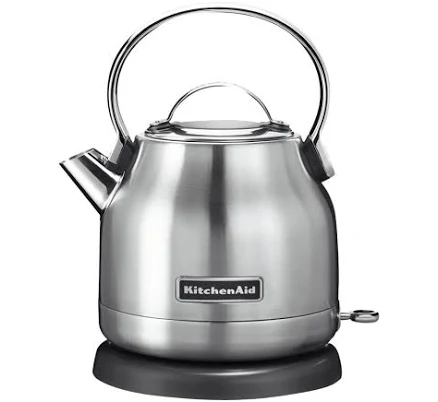
KitchenAid Traditional Dome Kettle 5KEK1222BAC
Lower concern. Stainless steel kettle with no known PFAS risks.
Stainless steel construction with a plastic handle and no additional coatings mentioned. Bare stainless poses lower PFAS risk, and KitchenAid makes no PFAS claims.
The better-graded swap
Secura
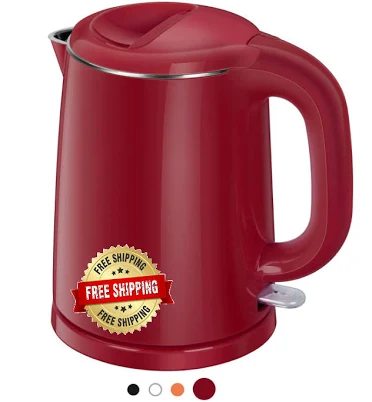
Secura Stainless Steel Double Wall Electric Kettle Water Heater SWK-1001DW/
75/100 safety
Same rubric that flunked this product. The swap earned Excellent.
Still want this one anyway? Check the price on Amazon. We’d swap it.
Material
stainless steel body, plastic handle
Lab data
No public lab test
You may also be interested in
Top-graded picks in the categories readers replace first, every one scored on the same rubric.

- polypropylene filter housing, carbon/sediment cartridge
- We found no PFAS statement from the brand
- Bacterial growth in spent cartridges
3 hazards checked on this product, all on its full breakdown.

Aquasure
Premier Series 75 GPD Under Sink Reverse Osmosis Water Filtration System
- RO membrane, carbon filters, stainless steel housing
- We found no PFAS statement from the brand
- Bacterial and microbial growth in housing and filters
4 hazards checked on this product, all on its full breakdown.

Avocado
Vegan Mattress
- organic cotton, natural latex, coconut coir, recycled steel coils
- The brand calls it PFAS-free, which we have not verified
- Heavy metals
2 hazards checked on this product, all on its full breakdown.
What KitchenAid Traditional Dome 5KEK1222BAC is made of, ingredients and materials
The KitchenAid Traditional Dome Kettle 5KEK1222BAC features a stainless steel body, which is chemically inert and does not leach metals into water during normal heating. The handle is plastic, likely polypropylene or similar heat-resistant polymer, positioned away from direct contact with boiling water. Stainless steel kettles avoid the hazards associated with enameled or ceramic-coated cookware, which can chip and expose underlying metals or clay.
What’s concerning
Category baseline
The starting point for this type of product, before anything specific to this product is counted.
No PFAS disclosure
No public statement from the brand about PFAS in this product.
Plastic handle degradation or leaching
Plastic handle is located away from boiling water and steam, minimizing thermal stress. Degradation would be visible (cracking, discoloration) before chemical leaching becomes a practical concern. No published incidents for this model.
What’s reassuring
Bare uncoated material
Recorded as a bare, uncoated material with no surface coating or treatment.
Aluminum leaching
Kettle is stainless steel bodied, not aluminum. No aluminum contact with water expected.
Lead
No ceramic, enamel, or glaze coating on the water-contact surfaces. Stainless steel is not glazed.
Source, ATSDR ↗Teflon-type coating (Teflon) fume risk
This kettle does not use non-stick coating or Teflon-type coating-based materials in its construction.
Coating degradation over time
Stainless steel does not chip, peel, or degrade in the way enameled or ceramic-coated cookware does. The interior finish is inherent to the metal, not a separate coating layer.
How is this PFAS grade calculated?
The brand's record and disclosure
KitchenAid (Whirlpool Corporation subsidiary) does not publish detailed material safety disclosures for individual cookware items. The brand has no known recalls specific to this kettle model for chemical leaching or coating failure. No third-party certifications (NSF, FDA material compliance statements) are publicly documented for this product, reflecting industry norms for basic stainless steel cookware rather than a transparency gap unique to KitchenAid.
How it compares in its category
Stainless steel kettles rank among the lowest-risk options in the kettle category, avoiding risks posed by enameled steel kettles (lead in older glazes), aluminum kettles (potential leaching in acidic conditions), and non-stick coated kettles (Teflon-type coating fume risk if overheated). This model's design is conventional and widely replicated across brands, with no material innovations that introduce unusual chemical concerns.
If you buy it
Stainless steel requires minimal care to maintain its appearance. Avoid abrasive scrubbers that may scratch the interior, though surface scratches do not create chemical hazards. The plastic handle should not be immersed in water; rinse around it only. Replace the kettle if the handle becomes cracked or the seal around the spout degrades, though these are durability issues, not chemical ones. Descale with white vinegar every few months if you have hard water to prevent mineral buildup, not for safety but for performance.
What is not known about PFAS in this product?
- Basis
- Model estimate, 78% confidence, not a lab result
- Lab test
- None on record for this exact product
- Brand statement
- Kitchenaid has made a specific claim
Formulations change between production runs, so check the current label. How we grade.
More electric kettles & pitchers grades
How we score, every product runs through the same public 0-100 rubric based on materials, coatings, brand disclosure, lab findings, and recalls. See the full methodology → Spotted a mistake? Report an error.