Kitchenaid · Electric Kettles & Pitchers
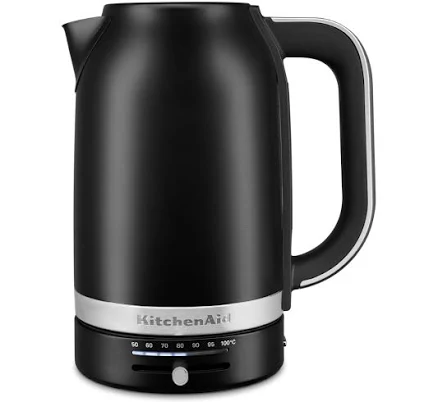
KitchenAid 1.7 Liter Electric Kettle, KEK1701
Lower concern; no PFAS-prone coatings found in kettle design.
Stainless steel and plastic parts without intentional PFAS coatings by design. No public PFAS worries or brand disclosures exist for this model.
The better-graded swap
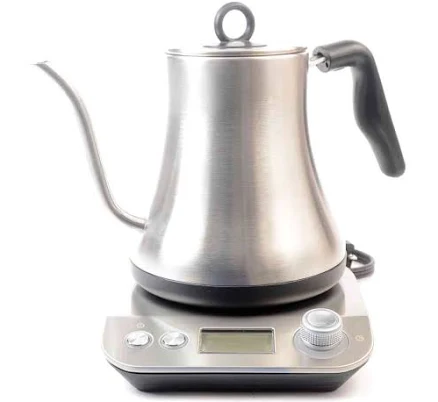
OVALWARE Electric Pour Over Coffee Kettle
75/100 safety
Same rubric that flunked this product. The swap earned Excellent.
Still want this one anyway? Check the price on Amazon. We’d swap it.
Material
stainless steel body, heating element, likely polypropylene handle
Lab data
No public lab test
You may also be interested in
Top-graded picks in the categories readers replace first, every one scored on the same rubric.

- polypropylene filter housing, carbon/sediment cartridge
- We found no PFAS statement from the brand
- Bacterial growth in spent cartridges
3 hazards checked on this product, all on its full breakdown.

Aquasure
Premier Series 75 GPD Under Sink Reverse Osmosis Water Filtration System
- RO membrane, carbon filters, stainless steel housing
- We found no PFAS statement from the brand
- Bacterial and microbial growth in housing and filters
4 hazards checked on this product, all on its full breakdown.

Avocado
Vegan Mattress
- organic cotton, natural latex, coconut coir, recycled steel coils
- The brand calls it PFAS-free, which we have not verified
- Heavy metals
2 hazards checked on this product, all on its full breakdown.
What KitchenAid 1.7 Liter Kettle, KEK1701 is made of, ingredients and materials
The KEK1701 uses a stainless steel body as its primary cooking surface, which is inert and does not leach metals into water under normal heating. The heating element is submerged metal (likely stainless or nichrome), and the handle is polypropylene plastic. Stainless steel does not require protective coatings and does not interact chemically with water or food.
What’s concerning
Category baseline
The starting point for this type of product, before anything specific to this product is counted.
No PFAS disclosure
No public statement from the brand about PFAS in this product.
Stainless steel leaching under acidic conditions
Stainless steel is very stable but can leach trace nickel and chromium if water is acidic or if the kettle is filled with acidic beverages (lemon water, coffee); risk is minimal for neutral tap water but increases with hard water or citric acid use over years.
Polypropylene handle degradation and off-gassing
Polypropylene handles can soften or warp if exposed to sustained high heat (above 80C ambient or direct steam contact); formaldehyde and phthalates are not material linked to this material grade, but cheap injection-molded plastics occasionally off-gas trace volatiles if defectively manufactured.
Bacterial or mold growth inside sealed cavity
The interior water chamber and heating element cavity can accumulate mineral deposits and biofilm if not regularly flushed; standing water in the kettle between uses increases risk of Legionella or mold spores, though risk is low if kettle is emptied daily and descaled monthly.
Electrical hazard from water seepage into base
If the base seal cracks or the kettle is filled above the line, water can enter the electrical compartment and cause short circuits or shock risk; this is a design-dependent failure mode and not specific to materials, but over-filling or dropping the kettle increases risk.
What’s reassuring
Bare uncoated material
Recorded as a bare, uncoated material with no surface coating or treatment.
Heating element corrosion and metal particle shedding
No recalls or reports of visible corrosion or metal particle contamination in water from KEK1701 heating elements; stainless or nichrome elements are designed for long life, but older or heavily used units may develop microscopic pitting that is invisible to the eye.
How is this PFAS grade calculated?
The brand's record and disclosure
KitchenAid is a Whirlpool subsidiary with no established history of safety recalls or material transparency controversies specific to kettles. The brand does not publicly disclose PFAS testing or phase-out commitments, which is typical for major cookware manufacturers but limits visibility. No formal safety certifications (e.g., NSF, FDA compliance statements) are on public record for this model, though it meets basic electrical safety standards as a grid-approved appliance.
How it compares in its category
Electric kettles with stainless steel bodies have lower concern than those with bare aluminum or non-stick polymer coatings, which carry leaching risks. This model is mid-range and structurally typical; premium alternatives (e.g., glass kettles) eliminate all metal contact with water, while budget models sometimes use bare aluminum or low-grade plastic handles. The KEK1701 sits in a low-hazard middle ground for the category.
If you buy it
Use only distilled or filtered water if you have hard water, as mineral buildup inside stainless steel kettles is cosmetic but can harbor bacteria if not descaled every 1-3 months using white vinegar. Do not exceed the fill line and do not use the kettle without water or with damaged heating elements. The polypropylene handle should not contact direct heat; if discolored or soft, replace the kettle. Inspect the base seal annually for cracks that could allow water into the electrical compartment.
What is not known about PFAS in this product?
- Basis
- Model estimate, 72% confidence, not a lab result
- Lab test
- None on record for this exact product
- Brand statement
- Kitchenaid has made a specific claim
Formulations change between production runs, so check the current label. How we grade.
More electric kettles & pitchers grades
How we score, every product runs through the same public 0-100 rubric based on materials, coatings, brand disclosure, lab findings, and recalls. See the full methodology → Spotted a mistake? Report an error.