Kitchenaid · Electric Kettles & Pitchers
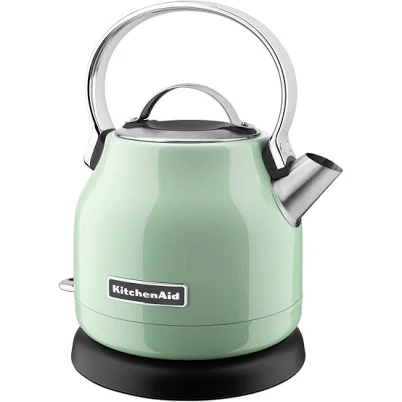
KitchenAid Electric Kettle
Plastic with no coating described, and no PFAS statement from the brand.
The product information we reviewed describes stainless steel body and interior, with no applied coating named. A flexible cutting mat does not need a non-stick coating, and the listing does not describe one. The brand has published no PFAS statement for it.
We flunk more products than we pass. This one earned its grade. How we grade
Material
Stainless steel body and interior
Lab data
No public lab test
You may also be interested in
Top-graded picks in the categories readers replace first, every one scored on the same rubric.

- polypropylene filter housing, carbon/sediment cartridge
- We found no PFAS statement from the brand
- Bacterial growth in spent cartridges
3 hazards checked on this product, all on its full breakdown.

Aquasure
Premier Series 75 GPD Under Sink Reverse Osmosis Water Filtration System
- RO membrane, carbon filters, stainless steel housing
- We found no PFAS statement from the brand
- Bacterial and microbial growth in housing and filters
4 hazards checked on this product, all on its full breakdown.

Avocado
Vegan Mattress
- organic cotton, natural latex, coconut coir, recycled steel coils
- The brand calls it PFAS-free, which we have not verified
- Heavy metals
2 hazards checked on this product, all on its full breakdown.
What KitchenAid Electric Kettle is made of, ingredients and materials
The KitchenAid Electric Kettle uses stainless steel for both the exterior body and interior water-contact surfaces. Stainless steel is chemically inert when in contact with hot water and does not leach metals or require protective coatings that could degrade. This material choice sidesteps the primary hazards that affect kettles with ceramic glazes, enamel coatings, or aluminum interiors, which can release lead, cadmium, or aluminum ions under heat and repeated use.
What’s concerning
Category baseline
The starting point for this type of product, before anything specific to this product is counted.
No PFAS disclosure
No public statement from the brand about PFAS in this product.
Mineral scale and heating element degradation
Hard water minerals accumulate on the stainless steel interior and heating element, reducing efficiency and potentially introducing metallic particles if scale flakes off. Regular descaling prevents this but is user-dependent.
Electrical component failure (cord, switch, heating element)
Like all electric kettles, failure of the power cord insulation, switch contacts, or heating element presents shock or fire risk over time. No brand-specific defect history is on record, but electrical parts age and are not replaceable by the consumer.
What’s reassuring
Bare uncoated material
Recorded as a bare, uncoated material with no surface coating or treatment.
Lead
The kettle uses bare stainless steel with no enamel, ceramic, or glaze coating mentioned in product descriptions, so typical ceramic-glaze leaching hazards do not apply.
Source, ATSDR ↗Aluminum leaching
The interior is stainless steel, not aluminum, so aluminum ion migration into water is not a concern with this product.
Teflon-type coating (Teflon) fume risk
No non-stick coating or Teflon-type coating surface is described or typical for stainless steel kettles; this hazard is not applicable to this product's construction.
How is this PFAS grade calculated?
The brand's record and disclosure
KitchenAid (owned by Whirlpool) does not publish a public PFAS statement for this product category. The brand has no documented major recalls or safety controversies specific to this kettle model. KitchenAid maintains general compliance certifications (UL, ETL) for electrical safety but does not routinely disclose material testing data for non-PFAS hazards on cookware.
How it compares in its category
Stainless steel electric kettles are among the lowest-concern options in the category. Most budget and mid-range kettles use plastic bodies with concealed heating elements or enamel-coated steel interiors, both of which carry documented leaching and degradation risks. High-end models often match this kettle's material standard, making it a solid mid-tier choice without material compromises.
If you buy it
Use distilled or filtered water to reduce mineral buildup and extend heating element life. Descale every 1-3 months (depending on water hardness) using food-grade citric acid or vinegar to prevent scale accumulation and maintain performance. Replace the kettle if the heating element fails or the power cord shows wear; stainless steel bodies are durable but internal electrical components are not field-repairable. Avoid submerging the body or lid in water; hand-wash the exterior and interior with mild soap.
What is not known about PFAS in this product?
- Basis
- Model estimate, 45% confidence, not a lab result
- Lab test
- None on record for this exact product
- Brand statement
- Kitchenaid has made a specific claim
Formulations change between production runs, so check the current label. How we grade.
More electric kettles & pitchers grades
How we score, every product runs through the same public 0-100 rubric based on materials, coatings, brand disclosure, lab findings, and recalls. See the full methodology → Spotted a mistake? Report an error.