Kitchenaid · Electric Kettles & Pitchers
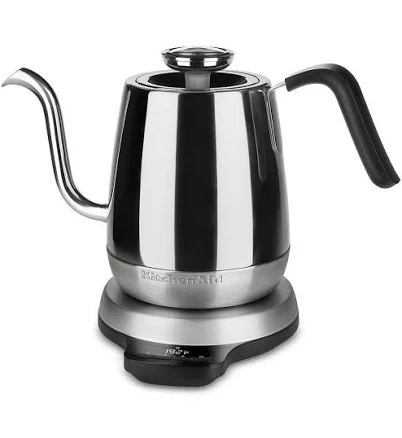
KitchenAid Precision Gooseneck Digital Kettle
Plastic with no coating described, and no PFAS statement from the brand.
The product information we reviewed describes stainless steel body and interior, with no applied coating named. A flexible cutting mat does not need a non-stick coating, and the listing does not describe one. The brand has published no PFAS statement for it.
We flunk more products than we pass. This one earned its grade. How we grade
Material
Stainless steel body and interior
Lab data
No public lab test
You may also be interested in
Top-graded picks in the categories readers replace first, every one scored on the same rubric.

- polypropylene filter housing, carbon/sediment cartridge
- We found no PFAS statement from the brand
- Bacterial growth in spent cartridges
3 hazards checked on this product, all on its full breakdown.

Aquasure
Premier Series 75 GPD Under Sink Reverse Osmosis Water Filtration System
- RO membrane, carbon filters, stainless steel housing
- We found no PFAS statement from the brand
- Bacterial and microbial growth in housing and filters
4 hazards checked on this product, all on its full breakdown.

Avocado
Vegan Mattress
- organic cotton, natural latex, coconut coir, recycled steel coils
- The brand calls it PFAS-free, which we have not verified
- Heavy metals
2 hazards checked on this product, all on its full breakdown.
What KitchenAid Precision Digital Kettle is made of, ingredients and materials
The KitchenAid Precision Gooseneck kettle uses a stainless steel body and interior, which is chemically inert when heated and does not leach metals into water under normal kettle operating temperatures (below 100°C). Stainless steel does not rely on surface coatings, glazes, or enamel finishes that can degrade or release contaminants. The heating element is typically nichrome or similar resistance wire, a standard non-toxic electric heating medium. This material class avoids the lead, cadmium, or Teflon-type coating fume risks present in some cookware alternatives.
What’s concerning
Category baseline
The starting point for this type of product, before anything specific to this product is counted.
No PFAS disclosure
No public statement from the brand about PFAS in this product.
Mineral and microbial buildup in heating chamber
Electric kettles with narrow internal geometries can accumulate limescale and bacterial biofilm if not regularly descaled, particularly in hard water regions. Stainless steel itself does not promote this, but design and maintenance determine risk.
Nickel leaching from stainless steel
Stainless steel contains nickel (typically 8-12% in 304-grade steel used in cookware). In very acidic water or after prolonged contact, trace nickel migration into boiled water is theoretically possible, though levels are generally far below health thresholds in short-term kettle use.
Electrical heating element corrosion or failure
The internal heating element is a point of potential degradation over years of use and thermal cycling. Corrosion or wire fracture can occur, but this is a durability issue rather than a safety hazard unless the device overheats or malfunctions; modern electric kettles have automatic shutoff and thermal protection.
Thermal burn risk from boiling water and steam
This is an inherent hazard of electric kettles, not specific to this model. The gooseneck spout design may reduce splashing compared to wide-spout kettles but does not eliminate scalding risk. Standard precautions (keep away from children, use handles with care) apply.
What’s reassuring
Bare uncoated material
Recorded as a bare, uncoated material with no surface coating or treatment.
Lead
No public recall or test data indicates lead or cadmium in the stainless steel body, handle, or exterior components of this model. Stainless steel cookware and appliances are not typically a source of these metals unless decorative coatings are present, which are not described for this kettle.
Source, ATSDR ↗How is this PFAS grade calculated?
The brand's record and disclosure
KitchenAid (owned by Whirlpool) does not publish a specific PFAS reduction statement for this kettle model, and no public record of recalls or safety findings exists for this product. The brand has not disclosed third-party testing certifications (e.g., NSF, CA Prop 65) for this kettle. Whirlpool has faced scrutiny on appliance safety and disclosure in other product lines, but no established controversy applies directly to this electric kettle.
How it compares in its category
Electric kettles with stainless steel interiors are a lower-concern option compared to those with nonstick (Teflon-type coating) coatings or ceramic/enamel glazes, which can degrade with thermal cycling and repeated use. Gooseneck kettles typically have the same material risk profile as standard electric kettles; the narrow spout does not introduce new hazards. Most electric kettles in this price range lack third-party safety certifications, so this product is typical for its category in that regard.
If you buy it
Descale the kettle every 1-3 months with white vinegar or a commercial descaler to prevent mineral buildup that can harbor bacteria or affect taste and heating efficiency. Do not immerse the power base or cord; wipe only the exterior stainless steel body with a damp cloth. Replace the kettle if the heating element fails or if you notice visible corrosion, pitting, or discoloration of the interior; stainless steel is durable but not indestructible. Use filtered or distilled water if your tap water is very hard to extend the lifespan and maintain water quality.
What is not known about PFAS in this product?
- Basis
- Model estimate, 35% confidence, not a lab result
- Lab test
- None on record for this exact product
- Brand statement
- Kitchenaid has made a specific claim
Formulations change between production runs, so check the current label. How we grade.
More electric kettles & pitchers grades
How we score, every product runs through the same public 0-100 rubric based on materials, coatings, brand disclosure, lab findings, and recalls. See the full methodology → Spotted a mistake? Report an error.