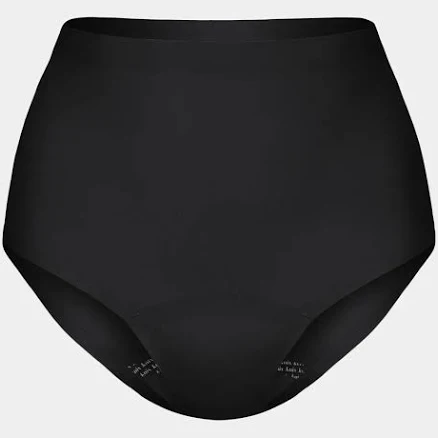
Knix Leakproof Ultra Thin High Rise Brief
Skip until brand discloses waterproof coating chemistry.
Knix markets leak-resistant period underwear with waterproof coating, but does not publicly disclose the chemical composition of that coating. Without independent testing or brand transparency, PFAS risk cannot be ruled out.
The better-graded swap
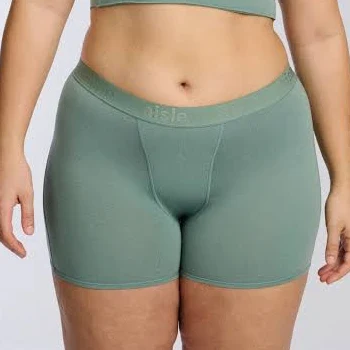
Aisle
Aisle Best-Selling Leakproof Period Boxer Brief - Essential Boxer Essential Boxer Eucalyptus / 2X
90/100 safety
Same rubric that flunked this product. The swap earned Excellent.
Still want this one anyway? Check the price on Amazon. We’d swap it.
Material
Fabric with waterproof/leak-resistant coating, unspecified
Lab data
No public lab test
What Knix Leakproof Ultra Thin High Rise Brief is made of, ingredients and materials
Knix Ultra Thin briefs use a fabric base (typically cotton-blend or synthetic) with an unspecified waterproof or leak-resistant coating applied to the gusset or full brief. The coating chemistry is the critical unknown, manufacturers typically use either fluorinated compounds (PFAS), polyurethane, or silicone-based layers. Without disclosure from Knix, the actual composition cannot be confirmed. This opacity matters because the coating is the direct barrier between skin and moisture, and if it contains legacy PFAS, it poses documented bioaccumulation and health concerns.
What’s concerning
Waterproof / stain-resistant treatment
Water-repellent coating treatments have historically used PFAS.
Category baseline
The starting point for this type of product, before anything specific to this product is counted.
No PFAS disclosure
No public statement from the brand about PFAS in this product.
PFAS
Knix's PFAS safety score is 25/100, indicating high risk of fluorinated polymers or water-repellent treatments in the waterproof layer. No public commitment to PFAS reduction or third-party testing for PFAS presence is documented.
Source, ATSDR ↗Coating degradation and microparticle release
Unspecified waterproof coatings can break down over time, especially with heat, washing, or friction. Degraded coating fragments may shed onto skin or into water. Longevity and degradation profile are unknown for this product.
Skin sensitization from coating or textile dyes
Period-care products worn in prolonged contact with sensitive genital skin can trigger irritation if coatings contain residual solvents or if textile dyes (including azo dyes) are present. No material safety data sheet or allergen disclosure is publicly available for Knix briefs.
Volatile organic compound (VOC) off-gassing from synthetic coating
Polyurethane and other synthetic waterproof layers can off-gas solvents, especially when new or exposed to heat. Symptom exposure depends on ventilation and individual sensitivity; risks are typical for coated textiles but vary by formulation.
What’s reassuring
Formaldehyde / VOCs
No documented use of formaldehyde resins in Knix products, and the brand's fabric blends do not obviously require durable-press finishing. Risk is lower than in some conventional period-care products, but not explicitly ruled out.
Source, ATSDR ↗The full breakdown
The brand's record and disclosure
Knix has not publicly disclosed the specific chemistry of its leak-resistant coatings as of available public records. The brand has built marketing around sustainability and comfort but has remained silent on PFAS presence or alternatives. No formal certifications (such as OEKO-TEX, GOTS, or BLUESIGN) are widely documented for this specific product line. This lack of transparency is unusual for a brand positioning itself in the wellness-focused menstrual product space and stands in contrast to competitors who have begun phasing PFAS or certifying PFAS-free formulations.
How it compares in its category
Period-care briefs and leak-proof underwear have become a major category, and waterproofing is table-stakes. Competitors like Thinx and Aisle have faced PFAS scrutiny and made public commitments to phasing them; others remain opaque. Most leak-proof garments rely on some form of synthetic coating, but the shift toward fluorine-free alternatives (polyurethane, wax-coated, or ceramic-based barriers) is accelerating in the category. Knix's silence on coating chemistry places it in a middling position, not worst-in-class, but notably less transparent than leading brands investing in alternatives with lower PFAS concern.
If you buy it
Wash in cold water (heat can degrade coatings and increase leaching) and air-dry rather than machine-dry or high heat; tumble drying may shorten coating lifespan and release volatile compounds. Inspect regularly for peeling, flaking, or visible degradation of the waterproof layer, which can compromise both function and safety. Rotate with other absorbent options on very heavy flow days to reduce continuous skin contact with the coating. Request detailed coating composition from the brand before purchase if chemical sensitivity or PFAS avoidance is a priority; silence should be treated as a signal to seek alternatives with transparent supply chains.
What we don’t know
- Basis
- Model estimate, 35% confidence, not a lab result
- Lab test
- None on record for this exact product
- Brand statement
- Knix has made a specific claim
Formulations change between production runs, so check the current label. How we grade.
Better-graded alternatives in Period Underwear

Ruby Love
Rubylove First Period Kit +teen Period Underwear
- organic cotton, waterproof backing layer
- A third party reports verifying it as PFAS-free
- Coating degradation and microparticle shedding
2 hazards checked on this product. See all of them.
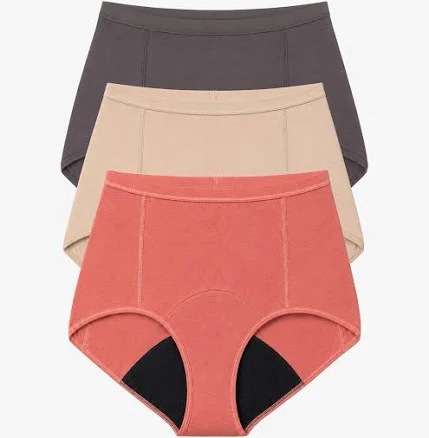
Lunapads
3-Pack BOOST Brief
- organic cotton blend, water-resistant gusset
- The brand calls it PFAS-free, which we have not verified
- Microplastic shedding from water-resistant barrier

Aisle
Super Hipster
- Organic cotton, wood pulp fiber
- The brand calls it PFAS-free, which we have not verified
- Azo dyes and synthetic dyes
2 hazards checked on this product. See all of them.
More period underwear grades
How we score, every product runs through the same public 0-100 rubric based on materials, coatings, brand disclosure, lab findings, and recalls. See the full methodology → Spotted a mistake? Report an error.