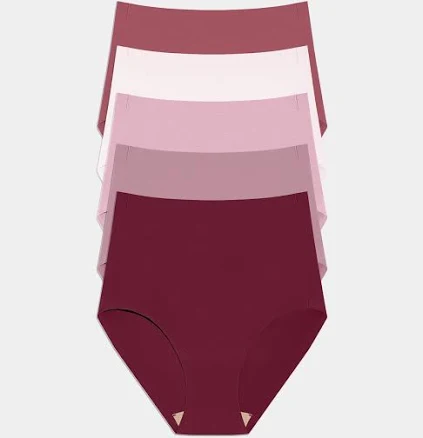
Knix Underwear Essential No-Show High Rise Kit
Period underwear with waterproof layer, PFAS status unclear from brand.
Knix does not publicly disclose PFAS use or avoidance in this product. Waterproof-lined period underwear often uses fluorochemical water-repellent coating coatings, but Knix's specific formulation is undisclosed.
The better-graded swap
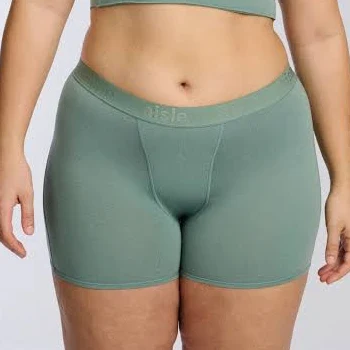
Aisle
Aisle Best-Selling Leakproof Period Boxer Brief - Essential Boxer Essential Boxer Eucalyptus / 2X
90/100 safety
Same rubric that flunked this product. The swap earned Excellent.
Still want this one anyway? Check the price on Amazon. We’d swap it.
Material
Cotton-polyester blend with waterproof treatment
Lab data
No public lab test
What Knix Underwear Essential No-Show High is made of, ingredients and materials
Knix Essential uses a cotton-polyester blend with a waterproof treatment layer to prevent leakage. The waterproof coating is the critical component, period-care brands typically use either Teflon-type coating (Teflon-based), polyurethane, or fluorocarbon compounds for water resistance. Knix has not publicly disclosed which waterproofing chemistry they use, making it impossible to assess Teflon-type coating fume risk or confirm absence of PFAS-class compounds. Cotton-polyester blends themselves have no hazard of this kind on record, but the treatment layer is where hazard concentrates.
What’s concerning
Waterproof / stain-resistant treatment
Water-repellent coating treatments have historically used PFAS.
Category baseline
The starting point for this type of product, before anything specific to this product is counted.
No PFAS disclosure
No public statement from the brand about PFAS in this product.
Fluorocarbon/Teflon-type coating in waterproof coating (undisclosed)
Knix does not disclose waterproofing chemistry. If fluorocarbon-based (common in period underwear), heating during washing or drying could theoretically release Teflon-type coating fume precursors, though risk is low at home laundry temperatures below 100°C. Lack of transparency prevents certainty.
Formaldehyde / VOCs
Polyester in blended fabrics may be treated with formaldehyde-based resins for wrinkle resistance or dye fixation. No independent test results for this product are published. Standard laundering typically removes residual formaldehyde, but pre-wash is prudent for sensitive skin.
Source, ATSDR ↗Microplastic shedding from waterproof coating during use and washing
Synthetic waterproof coatings can degrade and shed microplastics, especially with repeated washing and mechanical stress. The extent depends on coating material and durability; Knix does not publish durability or shedding data.
Bacterial colonization in absorbent layers if not dried fully
Period underwear retains moisture in the absorbent cotton-polyester core. If not dried completely between washes or if stored damp, bacterial or fungal growth can develop, causing odor or irritation. This is a use-maintenance hazard, not a material hazard, but relevant to product ownership.
What’s reassuring
Heavy metals
No recalls or contamination reports exist for Knix underwear dyes. Cotton-polyester blends in mainstream period care typically use regulated dyes; however, Knix does not publish dye safety certifications or OEKO-TEX testing results.
Source, FDA ↗The full breakdown
The brand's record and disclosure
Knix markets itself as a 'period-care innovator' and emphasizes comfort and sustainability messaging, but has remained silent on specific waterproofing chemistry and PFAS testing. The brand does not publicly commit to PFAS avoidance or provide third-party certifications (such as OEKO-TEX or Cradle to Cradle) that would verify treatment safety. No major recalls or contamination reports are on record for Knix underwear, but the lack of transparency on waterproofing materials is a transparency gap compared to competitors who explicitly state or avoid PFAS.
How it compares in its category
Period underwear market leaders vary widely, Thinx and Knix dominate but use proprietary waterproof formulations neither fully discloses; smaller brands like Aisle and Flux explicitly market PFAS-free status and use polyurethane alternatives. Knix's silence on waterproofing chemistry places it in a middle ground of unknown risk, while brands with explicit PFAS-free claims offer more assurance. Standard disposable pads use adhesives and SAP (superabsorbent polymers) with their own hazard profiles, so reusable period underwear presents different composition rather than lower concern across all dimensions.
If you buy it
Wash before first wear to reduce any finish residues from manufacturing. Avoid high heat, tumble dry on low or air dry to prevent potential breakdown of the waterproof layer (which could release coating particles or accelerate degradation). Replace when waterproof function fails (leaking during use or water pooling on surface rather than absorbing). Monitor for skin irritation, redness, or odor that persists after washing; this may indicate incompatibility with the treatment chemistry or bacterial colonization in the absorbent layer.
What we don’t know
- Basis
- Model estimate, 45% confidence, not a lab result
- Lab test
- None on record for this exact product
- Brand statement
- Knix has made a specific claim
Formulations change between production runs, so check the current label. How we grade.
Better-graded alternatives in Period Underwear
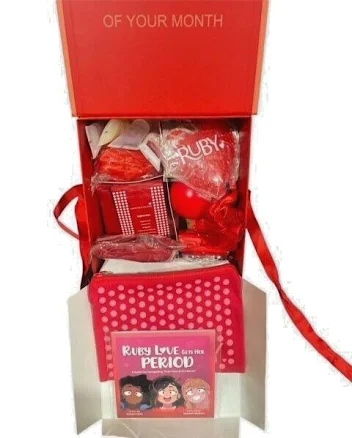
Ruby Love
Rubylove First Period Kit +teen Period Underwear
- organic cotton, waterproof backing layer
- A third party reports verifying it as PFAS-free
- Coating degradation and microparticle shedding
2 hazards checked on this product. See all of them.
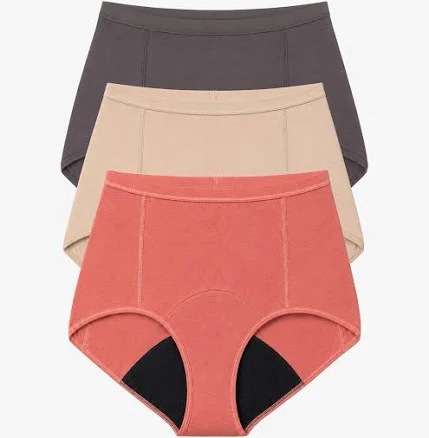
Lunapads
3-Pack BOOST Brief
- organic cotton blend, water-resistant gusset
- The brand calls it PFAS-free, which we have not verified
- Microplastic shedding from water-resistant barrier

Aisle
Super Hipster
- Organic cotton, wood pulp fiber
- The brand calls it PFAS-free, which we have not verified
- Azo dyes and synthetic dyes
2 hazards checked on this product. See all of them.
More period underwear grades
How we score, every product runs through the same public 0-100 rubric based on materials, coatings, brand disclosure, lab findings, and recalls. See the full methodology → Spotted a mistake? Report an error.