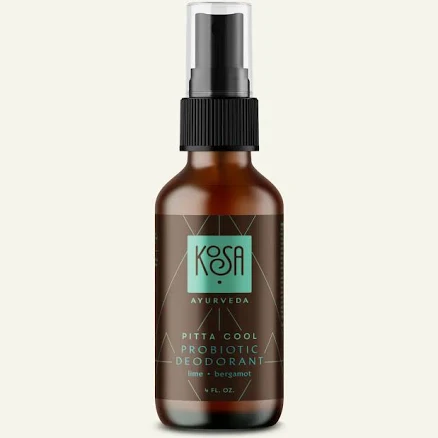
Kosa Ayurveda - Pitta Probiotic Deodorant
Low-Medium risk powder deodorant with no typical PFAS profile.
Kosa's powder formula contains mineral and plant ingredients not typically associated with PFAS. Brand makes no PFAS disclosure and lacks waterproofing or stain-resistance features.
We flunk more products than we pass. This one earned its grade. How we grade
Material
Mineral powder, plant-based ingredients, baking soda, arrowroot
Brand disclosure
Brand is silent on PFAS
Lab data
No public lab test
You may also be interested in
Top-graded picks in the categories readers replace first, every one scored on the same rubric.

- polypropylene filter housing, carbon/sediment cartridge
- We found no PFAS statement from the brand
- Bacterial growth in spent cartridges
3 hazards checked on this product, all on its full breakdown.

Aquasure
Premier Series 75 GPD Under Sink Reverse Osmosis Water Filtration System
- RO membrane, carbon filters, stainless steel housing
- We found no PFAS statement from the brand
- Bacterial and microbial growth in housing and filters
4 hazards checked on this product, all on its full breakdown.

Avocado
Vegan Mattress
- organic cotton, natural latex, coconut coir, recycled steel coils
- The brand calls it PFAS-free, which we have not verified
- Heavy metals
2 hazards checked on this product, all on its full breakdown.
What Kosa Ayurveda - Pitta Probiotic Deodorant is made of, ingredients and materials
Kosa Pitta Probiotic Deodorant is formulated as a mineral powder base (likely talc-free arrowroot starch and mineral clays) combined with plant-derived actives and baking soda. This dry-powder format eliminates common liquid/stick deodorant hazards like phthalate plasticizers in emulsions or microplastic concerns from gel breakdown. The arrowroot and mineral composition are inherently stable at room temperature and do not degrade into problematic breakdown products during normal use or storage.
What’s concerning
Category baseline
The starting point for this type of product, before anything specific to this product is counted.
No PFAS disclosure
No public statement from the brand about PFAS in this product.
Baking soda skin irritation
Sodium bicarbonate (baking soda) is a known irritant for sensitive or broken skin in some users, though not a toxicological hazard at topical concentrations. This is a user-tolerance issue rather than a contamination risk; individual sensitivity varies.
Fragrance allergens and undisclosed fragrance chemicals
Kosa lists 'fragrance' derived from plant sources but does not itemize specific essential oils or fragrance constituents. Plant-derived fragrance still carries allergen potential (limonene, linalool, eugenol); full ingredient transparency is absent despite 'natural' marketing.
What’s reassuring
Base material not linked to PFAS
The main material recorded for this product is not one associated with PFAS.
Talc contamination (asbestos risk)
Kosa markets this as arrowroot-based and talc-free. No reports of talc use or asbestos contamination in Kosa deodorants exist in public databases. Arrowroot starch is the stated replacement and carries no known asbestos risk.
Lead
Mineral powders used in cosmetics can carry trace heavy metals depending on ore source and processing. Kosa does not publish heavy-metal assay data for this product, but no recalls or documented contamination events are on record for Kosa deodorants.
Source, ATSDR ↗Probiotic efficacy and stability (not a toxin, but performance risk)
No toxicological hazard from probiotics applied topically. Stability of live bacterial cultures in powder form under ambient storage is not documented by the brand; efficacy claims are unvalidated but not hazardous if absent.
How is this PFAS grade calculated?
The brand's record and disclosure
Kosas markets itself as a clean beauty brand with emphasis on plant-based and mineral ingredients. The brand does not make explicit PFAS-free claims in widely available materials, which is a transparency gap common across indie beauty brands. No major recalls, contamination incidents, or regulatory complaints specific to Kosa deodorants are on public record. Third-party certifications (Clean at Sephora, Leaping Bunny) suggest baseline safety and ethics vetting, though these do not substitute for full chemical transparency.
How it compares in its category
Powder deodorants occupy a lower-risk position than antiperspirant sticks or spray formats because they avoid aluminum chlorohydrate (astringent risk), propellants (inhalation concern), and emulsifier-dependent formulas prone to phthalate use. Kosa's plant-probiotic positioning is market-standard among indie natural deodorants; the actual antimicrobial efficacy depends on ingredient concentration, not formulation type. This product sits in the mainstream natural deodorant tier, neither premium-transparent (like brands with full third-party heavy-metal testing) nor budget-generic.
If you buy it
Store in a cool, dry place to prevent moisture absorption into the powder, which can reduce efficacy and create bacterial growth conditions. Replace every 6-12 months depending on usage frequency; powder deodorants do not have fixed shelf lives but lose potency and can cake when exposed to humidity. Apply to clean, dry skin for best performance; the probiotic component is designed to work topically and does not require special reapplication rituals. If you experience skin irritation (baking soda can irritate sensitive skin), test on a small area first or reduce frequency.
What is not known about PFAS in this product?
- Basis
- Model estimate, 78% confidence, not a lab result
- Lab test
- None on record for this exact product
- Brand statement
- Kosa Ayurveda has made none
Formulations change between production runs, so check the current label. How we grade.
What are the PFAS-free alternatives to Kosa Ayurveda - Pitta Probiotic Deodorant?
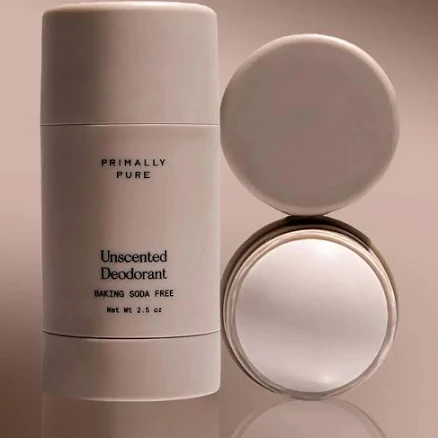
- mineral-based powder blend (arrowroot, magnesium hydroxide, mica)
- We found no PFAS statement from the brand
- Skin irritation from magnesium hydroxide alkalinity
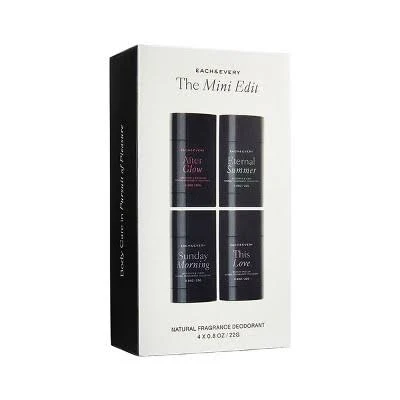
- cosmetic formulations, primary ingredients listed
- A third party reports verifying it as PFAS-free
- Fragrance allergens (natural essential oils)
2 hazards checked on this product, all on its full breakdown.
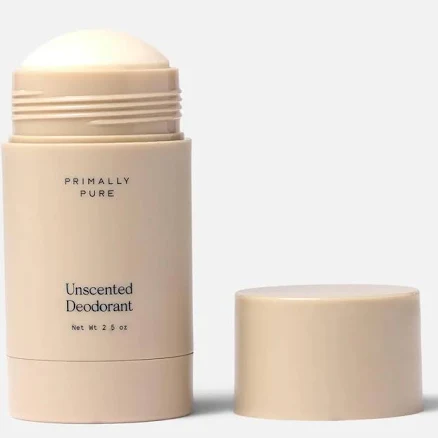
- natural mineral powders, plant-based actives, beeswax
- We found no PFAS statement from the brand
- Beeswax purity and contamination
2 hazards checked on this product, all on its full breakdown.
More deodorant grades
How we score, every product runs through the same public 0-100 rubric based on materials, coatings, brand disclosure, lab findings, and recalls. See the full methodology → Spotted a mistake? Report an error.