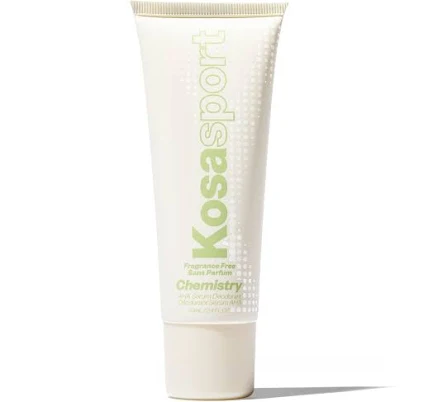
Kosas Chemistry Deodorant - Aluminium and Baking Soda Free + BO-Fighting AHA Serum that Exfoliates Softens and Nourishes the Skin (Fragrance Free)
Lower concern deodorant with aqueous cream serum and powder base not linked to PFAS.
This deodorant's aqueous cream serum and powder base are not materials typically associated with PFAS. No water-repellent finish or stain-resistant coating on record. Kosas has no PFAS statement on record for this product.
We flunk more products than we pass. This one earned its grade. How we grade
Material
aqueous cream serum and powder deodorant base
Brand disclosure
Brand is silent on PFAS
Lab data
No public lab test
You may also be interested in
Top-graded picks in the categories readers replace first, every one scored on the same rubric.

- polypropylene filter housing, carbon/sediment cartridge
- We found no PFAS statement from the brand
- Bacterial growth in spent cartridges
3 hazards checked on this product, all on its full breakdown.

Aquasure
Premier Series 75 GPD Under Sink Reverse Osmosis Water Filtration System
- RO membrane, carbon filters, stainless steel housing
- We found no PFAS statement from the brand
- Bacterial and microbial growth in housing and filters
4 hazards checked on this product, all on its full breakdown.

Avocado
Vegan Mattress
- organic cotton, natural latex, coconut coir, recycled steel coils
- The brand calls it PFAS-free, which we have not verified
- Heavy metals
2 hazards checked on this product, all on its full breakdown.
What Kosas Chemistry Deodorant (Fragrance Free) is made of, ingredients and materials
Kosas Chemistry is formulated as an aqueous cream-serum base combined with powder, designed to work without aluminum salts or sodium bicarbonate. The product uses an AHA (alpha-hydroxy acid) exfoliant and humectant oils to manage odor and skin condition rather than relying on anti-perspirant chemistry. This aqueous-powder hybrid avoids the coating degradation and aluminum leaching risks of traditional antiperspirants while minimizing exposure to harsh baking soda irritation. The fragrance-free formulation eliminates synthetic fragrance allergen and volatile organic compound (VOC) exposure.
What’s concerning
Category baseline
The starting point for this type of product, before anything specific to this product is counted.
No PFAS disclosure
No public statement from the brand about PFAS in this product.
AHA irritation and skin barrier disruption
This product markets an AHA serum component (likely glycolic or lactic acid). While beneficial for exfoliation, regular AHA use can cause irritation, photosensitivity, and barrier damage in sensitive individuals. Applying exfoliating acids to the underarm daily is not standard dermatological practice and may cause cumulative irritation.
What’s reassuring
Base material not linked to PFAS
The main material recorded for this product is not one associated with PFAS.
Formaldehyde / VOCs
No formaldehyde or formaldehyde-releasing preservatives are listed in publicly available ingredient disclosures for this product. Aqueous cream formulas typically use paraben or other non-releasing systems.
Source, ATSDR ↗Heavy metals
No synthetic colorants or heavy-metal-prone mineral powders are documented in the ingredient list. The product is fragrance-free and uses natural or synthetic mica/talc-adjacent powders which are not typically contaminated if sourced from regulated cosmetic suppliers.
Source, FDA ↗Talc contamination (if talc is present)
Product ingredient disclosures do not indicate talc use; powder base is unclear but brand does not promote talc as a component. If talc is used, asbestos risk is minimal under FDA cosmetic-grade talc regulations, though long-term inhalation exposure remains a category concern for powder deodorants generally.
Fragrance allergens (fragrance-free claim)
Product is labeled fragrance-free, which eliminates synthetic fragrance allergen exposure. However, natural fragrance compounds in oils or extracts (if present) could still trigger contact dermatitis in sensitive individuals; full ingredient review is recommended for known fragrance sensitivities.
How is this PFAS grade calculated?
The brand's record and disclosure
Kosas is owned by Estee Lauder Companies and maintains public ingredient transparency on product pages; the brand does not make explicit PFAS-free claims but provides detailed ingredient lists that do not indicate PFAS-prone coatings or water-repellent treatment. The brand has no publicized safety recalls or regulatory actions on record for this deodorant line. Certifications or third-party testing data for this specific product are not widely documented in public sources.
How it compares in its category
Aluminum-free deodorants are increasingly common, but Kosas' combination of cream base plus AHA chemistry is less typical than baking-soda-free powders or charcoal-based alternatives. Most aluminum-free deodorants still use baking soda; this product eliminates both, reducing irritation risk for sensitive skin but relying on exfoliation rather than odor absorption. Compared to aluminum-containing antiperspirants, this carries lower heavy-metal leaching risk and no Teflon-type coating fume exposure from non-stick coatings (which do not apply to deodorants anyway).
If you buy it
Store in a cool, dry place away from direct heat; the cream-powder consistency can separate or dry out if exposed to high temperatures or humidity for extended periods. Apply to clean, dry skin; the AHA content may cause mild irritation if used on freshly shaved or damaged skin. Replace every 12-18 months or when consistency changes significantly. Discontinue if redness, itching, or sensitization develops; AHA exfoliants are not suitable for all skin types and may interact with other actives.
What is not known about PFAS in this product?
- Basis
- Model estimate, 72% confidence, not a lab result
- Lab test
- None on record for this exact product
- Brand statement
- Kosas has made none
Formulations change between production runs, so check the current label. How we grade.
What are the PFAS-free alternatives to Kosas Chemistry Deodorant - Aluminium and Baking Soda Free + BO-Fighting AHA Serum that Exfoliates Softens and Nourishes the Skin (Fragrance Free)?
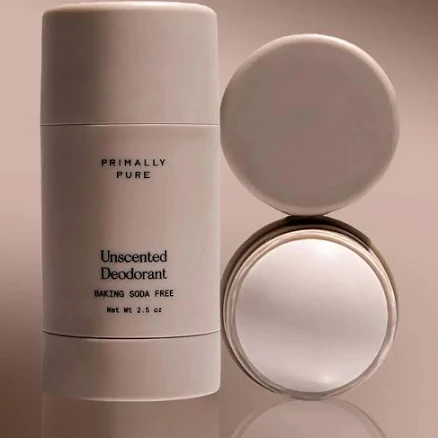
- mineral-based powder blend (arrowroot, magnesium hydroxide, mica)
- We found no PFAS statement from the brand
- Skin irritation from magnesium hydroxide alkalinity
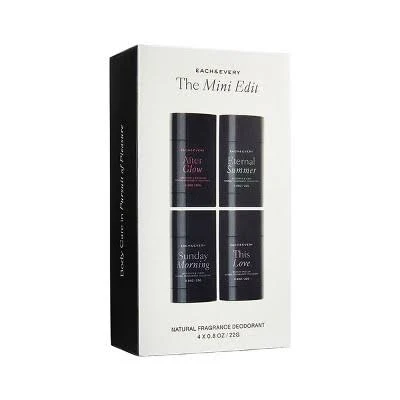
- cosmetic formulations, primary ingredients listed
- A third party reports verifying it as PFAS-free
- Fragrance allergens (natural essential oils)
2 hazards checked on this product, all on its full breakdown.
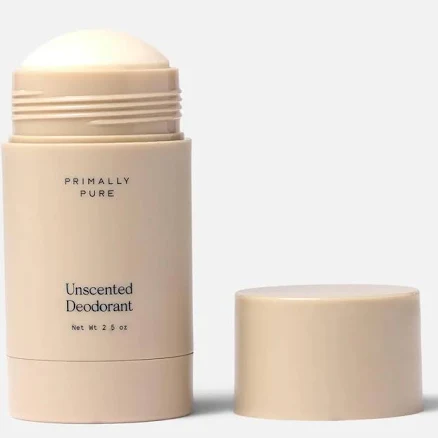
- natural mineral powders, plant-based actives, beeswax
- We found no PFAS statement from the brand
- Beeswax purity and contamination
2 hazards checked on this product, all on its full breakdown.
More deodorant grades
How we score, every product runs through the same public 0-100 rubric based on materials, coatings, brand disclosure, lab findings, and recalls. See the full methodology → Spotted a mistake? Report an error.