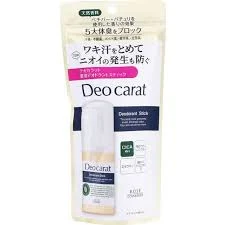
Kose - Desodorante Stick Deo Carat
Lower PFAS concern but no public disclosure from Kose.
This stick deodorant uses standard cosmetic materials like waxes, oils, and starches that don't typically require PFAS. No waterproofing or grease-resistant coatings are present, though the brand hasn't publicly disclosed its PFAS status.
We flunk more products than we pass. This one earned its grade. How we grade
Material
Stick deodorant base (typically waxes, oils, starch)
Brand disclosure
Brand is silent on PFAS
Lab data
No public lab test
You may also be interested in
Top-graded picks in the categories readers replace first, every one scored on the same rubric.

- polypropylene filter housing, carbon/sediment cartridge
- We found no PFAS statement from the brand
- Bacterial growth in spent cartridges
3 hazards checked on this product, all on its full breakdown.

Aquasure
Premier Series 75 GPD Under Sink Reverse Osmosis Water Filtration System
- RO membrane, carbon filters, stainless steel housing
- We found no PFAS statement from the brand
- Bacterial and microbial growth in housing and filters
4 hazards checked on this product, all on its full breakdown.

Avocado
Vegan Mattress
- organic cotton, natural latex, coconut coir, recycled steel coils
- The brand calls it PFAS-free, which we have not verified
- Heavy metals
2 hazards checked on this product, all on its full breakdown.
What Kose - Desodorante Stick Deo Carat is made of, ingredients and materials
Kose Desodorante Stick Deo Carat is a traditional solid stick deodorant, typically formulated from waxes (paraffin or plant-based), oils, starch, and odor-controlling actives such as aluminum compounds or zinc ricinoleate. The stick format avoids aerosolization hazards and limits volatile organic compound (VOC) exposure compared to spray deodorants. Starch and wax bases are inherently low-migration materials, meaning leaching of harmful compounds into skin or moisture is minimal under normal use.
What’s concerning
Category baseline
The starting point for this type of product, before anything specific to this product is counted.
No PFAS disclosure
No public statement from the brand about PFAS in this product.
Fragrance allergens (undisclosed components)
Product does not list specific fragrance ingredients; synthetic fragrance blends in deodorants commonly include eugenol, limonene, or other contact sensitizers. Prevalence in mass-market sticks makes allergic reaction possible for sensitive individuals, though incidence is low.
Aluminum salts in antiperspirant active (if present)
If this product contains antiperspirant-grade aluminum compounds (e.g., aluminum chlorohydrate), chronic underarm contact may result in skin irritation or absorption of trace aluminum. No causal link to systemic harm at cosmetic-use levels is established, but sensitive users may prefer aluminum-free alternatives.
Skin irritation from wax or oil oxidation over storage
Over time, unsaturated oils in the base may oxidize if exposed to air or UV light, producing minor skin irritants. Proper storage in a cool, opaque container minimizes this risk; opened sticks should be used within 12 months.
What’s reassuring
Base material not linked to PFAS
The main material recorded for this product is not one associated with PFAS.
Formaldehyde / VOCs
No public disclosure of preservative system; conventional stick deodorants typically use parabens or phenoxyethanol rather than formaldehyde releasers, but this product's full ingredient list is not available in English sources. Risk is low for this product class.
Source, ATSDR ↗Talc contamination (if talc-based starch)
Stick deodorants increasingly use cornstarch, rice starch, or other mineral starches; talc is less common in modern formulations due to contamination concerns. No evidence Kose uses talc, but product labeling is not transparent enough to confirm absence.
How is this PFAS grade calculated?
The brand's record and disclosure
Kose (Japanese cosmetics conglomerate; Kosas appears to be a regional brand variant) does not publicly disclose fragrance allergen lists, preservative systems, or PFAS use statements in widely available English-language materials. No major recalls, banned-substance violations, or third-party certifications (e.g., COSMOS, Ecocert) for this specific product are on public record. The brand maintains general compliance with cosmetic regulations in target markets but does not volunteer ingredient transparency beyond required labeling.
How it compares in its category
Stick deodorants as a category carry lower chemical-leaching risk than antiperspirant aerosols or roll-on liquids, because the solid matrix prevents easy dissolution of actives. Kose's stick format is standard and typical for this price and market segment; it does not differentiate in safety profile from mainstream competitors like Dove or Secret stick formulas. Natural or aluminum-free alternatives (e.g., Schmidt's, Bali Secrets) offer lower heavy-metal risk for sensitive users, but Kose's conventional formula poses no documented hazard for general use.
If you buy it
Apply sparingly to dry underarm skin to minimize any irritation from actives or fragrances; patch-test first if you have sensitive skin or fragrance allergies. Do not expose the stick to prolonged heat (e.g., hot car) as wax softening may affect consistency and ease of application, though no safety hazard results. Replace when fully used or if you notice discoloration or odor changes suggesting microbial growth. Store in a cool, dry place to maintain formula integrity.
What is not known about PFAS in this product?
- Basis
- Model estimate, 72% confidence, not a lab result
- Lab test
- None on record for this exact product
- Brand statement
- Kose has made none
Formulations change between production runs, so check the current label. How we grade.
What are the PFAS-free alternatives to Kose - Desodorante Stick Deo Carat?
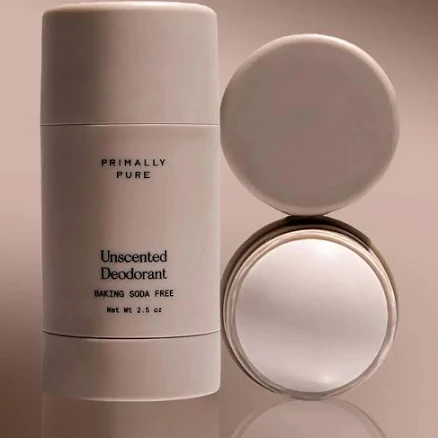
- mineral-based powder blend (arrowroot, magnesium hydroxide, mica)
- We found no PFAS statement from the brand
- Skin irritation from magnesium hydroxide alkalinity
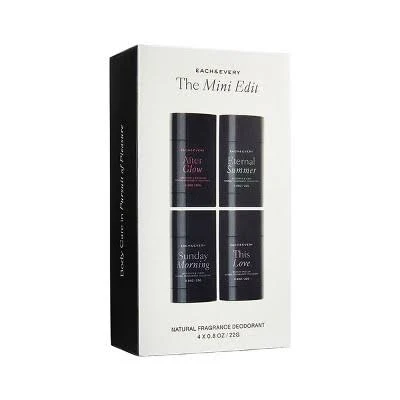
- cosmetic formulations, primary ingredients listed
- A third party reports verifying it as PFAS-free
- Fragrance allergens (natural essential oils)
2 hazards checked on this product, all on its full breakdown.
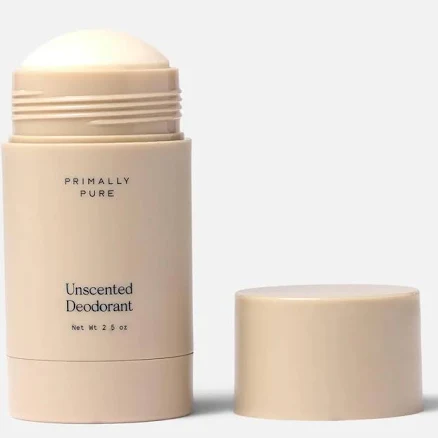
- natural mineral powders, plant-based actives, beeswax
- We found no PFAS statement from the brand
- Beeswax purity and contamination
2 hazards checked on this product, all on its full breakdown.
More deodorant grades
How we score, every product runs through the same public 0-100 rubric based on materials, coatings, brand disclosure, lab findings, and recalls. See the full methodology → Spotted a mistake? Report an error.