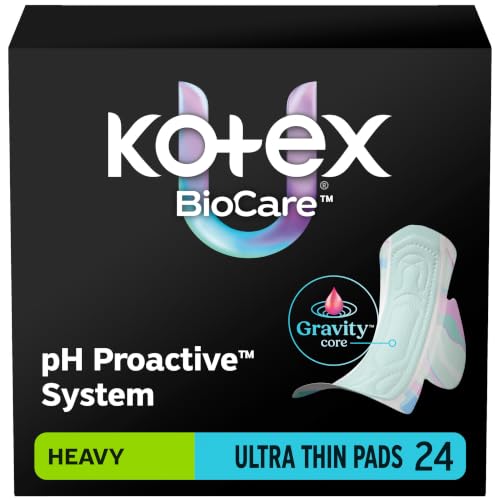
Kotex BioCare Pads
Lower concern; no PFAS signals found in core materials.
Kotex BioCare uses standard absorbent pad materials without confirmed PFAS treatments. Brand discloses no PFAS testing or certifications.
We flunk more products than we pass. This one earned its grade. How we grade
Material
Cellulose, absorbent materials, adhesives
Lab data
No public lab test
You may also be interested in
Top-graded picks in the categories readers replace first, every one scored on the same rubric.

- polypropylene filter housing, carbon/sediment cartridge
- We found no PFAS statement from the brand
- Bacterial growth in spent cartridges
3 hazards checked on this product, all on its full breakdown.

Aquasure
Premier Series 75 GPD Under Sink Reverse Osmosis Water Filtration System
- RO membrane, carbon filters, stainless steel housing
- We found no PFAS statement from the brand
- Bacterial and microbial growth in housing and filters
4 hazards checked on this product, all on its full breakdown.

Avocado
Vegan Mattress
- organic cotton, natural latex, coconut coir, recycled steel coils
- The brand calls it PFAS-free, which we have not verified
- Heavy metals
2 hazards checked on this product, all on its full breakdown.
What Kotex BioCare Pads is made of, ingredients and materials
Kotex BioCare pads are constructed from cellulose, a plant-derived polymer that forms the absorbent core, combined with synthetic adhesives to affix layers and the backing. Cellulose itself is inert and non-toxic when used in this application; it does not leach into skin or bloodstream under normal use. The adhesive formulations in period pads are typically acrylate-based and regulated for dermal contact; no elevated leaching risk is on record for this product line.
What’s concerning
Category baseline
The starting point for this type of product, before anything specific to this product is counted.
No PFAS disclosure
No public statement from the brand about PFAS in this product.
Skin contact allergen / adhesive sensitization
Acrylate adhesives in period pads can trigger contact dermatitis in individuals with latex or acrylate sensitivity; no specific adverse event reports for BioCare pads are on record, but this is a known risk class for the material category.
What’s reassuring
Base material not linked to PFAS
The main material recorded for this product is not one associated with PFAS.
Microplastic generation (cellulose fragmentation)
Cellulose is biodegradable and does not fragment into microplastics during normal use or disposal; this hazard does not apply to cellulose-core pads.
Bleach residue (elemental chlorine or chlorine dioxide)
Modern period pad manufacturing typically employs chlorine-free bleaching or ECF (elemental chlorine-free) processes; no public data suggests Kotex BioCare uses legacy chlorine bleaching, and residual chlorine exposure from pads is below regulatory concern.
Heavy metals
BioCare pads are plain white or neutral; color additives and pigments are minimal or absent, reducing the plausible source for cadmium, lead, or other metals used in synthetic dyes.
Source, FDA ↗Formaldehyde / VOCs
Cellulose binders and acrylate adhesives in modern pad formulations do not typically employ urea-formaldehyde or other formaldehyde-releasing compounds; no public safety alerts exist for BioCare pads on this hazard.
Source, ATSDR ↗How is this PFAS grade calculated?
The brand's record and disclosure
Kotex (Kimberly-Clark) does not publicly emphasize PFAS-free claims or post detailed material safety data sheets for retail consumers. The brand has not disclosed independent third-party certifications (such as GOTS or Cradle to Cradle for this product). No recalls or safety controversies specific to BioCare pads have been established in public records. Brand transparency on chemical inputs remains limited compared to newer direct-to-consumer period-care competitors.
How it compares in its category
BioCare pads sit in the mainstream segment; they are not marketed as organic or hypoallergenic, distinguishing them from premium brands (Seventh Generation, Cora, Lola) that often carry third-party certifications. Cellulose-core pads are the industry standard and do not carry higher chemical risk than alternatives. This product offers typical absorbency and comfort; differentiation is primarily brand familiarity and price rather than safety profile.
If you buy it
No special storage or handling is required beyond keeping pads dry and at room temperature; cellulose does not degrade with age in normal conditions. Replace pads according to manufacturer guidance (typically every 4-8 hours depending on flow) to prevent bacterial overgrowth and odor. If skin irritation, rash, or allergic reaction occurs, discontinue use and consult a healthcare provider; individual sensitivities to adhesives or cellulose are rare but possible. Dispose of used pads in trash as directed; they are not flushable.
What is not known about PFAS in this product?
- Basis
- Model estimate, 65% confidence, not a lab result
- Lab test
- None on record for this exact product
- Brand statement
- Kotex has made a specific claim
Formulations change between production runs, so check the current label. How we grade.
What are the PFAS-free alternatives to Kotex BioCare Pads?
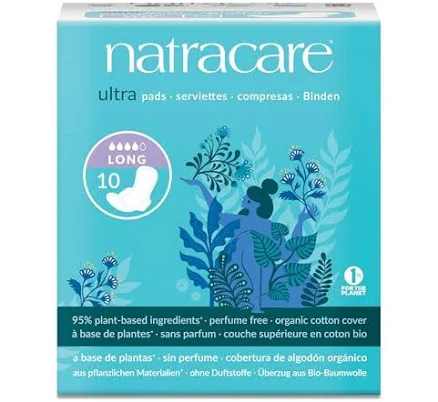
- A third party reports verifying it as PFAS-free
- Fragrance allergens (if scented variant)
2 hazards checked on this product, all on its full breakdown.
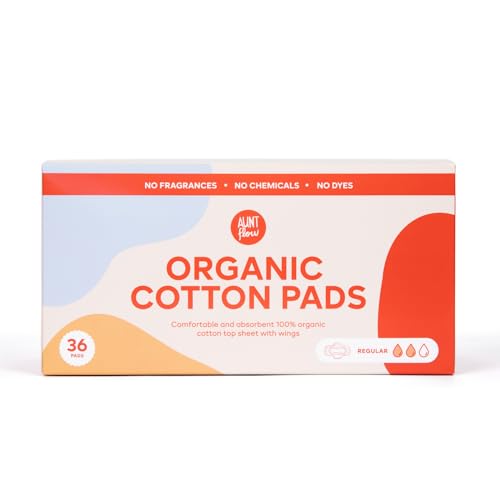
- organic cotton with natural fibers
- The brand calls it PFAS-free, which we have not verified
- Microplastics
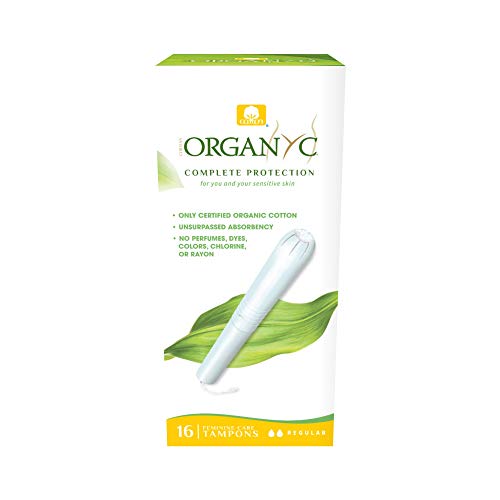
Organyc
100% Certified Organic Cotton Tampons Cardboard Applicator
- 100% organic cotton with cardboard applicator
- We found no PFAS statement from the brand
- Cardboard applicator structural integrity over time
More period care grades
 100Seventh Generation Maxi Pads - Overnight
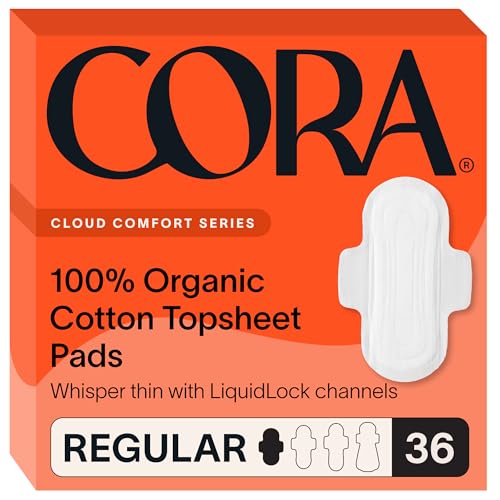 70Cora Organic Cotton Pads
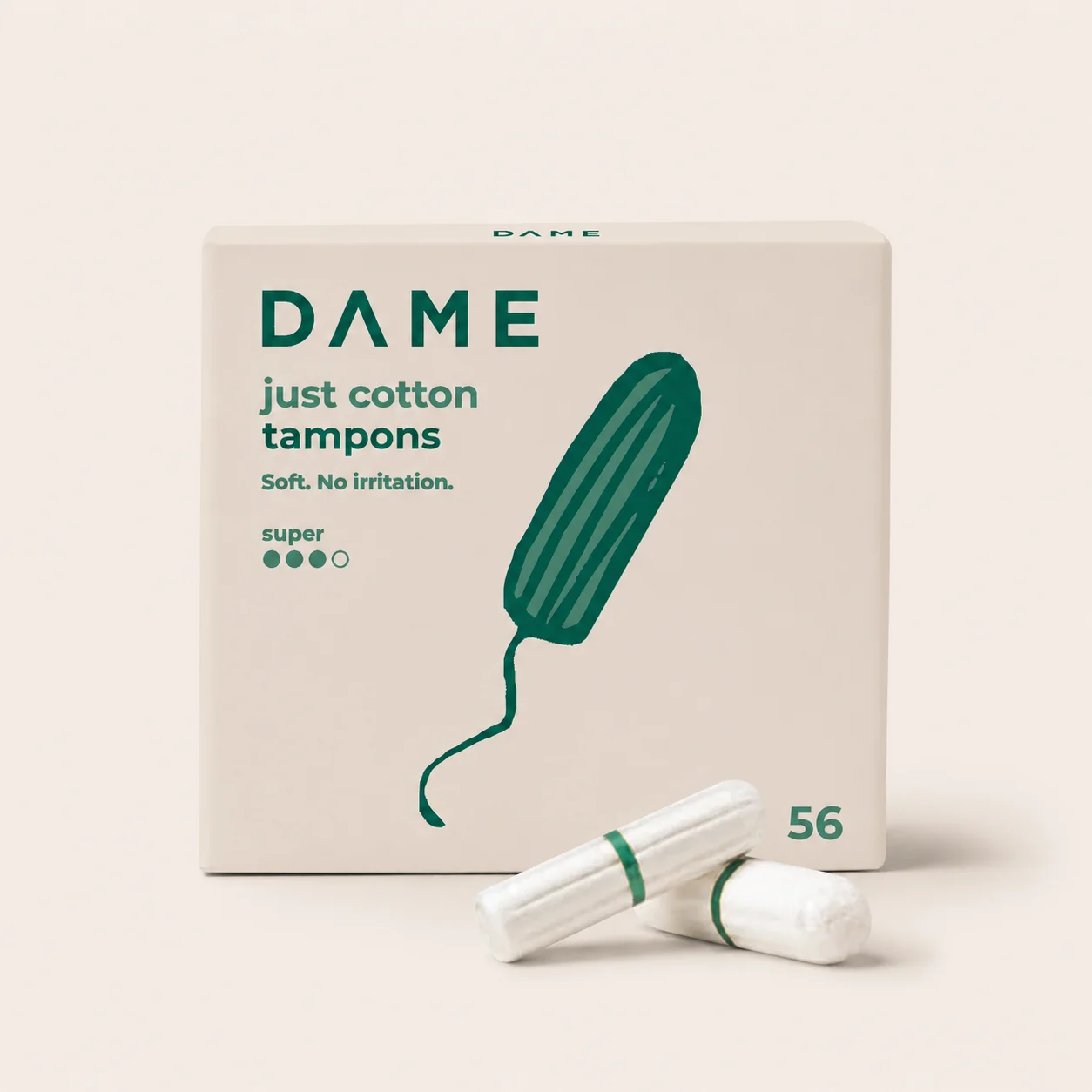 70Dame Organic Cotton Tampons
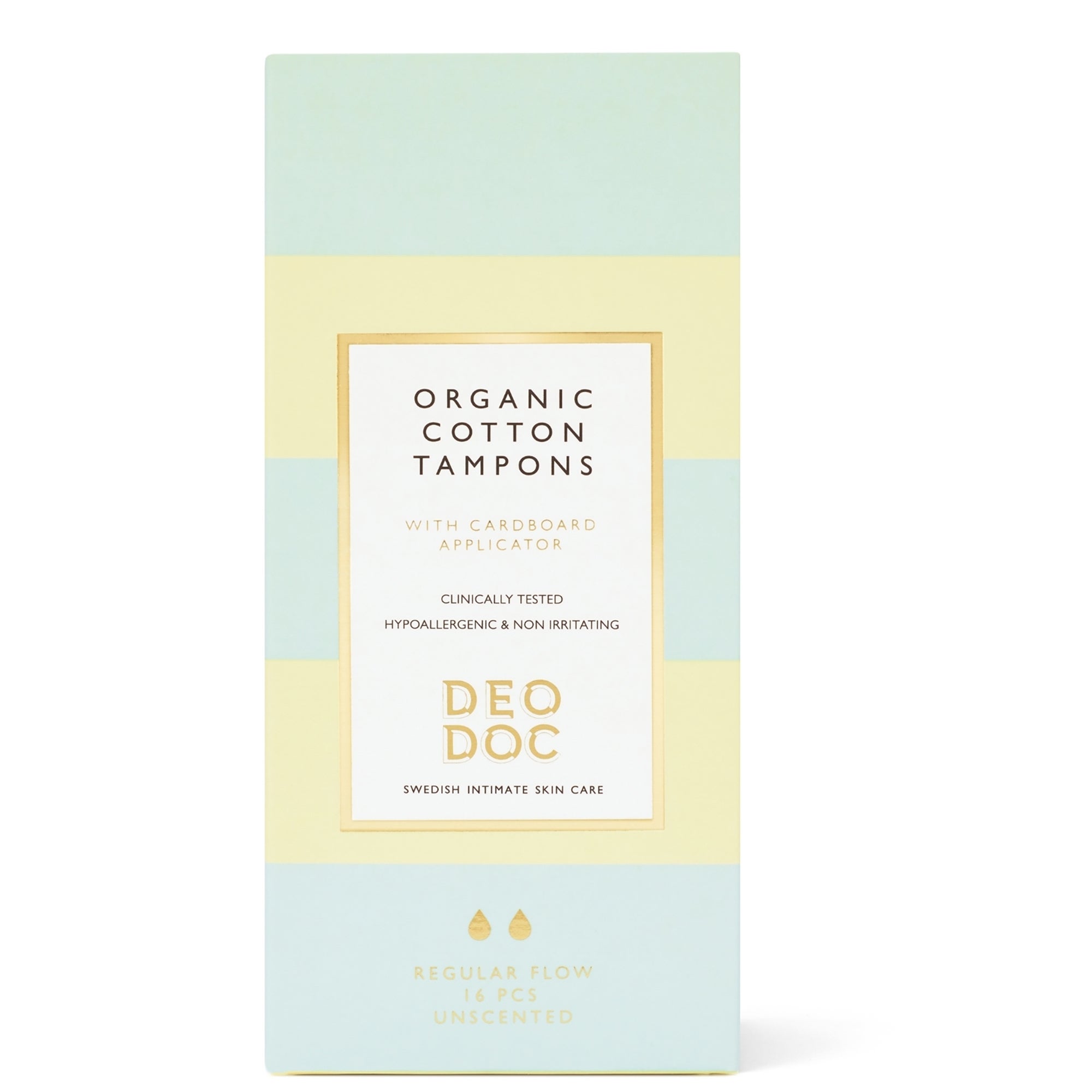 70DeoDoc Cotton Tampons
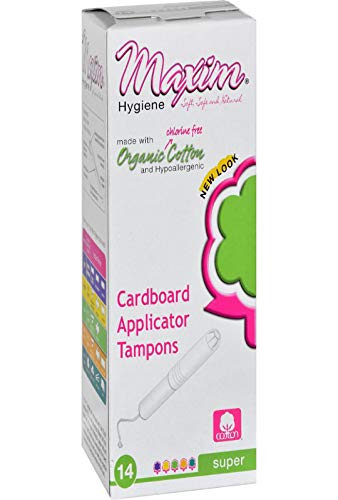 70Maxim Hygiene Organic Cotton Cardboard Applicator Tampons
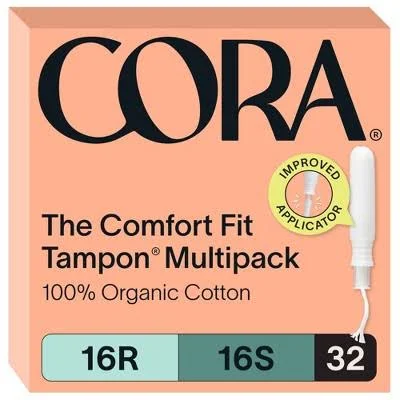 70Cora Organic Tampons
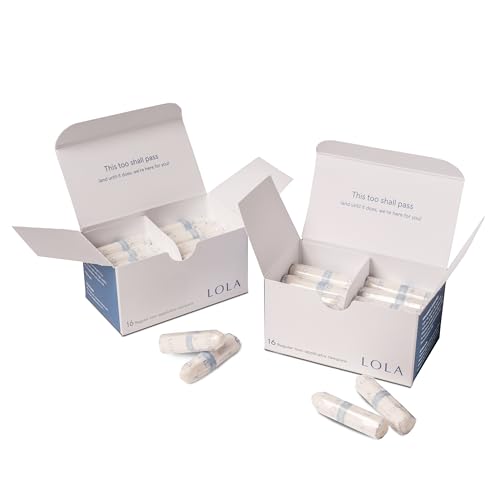 70Lola 100% Organic Cotton Tampons Applicator Free
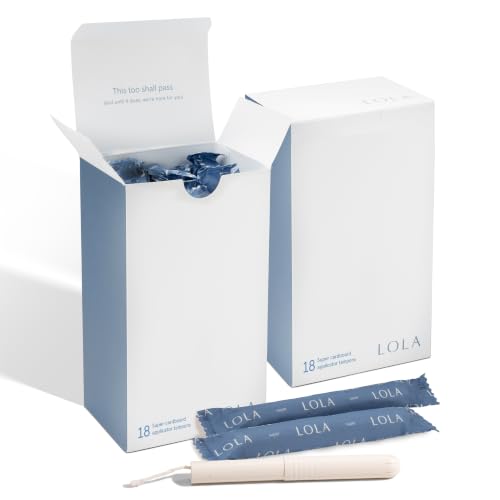 70Lola 100% Organic Cotton Tampons Cardboard Applicator
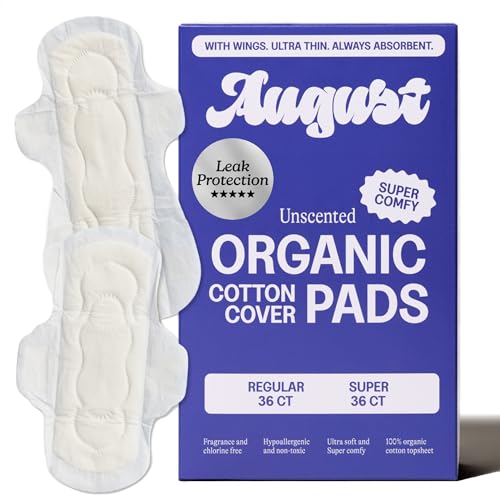 70August Organic Cotton Top Layer Pads, 36-Pack Regular
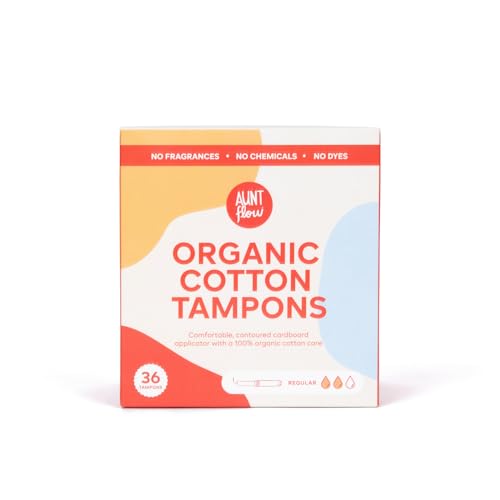 70Aunt Flow Organic Cotton Cardboard Applicator TamponsCompare vs Natracare →All period care →
How we score, every product runs through the same public 0-100 rubric based on materials, coatings, brand disclosure, lab findings, and recalls. See the full methodology → Spotted a mistake? Report an error.