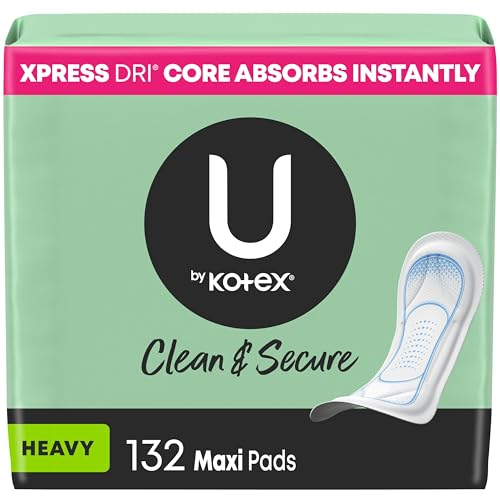
Kotex Maxi Pads
Limited public transparency; period pads unlikely to require PFAS.
Kotex does not publicly disclose PFAS information for maxi pads. The core materials (cellulose, polypropylene, wood pulp) are not typical PFAS carriers, but finished product transparency is absent.
The better-graded swap

Seventh Generation
Seventh Generation Maxi Pads - Overnight
100/100 safety
Same rubric that flunked this product. The swap earned Excellent.
Still want this one anyway? Check the price on Amazon. We’d swap it.
Material
Cellulose, polypropylene, wood pulp blend
Lab data
No public lab test
You may also be interested in
Top-graded picks in the categories readers replace first, every one scored on the same rubric.

- polypropylene filter housing, carbon/sediment cartridge
- We found no PFAS statement from the brand
- Bacterial growth in spent cartridges
3 hazards checked on this product, all on its full breakdown.

Aquasure
Premier Series 75 GPD Under Sink Reverse Osmosis Water Filtration System
- RO membrane, carbon filters, stainless steel housing
- We found no PFAS statement from the brand
- Bacterial and microbial growth in housing and filters
4 hazards checked on this product, all on its full breakdown.

Avocado
Vegan Mattress
- organic cotton, natural latex, coconut coir, recycled steel coils
- The brand calls it PFAS-free, which we have not verified
- Heavy metals
2 hazards checked on this product, all on its full breakdown.
What Kotex Maxi Pads is made of, ingredients and materials
Kotex Maxi Pads are constructed from cellulose, polypropylene, and wood pulp, which are common absorbent and structural materials in period pads. Cellulose and wood pulp are plant-derived and naturally biodegradable; polypropylene is a thermoplastic polymer used in the backing and core for fluid distribution and retention. This material combination is not heated during use and does not come into direct contact with mucous membranes in ways that trigger leaching concerns typical of food-contact plastics or cookware.
What’s concerning
Category baseline
The starting point for this type of product, before anything specific to this product is counted.
No PFAS disclosure
No public statement from the brand about PFAS in this product.
Formaldehyde / VOCs
Industrial cellulose may retain trace formaldehyde from pulping or finishing processes. Residual levels in final absorbent products are typically below regulatory thresholds, but no third-party testing for this product line is publicly available.
Source, ATSDR ↗Polypropylene degradation and microparticle shed
Polypropylene backing can fragment over time with friction or storage stress, potentially releasing microparticles. This is a material class concern rather than a Kotex-specific defect; no recalls document this as a Kotex issue.
Adhesive residue and dermal irritant potential
Adhesive used to secure the pad to undergarments may irritate sensitive skin or cause local allergic contact dermatitis in susceptible users; this is a user-sensitivity issue, not a manufacturing defect.
What’s reassuring
Dyes and colorants in printed layers
Kotex pads use minimal printed decoration; no azo dyes or heavy metal pigment contamination has been reported. Absorbent core materials are typically uncolored or white.
Chlorine bleaching byproducts in wood pulp
Modern pulp bleaching processes are regulated; residual chlorine or dioxin carryover into finished pads is not documented as a concern in this product category and testing is not publicly disclosed for Kotex specifically.
How is this PFAS grade calculated?
The brand's record and disclosure
Kotex (Kimberly-Clark) does not publish detailed ingredient safety transparency reports or third-party certifications for period pads. The brand has no documented safety recalls or substantiated contamination incidents on record for this product line. Industry-wide, period pad manufacturers rarely disclose PFAS use; Kotex's silence on PFAS aligns with category norms rather than indicating a safety gap, as these products are not inherently dependent on fluorinated compounds.
How it compares in its category
Kotex Maxi Pads are positioned as a conventional mass-market option. Compared to organic cotton or certified chemical-free alternatives, Kotex offers lower cost and wider availability but less granular ingredient disclosure. Compared to budget store brands, Kotex has longer market presence and no recalls, though both use similar material profiles. No material class advantage or disadvantage distinguishes Kotex from typical competitors in absorbency or chemical composition.
If you buy it
Store pads in a cool, dry location away from direct sunlight to prevent adhesive degradation over time. Replace the pad if the adhesive backing becomes tacky or the material visibly deteriorates. Do not apply heat to the product. Follow the expiration date printed on the package; older stock may have reduced absorbency due to material settling. Disposal should follow local sanitation guidelines; the product is not flushable despite marketing language in some regions.
What is not known about PFAS in this product?
- Basis
- Model estimate, 45% confidence, not a lab result
- Lab test
- None on record for this exact product
- Brand statement
- Kotex has made a specific claim
Formulations change between production runs, so check the current label. How we grade.
What are the PFAS-free alternatives to Kotex Maxi Pads?
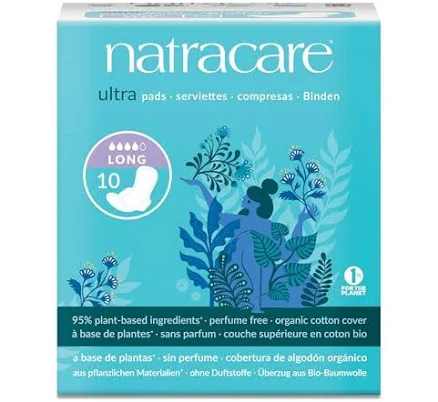
- A third party reports verifying it as PFAS-free
- Fragrance allergens (if scented variant)
2 hazards checked on this product, all on its full breakdown.
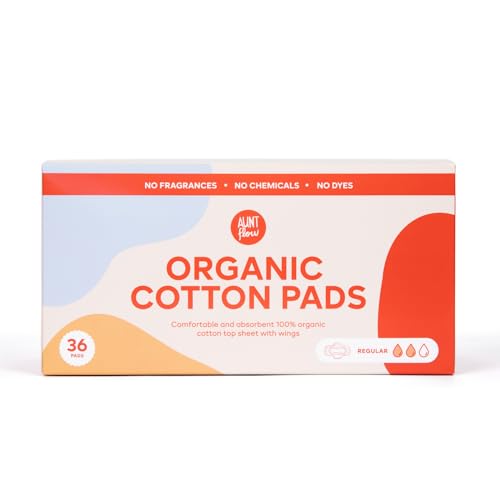
- organic cotton with natural fibers
- The brand calls it PFAS-free, which we have not verified
- Microplastics
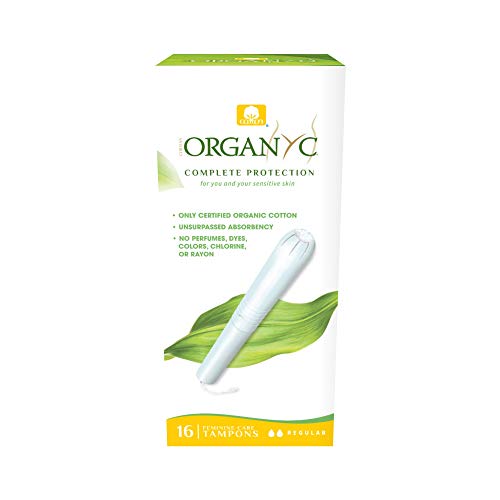
Organyc
100% Certified Organic Cotton Tampons Cardboard Applicator
- 100% organic cotton with cardboard applicator
- We found no PFAS statement from the brand
- Cardboard applicator structural integrity over time
More period care grades
100Seventh Generation Maxi Pads - Overnight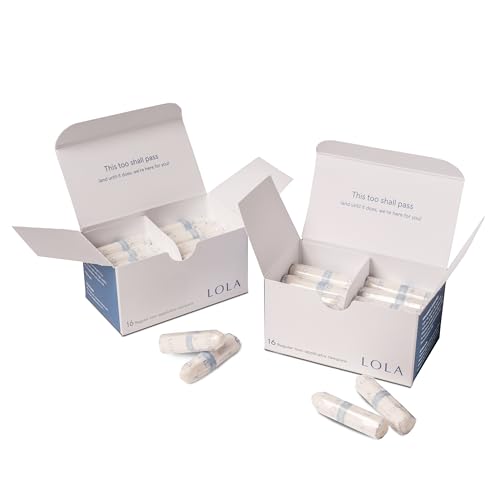 70Lola 100% Organic Cotton Tampons Applicator Free
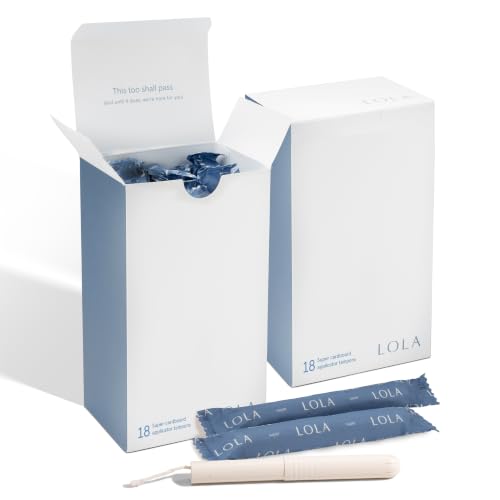 70Lola 100% Organic Cotton Tampons Cardboard Applicator
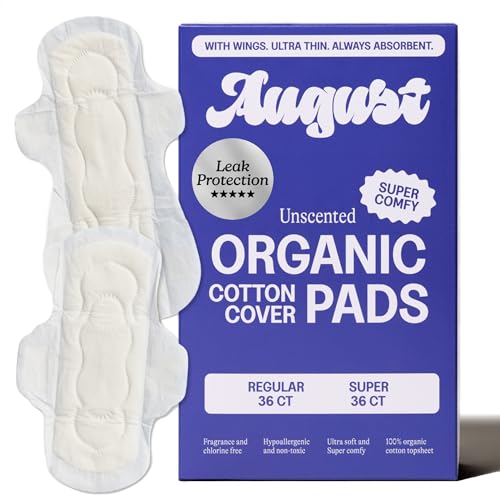 70August Organic Cotton Top Layer Pads, 36-Pack Regular
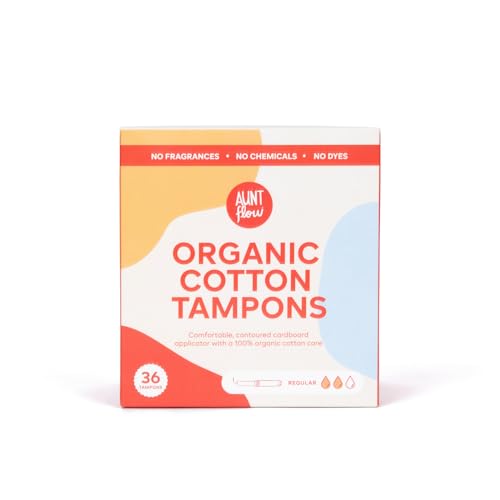 70Aunt Flow Organic Cotton Cardboard Applicator Tampons
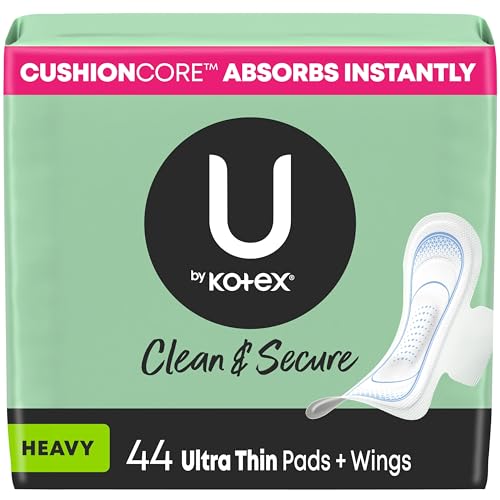 60U by Kotex Bamboo Ultra Thin Pads with Wings, Heavy Absorbency
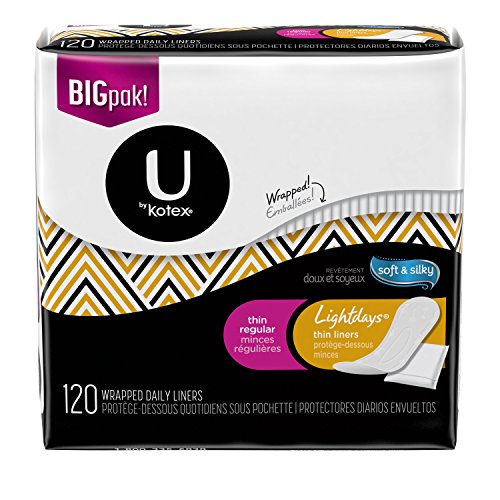 60U by Kotex Security Lightdays Liners
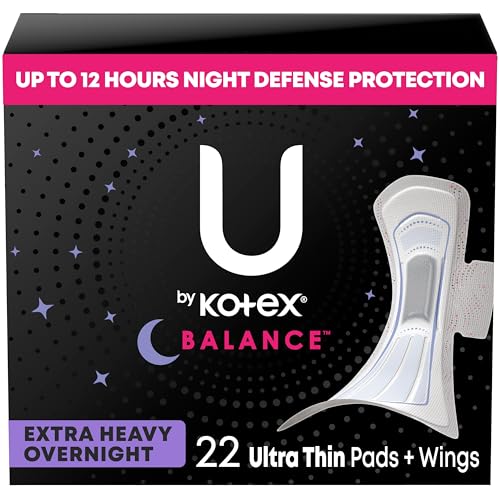 60U by Kotex BioCare Ultra Thin Overnight Pads with Wings, Heavy Absorbency
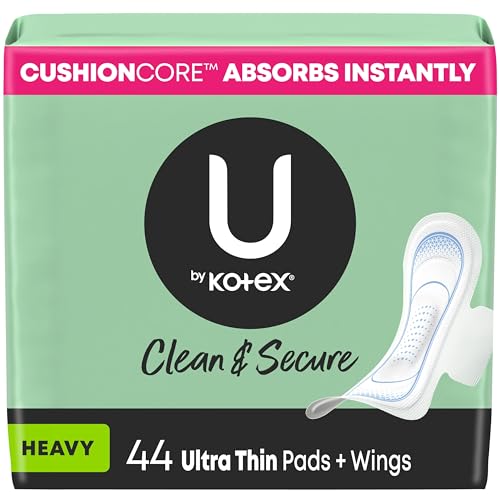 60U by Kotex Ultra Thin Pads with Wings, Heavy Absorbency
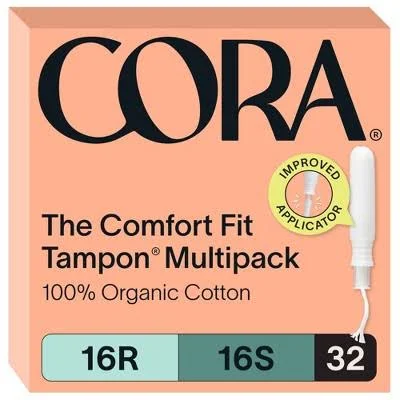 70Cora Organic TamponsCompare vs Natracare →All period care →
How we score, every product runs through the same public 0-100 rubric based on materials, coatings, brand disclosure, lab findings, and recalls. See the full methodology → Spotted a mistake? Report an error.