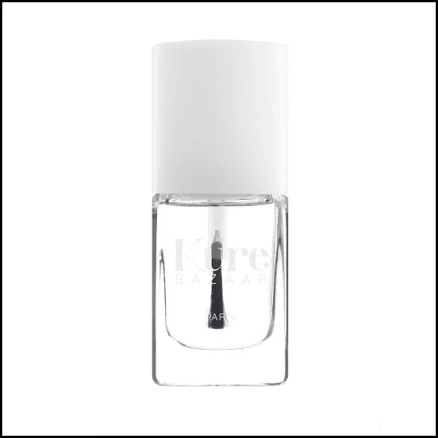
Kure Bazaar · Nail Polish & Top Coat
Kure Bazaar Dry Finish Nail Polish
No public PFAS warning signals; zero transparency means skip if certainty matters.
Kure Bazaar markets a dry-finish formula but makes no PFAS content claims or avoidance statements. Standard nail polish rarely requires PFAS, but the brand offers no ingredient disclosure or verification.
The better-graded swap
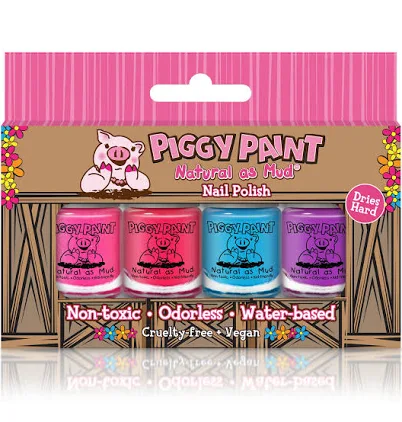
Piggy Paint
Piggy Paint 4-Piece Nail Polish Set
100/100 safety
Same rubric that flunked this product. The swap earned Excellent.
Still want this one anyway? Check the price on Amazon. We’d swap it.
Material
Nitrocellulose, resins, plasticizers (typical nail polish base)
Brand disclosure
Brand is silent on PFAS
Lab data
No public lab test
Is Kure Bazaar Dry Finish Nail Polish non-toxic? What it is made of
Kure Bazaar Dry Finish is a typical nitrocellulose-based lacquer, using volatile organic solvents (likely butyl acetate, ethyl acetate, or similar) to suspend pigments and film-formers. The 'dry finish' designation suggests a matte or satin topcoat formulation, which may use additional silica or matting agents. Nitrocellulose itself is not toxic at the concentrations used in polish, but the solvent package and any plasticizers (dibutyl phthalate or alternatives) determine respiratory and dermal safety during application and wear.
What’s concerning
Category baseline
The starting point for this type of product, before anything specific to this product is counted.
No PFAS disclosure
No public statement from the brand about PFAS in this product.
Volatile Organic Compounds (VOCs) from solvents
Nitrocellulose lacquers inherently release VOCs (butyl acetate, ethyl acetate, toluene if not 'toluene-free') during application and early cure. No public disclosure from Kure Bazaar confirms solvent selection; typical formulations pose low acute risk in ventilated settings but cumulative exposure in poorly ventilated spaces may cause headache, dizziness, or respiratory irritation.
Phthalates
Standard nail polish uses phthalates as plasticizers to improve flexibility and adhesion. Kure Bazaar does not publicly declare phthalate-free status, so presence cannot be ruled out. Dermal absorption from dried polish is negligible, but inhalation of spray or fume during application poses minor exposure risk.
Source, ATSDR ↗Formaldehyde / VOCs
Some nail polish formulations include formaldehyde as a hardener; Kure Bazaar does not advertise formaldehyde-free certification. Hardened polish on the nail poses minimal risk, but uncured or very fresh application may off-gas trace formaldehyde in poorly ventilated conditions.
Source, ATSDR ↗Skin sensitization from resins or fragrance
Nail polish resins (tosylamide-formaldehyde resin, camphor) and any added fragrance compounds may trigger contact dermatitis in sensitive individuals. Kure Bazaar does not publish full ingredient lists, so irritant potential for individual users cannot be assessed without patch testing or prior reaction history.
What’s reassuring
Base material not linked to PFAS
The main material recorded for this product is not one associated with PFAS.
Lead
No recalls or test data publicly link Kure Bazaar to heavy metal contamination. Nail polish undergoes limited regulatory scrutiny for metal content in most jurisdictions; standard cosmetic-grade pigments in branded products are generally compliant with FDA color additives, but brand-specific testing is not disclosed.
Source, ATSDR ↗The full breakdown
The brand's record and disclosure
Kure Bazaar maintains silence on PFAS, heavy metal screening, or banned chemical avoidance. The brand does not publish ingredient transparency lists or third-party safety certifications (no Cradle to Cradle, EWG verification, or similar). No public recalls or safety controversies are documented for this product line. Without visible commitment to chemical disclosure, assessment relies entirely on general nail polish safety standards rather than brand-specific assurance.
How it compares in its category
Kure Bazaar occupies the mid-tier 'clean' nail polish market alongside brands like Ella+Mila and Zoya that market toxin reduction. However, unlike competitors, Kure Bazaar does not prominently advertise '3-free,' '5-free,' or '7-free' status (exclusion of toluene, dibutyl phthalate, formaldehyde, etc.). This does not automatically mean the product contains these chemicals, but it signals lower transparency relative to peers with disclosed formulations. Performance and durability appear comparable to conventional lacquers.
If you buy it
Apply in well-ventilated spaces to minimize solvent inhalation; open windows or use a fume extractor during and for 15 minutes after application. Avoid contact with skin around the nail and lips; dried polish on skin is low-risk. Replace the bottle cap immediately to prevent solvent evaporation and container corrosion. Remove polish with acetone-free remover if possible to reduce additional solvent exposure. Monitor nails for yellowing or brittleness after prolonged wear (weekly reapplication); discontinue if damage occurs.
What we don’t know
- Basis
- Model estimate, 35% confidence, not a lab result
- Lab test
- None on record for this exact product
- Brand statement
- Kure Bazaar has made none
Formulations change between production runs, so check the current label. How we grade.
Better-graded alternatives in Nail Polish & Top Coat
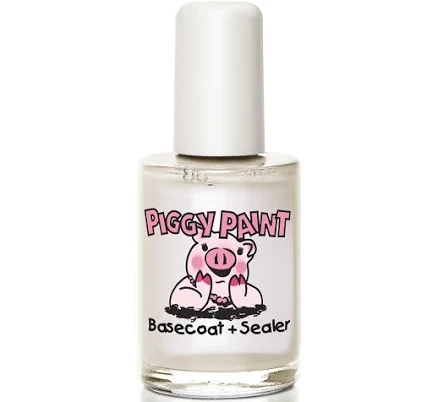
Piggy Paint
Basecoat & Sealer Nail Polish
- Water-based organic pigments and plant-derived resins
- The brand calls it PFAS-free, which we have not verified
- Heavy metals
3 hazards checked on this product. See all of them.
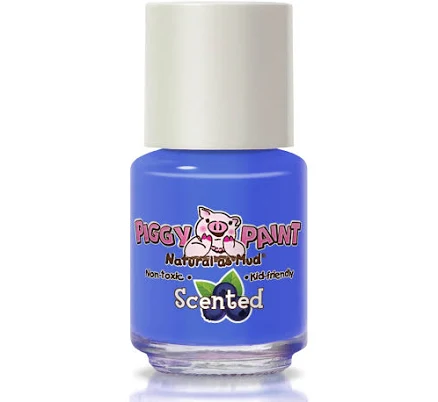
Piggy Paint
Nail Polish Piggy Paint
- water-based pigmented lacquer
- The brand calls it PFAS-free, which we have not verified
- Volatile organic compounds (VOCs) from resins and solvents
3 hazards checked on this product. See all of them.
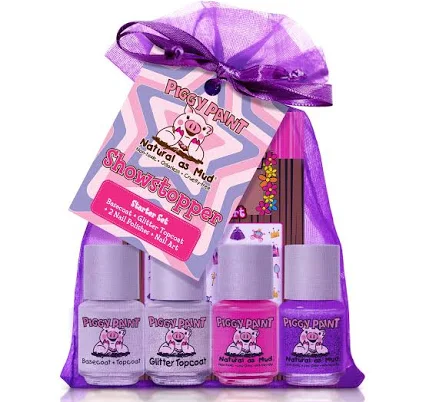
Piggy Paint
Showstopper Nail Polish Set
- organic pigments, plant-based resins, water-based lacquer
- The brand calls it PFAS-free, which we have not verified
- Volatile organic compounds (VOCs)
2 hazards checked on this product. See all of them.
More nail polish & top coat grades
How we score, every product runs through the same public 0-100 rubric based on materials, coatings, brand disclosure, lab findings, and recalls. See the full methodology → Spotted a mistake? Report an error.