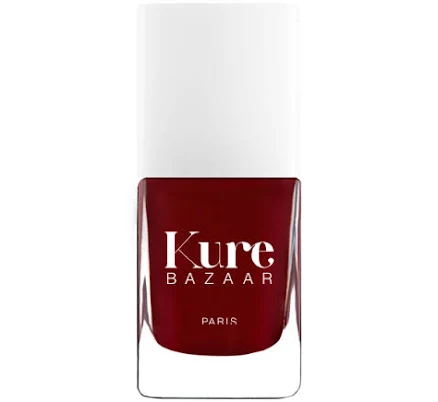
Kure Bazaar · Nail Polish & Top Coat
Kure Bazaar Parisienne Nail Polish
No public PFAS evidence, though brand makes no commitment or disclosure.
Kure Bazaar is an indie brand; nail formulas typically use film-forming resins and plasticizers, not inherently PFAS-prone like water-repellent coatings. No testing or transparency is publicly available.
The better-graded swap
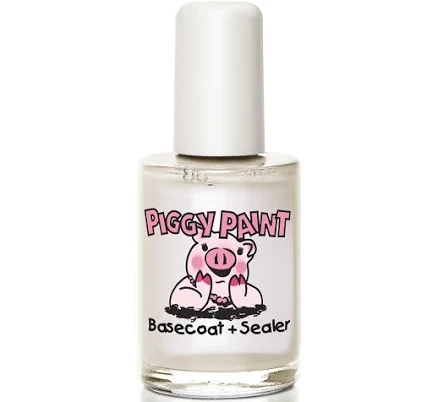
Piggy Paint
Piggy Paint Basecoat & Sealer Nail Polish
100/100 safety
Same rubric that flunked this product. The swap earned Excellent.
Still want this one anyway? Check the price on Amazon. We’d swap it.
Material
Lacquer-based nail polish (typical formulation, resins, plasticizers, solvents)
Brand disclosure
Brand is silent on PFAS
Lab data
No public lab test
Is Kure Bazaar Parisienne Nail Polish non-toxic? What it is made of
Kure Bazaar Parisienne is a lacquer-based nail polish, meaning it contains film-forming resins (typically nitrocellulose), plasticizers (often dibutyl phthalate or DBP alternatives), and volatile organic solvents (acetone, ethyl acetate, toluene). These components evaporate during application and drying, which is why ventilation matters. The brand positions itself as '7-free' or '10-free,' excluding common hazardous chemicals like toluene and dibutyl phthalate, though full ingredient disclosure is limited.
What’s concerning
Category baseline
The starting point for this type of product, before anything specific to this product is counted.
No PFAS disclosure
No public statement from the brand about PFAS in this product.
Volatile organic solvents (VOC) - inhalation exposure
Nail polish inherently releases acetone and ethyl acetate vapor during application and drying. Kure Bazaar does not disclose whether toluene is present, but claims it is toluene-free. Short-term exposure in well-ventilated settings is low-risk; prolonged or unventilated use can cause headache, dizziness, or respiratory irritation.
Phthalates
The brand claims to exclude dibutyl phthalate (DBP), a reproductive hazard, but does not publicly disclose which plasticizers are used instead (e.g., triphenyl phosphate, diethyl phthalate). Without full ingredient transparency, residual phthalate content cannot be ruled out.
Source, ATSDR ↗Skin sensitization from fragrance or dyes
Nail polish often contains synthetic fragrances and colorants; nail polish application does not typically contact skin in large amounts, but cuticle or finger skin contact during application could trigger mild irritation in sensitive individuals. Kure Bazaar does not disclose specific fragrance or dye composition.
What’s reassuring
Base material not linked to PFAS
The main material recorded for this product is not one associated with PFAS.
Formaldehyde / VOCs
Kure Bazaar markets this as formaldehyde-free, consistent with '7-free' or '10-free' standards. No public evidence contradicts this claim, and formaldehyde has been phased out of most mainstream brands.
Source, ATSDR ↗Nitrocellulose polymer film safety
Nitrocellulose is the standard film-former in lacquer polishes and has a long safety record. No toxicity concerns are established for topical use on hardened nails; the hazard is primarily occupational inhalation in manufacturing, not consumer use.
The full breakdown
The brand's record and disclosure
Kure Bazaar is a French indie cosmetics brand marketed as clean and non-toxic. The brand does not publicly disclose PFAS testing or commitment to PFAS avoidance, despite marketing around safety. No major safety recalls or regulatory violations are on record for this product line. Third-party certifications (e.g., dermatological testing claims) are mentioned but formal vegan or cruelty-free certification status is unclear from public sources.
How it compares in its category
Nail polish is inherently a solvent-heavy category; Kure Bazaar's '7-free' or '10-free' positioning places it in the mainstream 'cleaner' segment alongside brands like Essie Bikini So Teeny or Sally Hansen Insta-Dri reformulations. Most major brands now exclude the worst actors (DBP, formaldehyde, toluene), so Kure Bazaar is not exceptional but appropriate for consumers seeking reduced chemical exposure without premium price tags. Standard polishes present lower concern than gel or acrylics when used with ventilation.
If you buy it
Apply in a well-ventilated area (open window or fan) to minimize inhalation of volatile solvents; typical application is 2-3 minutes of exposure per manicure. Polish hardens in minutes but full cure takes 24 hours. Remove with acetone-based remover rather than non-acetone alternatives, which often require longer soaking and can be more irritating. Replace the bottle cap tightly after use; lacquer polishes separate and thicken over time, especially if caps are left loose. Discard if consistency becomes gummy or separation persists after shaking.
What we don’t know
- Basis
- Model estimate, 45% confidence, not a lab result
- Lab test
- None on record for this exact product
- Brand statement
- Kure Bazaar has made none
Formulations change between production runs, so check the current label. How we grade.
Better-graded alternatives in Nail Polish & Top Coat
Piggy Paint
Basecoat & Sealer Nail Polish
- Water-based organic pigments and plant-derived resins
- The brand calls it PFAS-free, which we have not verified
- Heavy metals
3 hazards checked on this product. See all of them.
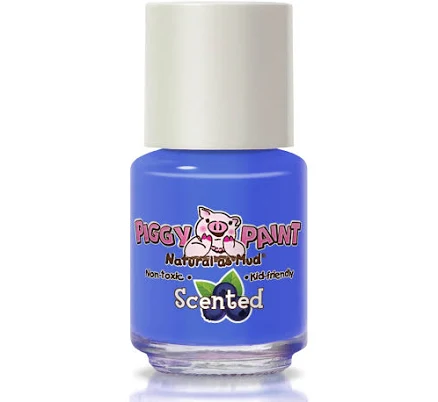
Piggy Paint
Nail Polish Piggy Paint
- water-based pigmented lacquer
- The brand calls it PFAS-free, which we have not verified
- Volatile organic compounds (VOCs) from resins and solvents
3 hazards checked on this product. See all of them.
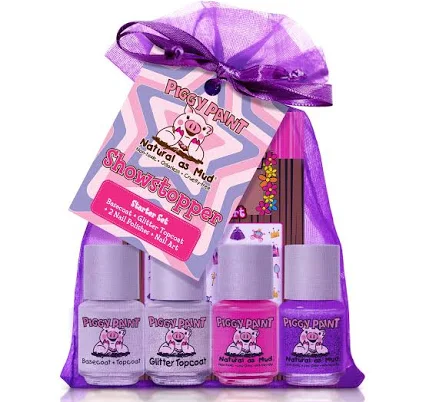
Piggy Paint
Showstopper Nail Polish Set
- organic pigments, plant-based resins, water-based lacquer
- The brand calls it PFAS-free, which we have not verified
- Volatile organic compounds (VOCs)
2 hazards checked on this product. See all of them.
More nail polish & top coat grades
How we score, every product runs through the same public 0-100 rubric based on materials, coatings, brand disclosure, lab findings, and recalls. See the full methodology → Spotted a mistake? Report an error.