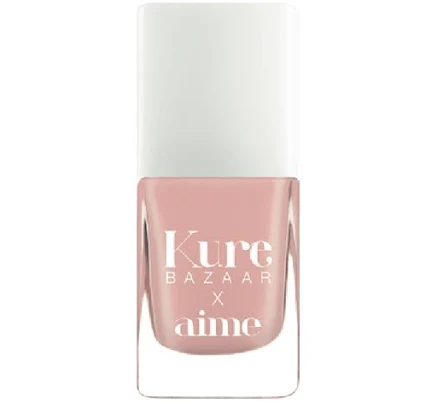
Kure Bazaar · Nail Polish & Top Coat
Kure Bazaar Pink Glow Nail Polish
Skip until brand discloses PFAS status; polish opacity obscures presence.
Kure Bazaar makes no PFAS statement for this product. While PFAS can appear in certain colorants or film-forming agents, no third-party testing or brand verification is available.
The better-graded swap
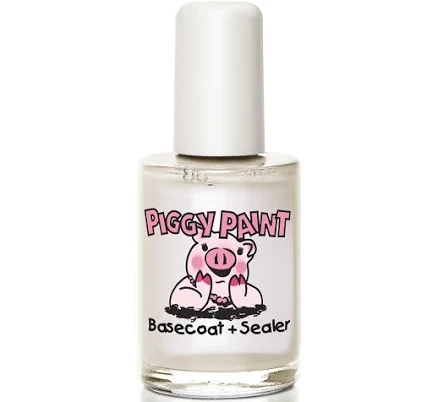
Piggy Paint
Piggy Paint Basecoat & Sealer Nail Polish
100/100 safety
Same rubric that flunked this product. The swap earned Excellent.
Still want this one anyway? Check the price on Amazon. We’d swap it.
Material
Nitrocellulose lacquer base with organic pigments (typical nail polish composition)
Brand disclosure
Brand is silent on PFAS
Lab data
No public lab test
Is Kure Bazaar Pink Glow Nail Polish non-toxic? What it is made of
Kure Bazaar Pink Glow is a nitrocellulose-based lacquer polish, the standard nail polish chemistry. Nitrocellulose itself is stable when cured on the nail, but the solvent package (typically toluene, xylene, dibutyl phthalate or alternatives) and organic pigments carry the main chemical load. The 'pink glow' effect likely comes from synthetic iron oxides, mica, or proprietary dyes. During application and drying, volatile organic compounds (VOCs) are released into the breathing air; the coating itself poses minimal risk once hardened on the nail.
What’s concerning
Category baseline
The starting point for this type of product, before anything specific to this product is counted.
No PFAS disclosure
No public statement from the brand about PFAS in this product.
Volatile Organic Compounds (VOCs) from solvents
Nitrocellulose polishes emit toluene and xylene vapors during application and drying. Kure Bazaar does not disclose its solvent package publicly, so specific VOC load cannot be verified, but standard lacquer formulations are respiratory irritants in unventilated spaces.
Dibutyl phthalate (DBP) or phthalate esters
DBP is a plasticizer commonly used in traditional nail polishes to prevent brittleness. Kure Bazaar's marketing does not claim phthalate-free status, and no ingredient list is publicly available. If present, DBP exposure from nail polish is minimal (skin contact only, rapid drying), but inhalation of vapors during application is the primary route.
Formaldehyde / VOCs
Some nail polishes include formaldehyde-releasing resins for hardening and shine. Kure Bazaar does not disclose this. If present, formaldehyde off-gasses mainly during and shortly after application; once cured, exposure is negligible.
Source, ATSDR ↗Allergic contact dermatitis from fragrance or acrylates
Nail polish may contain fragrance compounds or residual (meth)acrylic monomers that trigger skin sensitization in susceptible individuals. Kure Bazaar does not disclose fragrance ingredients. Onset is usually delayed (hours to days after exposure); discontinue use if rash or itching develops around the nail bed or cuticles.
What’s reassuring
Base material not linked to PFAS
The main material recorded for this product is not one associated with PFAS.
Heavy metals
Pink and glow formulas typically use FDA-approved synthetic iron oxides and mica coatings, which do not migrate into the bloodstream through intact skin. No recalls or reports specific to Kure Bazaar Pink Glow pigment contamination exist. Risk from pigment exposure is extremely low in normal use.
Source, FDA ↗The full breakdown
The brand's record and disclosure
Kure Bazaar is a Paris-based indie nail brand that markets itself as premium and cosmetic-focused, but has published no verifiable third-party certifications (e.g., 10-free, 12-free, clean beauty claims are marketing language without backing). The brand does not disclose solvent content, pigment sourcing, or PFAS use publicly. No major recalls or safety controversies are on record for this specific product line, but the absence of disclosure about PFAS content (which can appear in some branded nail polish formulations) is a transparency gap.
How it compares in its category
Most commercial nail polishes share this nitrocellulose-lacquer structure. Kure Bazaar sits in the premium segment (higher price point) but lacks the third-party 'free-from' certifications that brands like Ella+Mila or Zoya trumpet. Budget polishes and premium polishes carry similar chemical hazard classes; the difference is mainly in pigment quality and durability, not fundamental safety. Without disclosed formulation details, direct comparison to certified 'clean' alternatives is difficult.
If you buy it
Apply in a well-ventilated space or outdoors; typical nail salons do not meet safety air-change standards. Avoid prolonged inhalation of fumes during application and drying (first 5-10 minutes are the highest-VOC window). Do not apply near heat sources or open flames. Replace or remove the polish if the coating chips heavily or becomes visibly degraded, as exposed nail bed contact with old lacquer is unnecessary; most nail polish wears off naturally within 1-2 weeks. Store in a cool, dark place and keep the cap sealed tightly to prevent solvent evaporation.
What we don’t know
- Basis
- Model estimate, 45% confidence, not a lab result
- Lab test
- None on record for this exact product
- Brand statement
- Kure Bazaar has made none
Formulations change between production runs, so check the current label. How we grade.
Better-graded alternatives in Nail Polish & Top Coat
Piggy Paint
Basecoat & Sealer Nail Polish
- Water-based organic pigments and plant-derived resins
- The brand calls it PFAS-free, which we have not verified
- Heavy metals
3 hazards checked on this product. See all of them.
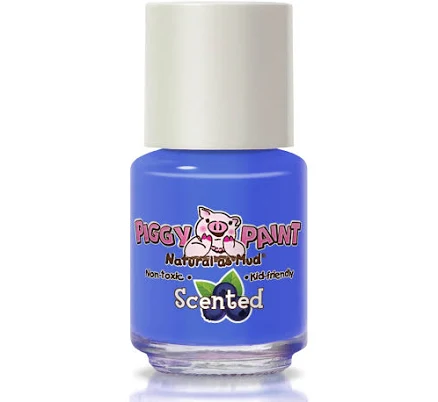
Piggy Paint
Nail Polish Piggy Paint
- water-based pigmented lacquer
- The brand calls it PFAS-free, which we have not verified
- Volatile organic compounds (VOCs) from resins and solvents
3 hazards checked on this product. See all of them.
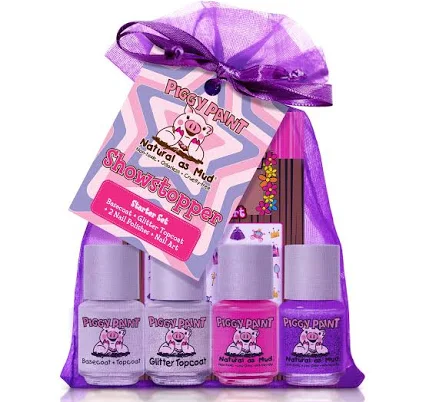
Piggy Paint
Showstopper Nail Polish Set
- organic pigments, plant-based resins, water-based lacquer
- The brand calls it PFAS-free, which we have not verified
- Volatile organic compounds (VOCs)
2 hazards checked on this product. See all of them.
More nail polish & top coat grades
How we score, every product runs through the same public 0-100 rubric based on materials, coatings, brand disclosure, lab findings, and recalls. See the full methodology → Spotted a mistake? Report an error.