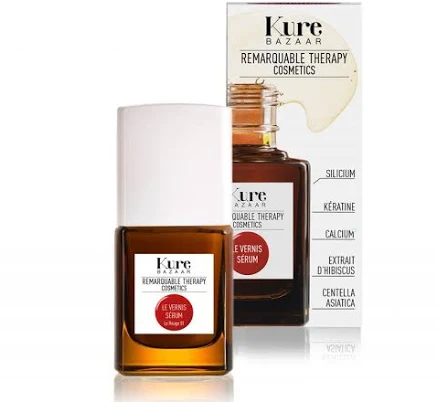
Kure Bazaar · Nail Polish & Top Coat
Le Kure Bazaar
Lower PFAS concern typical of clean-beauty cosmetics; no brand PFAS pledge.
This clean-beauty brand emphasizes plant-based, non-toxic formulations but provides no PFAS avoidance disclosure or third-party verification. Most conventional cosmetics rarely require PFAS unless waterproofing is involved.
We flunk more products than we pass. This one earned its grade. How we grade
Material
Plant-based/natural cosmetic ingredients (typical formulations)
Brand disclosure
Brand is silent on PFAS
Lab data
No public lab test
Is Le Kure Bazaar non-toxic? What it is made of
Kure Bazaar markets Le Kure Bazaar as plant-based and free from 'toxic trio' ingredients (dibutyl phthalate, toluene, formaldehyde), which are common plasticizers and resins in conventional polish. Plant-derived binders and pigments replace some petrochemical components, reducing volatile organic compound (VOC) exposure during application and drying. However, nail polish inherently requires film-forming agents and solvents; even plant-based formulas use acetone or similar removers and some synthetic stabilizers to achieve durability and shine.
What’s concerning
Category baseline
The starting point for this type of product, before anything specific to this product is counted.
No PFAS disclosure
No public statement from the brand about PFAS in this product.
Volatile organic compounds (VOCs) and solvent exposure
Even plant-based formulas require volatile solvents (acetone, ethyl acetate) for application and drying. Inhalation during application in poorly ventilated spaces carries low but real respiratory irritation risk, particularly for frequent users or those with asthma.
Skin sensitization from fragrance or dyes
Plant-based cosmetics may contain natural essential oils or botanical extracts that trigger contact dermatitis or allergic reaction in sensitive individuals. Kure Bazaar does not list fragrance or allergen information publicly, limiting ability to assess individual risk.
What’s reassuring
Base material not linked to PFAS
The main material recorded for this product is not one associated with PFAS.
Heavy metals
No recalls or documented contamination for Kure Bazaar specifically. Plant-based dyes may have lower heavy metal risk than synthetic iron oxides or cadmium-based pigments, but brand provides no certified testing data to confirm absence of lead or cadmium in colored formulas.
Source, FDA ↗Formaldehyde / VOCs
Brand claims formaldehyde-free formulation. Absent public disclosure of preservative chemistry, risk cannot be ruled out entirely, but 'toxic trio' marketing suggests avoidance of common formaldehyde-releasing agents (imidazolidinyl urea, dmdm hydantoin).
Source, ATSDR ↗Microplastics
Plant-based formulas reduce synthetic polymer use, lowering shedding risk relative to glitter or mica-heavy conventional polishes. No independent testing of Kure Bazaar particles on record; risk is primarily theoretical in this category.
Source, EPA ↗The full breakdown
The brand's record and disclosure
Kure Bazaar does not publish detailed ingredient lists or third-party certifications (such as EWG verification or Leaping Bunny) on widely available public records. The brand makes no explicit PFAS commitment or disclosure, though the plant-based positioning suggests lower reliance on fluorinated water-resistance coatings typical of some premium polishes. No safety recalls or substantiated toxicity complaints are documented for this product line as of available public information.
How it compares in its category
Plant-based nail polishes occupy a middle tier in terms of safety perception, they typically avoid the 'big three' toxic chemicals and heavy metals better than conventional brands, but lack the rigorous transparency and third-party testing of certified clean brands (e.g., Ella+Mila, Zoya). Kure Bazaar's position is marketing-driven rather than verification-backed, which places it above mass-market brands but below fully transparent indie or certified alternatives in terms of verifiable safety claims.
If you buy it
Apply in well-ventilated spaces to minimize inhalation of remaining solvents and VOCs. Use acetone-free remover if available to reduce skin barrier damage during removal. Nail polish has no ingestion risk if applied only to nails and hands are dried before eating or drinking. Replace bottles every 2 to 3 years or if formula thickens, as reformulation or separation may degrade performance and introduce contamination; discard if cap is loose or product has separated.
What we don’t know
- Basis
- Model estimate, 62% confidence, not a lab result
- Lab test
- None on record for this exact product
- Brand statement
- Kure Bazaar has made none
Formulations change between production runs, so check the current label. How we grade.
Better-graded alternatives in Nail Polish & Top Coat
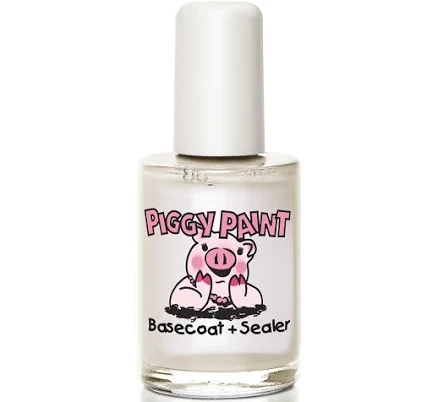
Piggy Paint
Basecoat & Sealer Nail Polish
- Water-based organic pigments and plant-derived resins
- The brand calls it PFAS-free, which we have not verified
- Heavy metals
3 hazards checked on this product. See all of them.
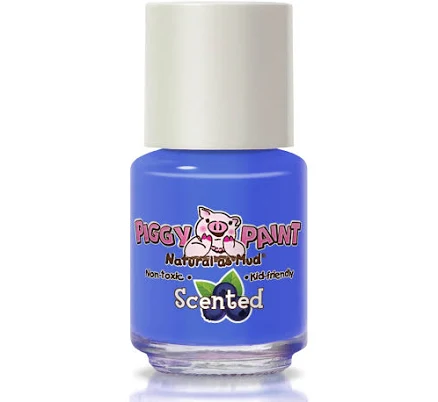
Piggy Paint
Nail Polish Piggy Paint
- water-based pigmented lacquer
- The brand calls it PFAS-free, which we have not verified
- Volatile organic compounds (VOCs) from resins and solvents
3 hazards checked on this product. See all of them.
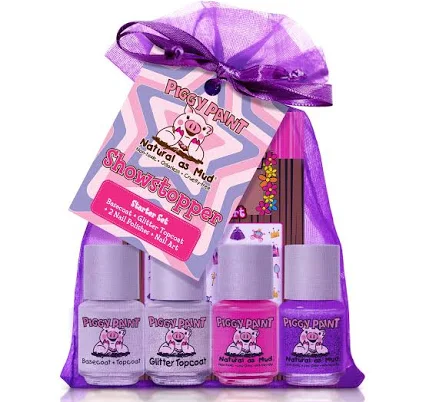
Piggy Paint
Showstopper Nail Polish Set
- organic pigments, plant-based resins, water-based lacquer
- The brand calls it PFAS-free, which we have not verified
- Volatile organic compounds (VOCs)
2 hazards checked on this product. See all of them.
More nail polish & top coat grades
How we score, every product runs through the same public 0-100 rubric based on materials, coatings, brand disclosure, lab findings, and recalls. See the full methodology → Spotted a mistake? Report an error.