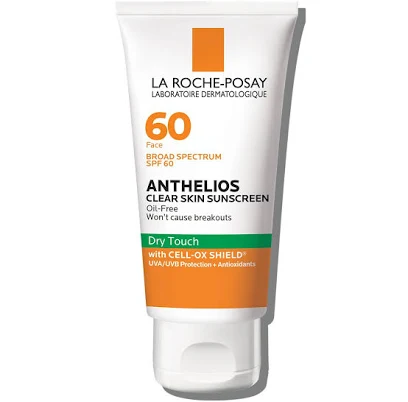
La Roche Posay Anthelios Clear Skin Dry Touch Sunscreen SPF 60
Lower concern. Main material recorded is not linked to PFAS.
La Roche-Posay has no PFAS statement on record for this water-based sunscreen. The material as recorded is not a type associated with PFAS.
We flunk more products than we pass. This one earned its grade. How we grade
Material
Water-based sunscreen emulsion (likely zinc oxide or titanium dioxide mineral UV filters with glycerin, silicone, and pl
Brand disclosure
Brand is silent on PFAS
Lab data
No public lab test
You may also be interested in
Top-graded picks in the categories readers replace first, every one scored on the same rubric.

- polypropylene filter housing, carbon/sediment cartridge
- We found no PFAS statement from the brand
- Bacterial growth in spent cartridges
3 hazards checked on this product, all on its full breakdown.

Aquasure
Premier Series 75 GPD Under Sink Reverse Osmosis Water Filtration System
- RO membrane, carbon filters, stainless steel housing
- We found no PFAS statement from the brand
- Bacterial and microbial growth in housing and filters
4 hazards checked on this product, all on its full breakdown.

Avocado
Vegan Mattress
- organic cotton, natural latex, coconut coir, recycled steel coils
- The brand calls it PFAS-free, which we have not verified
- Heavy metals
2 hazards checked on this product, all on its full breakdown.
What La Roche Posay Anthelios Sunscreen SPF is made of, ingredients and materials
Anthelios Clear Skin uses mineral UV filters (zinc oxide or titanium dioxide) rather than chemical absorbers, which means the active ingredients sit on skin surface rather than being absorbed systemically. The water-based emulsion likely contains glycerin for hydration, silicones for smooth texture, and standard cosmetic preservatives and emulsifiers. Mineral formulations are generally considered lower-risk for systemic absorption concerns, though the overall safety depends on inactive ingredients and manufacturing controls.
What’s concerning
Category baseline
The starting point for this type of product, before anything specific to this product is counted.
No PFAS disclosure
No public statement from the brand about PFAS in this product.
Heavy metals
Zinc oxide and titanium dioxide used in cosmetics can sometimes contain trace lead or cadmium depending on ore source and refining. No specific testing data for this product is publicly available; the risk is present but typically minimal in major brand formulations subject to cosmetic regulations.
Source, FDA ↗Fragrance allergens and undisclosed fragrance components
If this formula contains fragrance, individual components may not be listed; known irritants like limonene or linalool can trigger contact dermatitis in sensitive individuals. La Roche-Posay does not routinely disclose fragrance composition.
Formaldehyde / VOCs
Water-based emulsions require preservatives to prevent microbial growth; common choices like methylisothiazolinone or phenoxyethanol can irritate sensitive skin or release trace formaldehyde. No specific preservative list is disclosed in standard marketing materials.
Source, ATSDR ↗What’s reassuring
Base material not linked to PFAS
The main material recorded for this product is not one associated with PFAS.
Silicone accumulation on skin with repeated use
Silicones in this formula improve texture but are not absorbed and can build up on skin if not cleansed thoroughly. This is a cosmetic and cleansing concern, not a systemic toxicity hazard.
Nanoparticle inhalation risk (if aerosolized product exists)
This is a lotion, not a spray; nanoparticle inhalation is not a concern for this specific formulation type.
How is this PFAS grade calculated?
The brand's record and disclosure
La Roche-Posay (L'Oreal subsidiary) does not publicly disclose comprehensive ingredient sourcing or contaminant testing data, though the parent company has faced scrutiny over PFAS in some product lines. No significant recalls or contamination incidents specific to Anthelios Clear Skin are on record. The brand markets itself as dermatologist-recommended and suitable for sensitive skin, but transparency on heavy metals, impurities, or fragrance allergens remains limited.
How it compares in its category
Mineral sunscreens like this occupy the safer end of the sunscreen spectrum relative to chemical filters (oxybenzone, avobenzone, etc.), which carry absorption and hormone-disruption concerns. The 'clear skin' variant positions itself between ultra-thick zinc oxide pastes and lightweight chemical formulations. Most major dermatology-grade mineral sunscreens share similar hazard profiles; this product's main differentiator is texture and cosmetic elegance, not safety.
If you buy it
Apply generously (about 1/4 teaspoon for face) and reapply every 2 hours or after water exposure; mineral filters require adequate thickness to be effective. Store in a cool, dry place away from direct heat; silicone-based formulations can separate if exposed to extreme temperatures but maintain their intended performance. If you develop irritation, discontinue and patch-test on a small area first. Check expiration date; sunscreen potency degrades over 1-2 years of typical storage.
What is not known about PFAS in this product?
- Basis
- Model estimate, 78% confidence, not a lab result
- Lab test
- None on record for this exact product
- Brand statement
- La Roche-Posay has made none
Formulations change between production runs, so check the current label. How we grade.
What are the PFAS-free alternatives to La Roche Posay Anthelios Clear Skin Dry Touch Sunscreen SPF 60?
- Mineral sunscreen, zinc oxide base
- A third party reports verifying it as PFAS-free
- 1,4-dioxane (non-intentional contaminant from surfactants/emulsifiers)
2 hazards checked on this product, all on its full breakdown.
- mineral sunscreen (zinc oxide or titanium dioxide base)
- The brand calls it PFAS-free, which we have not verified
- Synthetic fragrance allergens
More sunscreen grades
How we score, every product runs through the same public 0-100 rubric based on materials, coatings, brand disclosure, lab findings, and recalls. See the full methodology → Spotted a mistake? Report an error.