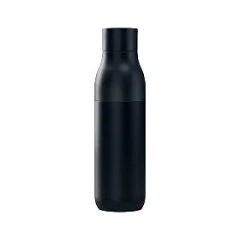
LARQ PureVis Water Bottle
No coating of concern recorded, and no PFAS statement from the brand.
The brand has published no PFAS statement for this product that we could find.
We flunk more products than we pass. This one earned its grade. How we grade
Material
Borosilicate glass, stainless steel, replaceable carbon/activated charcoal filter
Lab data
No public lab test
What LARQ PureVis Water Bottle is made of, ingredients and materials
The LARQ PureVis uses borosilicate glass as its primary contact surface, which is chemically inert and does not leach metals or organic compounds into water under normal use. The stainless steel components (cap, base hardware) are passive materials that do not degrade or migrate into liquids. The replaceable carbon/activated charcoal filter removes chlorine taste and some organic contaminants but does not add chemical risk if maintained properly. No polymer coatings or interior enamel finishes are listed, eliminating ceramic glaze or polymer-based leaching concerns common in other bottle types.
What’s concerning
No PFAS disclosure
No public statement from the brand about PFAS in this product.
Category baseline
The starting point for this type of product, before anything specific to this product is counted.
Bacterial growth in replaceable filter
Activated charcoal filters can support bacterial biofilm if left unmaintained or if water sits stagnant in the cartridge. LARQ does not list antimicrobial treatment of the filter media, making adherence to replacement schedules critical.
Seal and gasket degradation
The bottle uses elastomer seals and gaskets (material not specified publicly) that may degrade with age, heat, or repeated dishwasher exposure. Worn seals can allow bacterial contamination or water leakage but do not themselves introduce chemical hazards if standard food-grade rubber or silicone is used.
What’s reassuring
Base material not linked to PFAS
The main material recorded for this product is not one associated with PFAS.
Stainless steel alloy composition
No hazardous nickel leaching or corrosion has been reported for LARQ's steel hardware. Standard food-grade stainless (typically 304 or 316) is inert in water contact; specific alloy details are not disclosed but no safety issues are documented.
Borosilicate glass thermal stress
Borosilicate glass is engineered for temperature tolerance but is not immune to rapid thermal cycling; breakage is a mechanical risk, not a chemical hazard. No leaching of glass constituents (silica, boron) occurs under normal use.
Filter housing or cartridge leachables
No public reports of chemical migration from the filter housing or activated charcoal media into drinking water. Charcoal itself does not leach organic solvents or metals under normal pH and temperature conditions.
The full breakdown
The brand's record and disclosure
LARQ has not issued a public PFAS statement, but no PFAS-containing coatings or water-repellent treatments have been recorded on this model. The brand markets the bottle as a filtration device rather than emphasizing material purity, and does not list third-party certifications (NSF, FDA material compliance letters) in publicly available documentation. No recalls or established safety controversies are on record for this specific product line.
How it compares in its category
Borosilicate glass bottles like this one have lower concern for water contact compared to stainless steel liners with polymer coatings that may contain BPA or PFAS sealants. The carbon filter adds practical utility but requires user maintenance; many competing bottles omit filters entirely to reduce complexity. Price reflects the glass construction and filtration system, placing it in the mid-to-premium segment.
If you buy it
Replace the charcoal filter according to the manufacturer's schedule (typically every 2-3 months or after 40-60 liters) to prevent bacterial colonization and maintain filtration performance; standing water in an unmaintained filter poses microbial risk, not chemical leaching. Borosilicate glass is thermally durable but not shock-proof; avoid thermal shock (filling with very hot liquid immediately after cold exposure) to prevent cracking. Do not assume the filter removes all contaminants; it is designed for taste/odor reduction and light particulate removal, not comprehensive water treatment. Hand-wash glass and steel components to avoid dishwasher wear on seals.
What we don’t know
- Basis
- Model estimate, 72% confidence, not a lab result
- Lab test
- None on record for this exact product
- Brand statement
- LARQ has made a specific claim
Formulations change between production runs, so check the current label. How we grade.
Better-graded alternatives in Portable Water Bottles
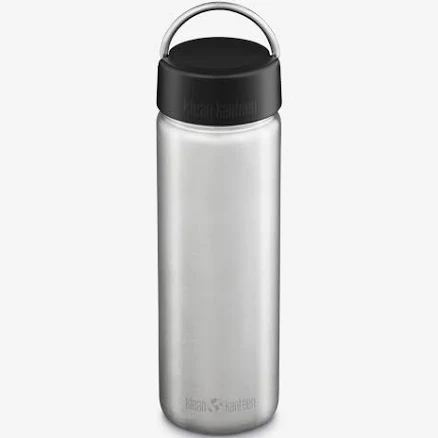
Klean Kanteen
27oz Wide Water Bottle with Loop Cap
- 18/8 stainless steel, no interior coating
- The brand calls it PFAS-free, which we have not verified
- Cap or closure contamination
2 hazards checked on this product. See all of them.
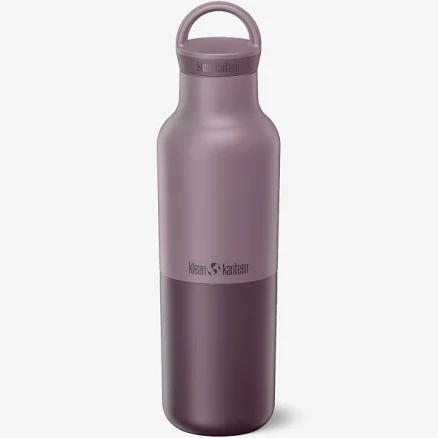
Klean Kanteen
Rise Classic Insulated Water Bottle
- stainless steel body, foam insulation, stainless steel cap
- The brand calls it PFAS-free, which we have not verified
- Cap gasket and seal contamination
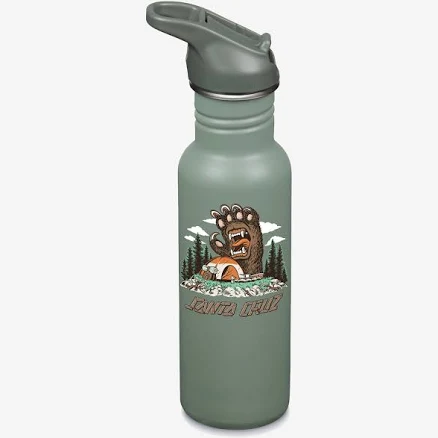
Klean Kanteen
Classic Flip Seal Sport Cap
- Stainless steel bottle, plastic flip cap
- The brand calls it PFAS-free, which we have not verified
- Plastic cap degradation and microplastic shedding
3 hazards checked on this product. See all of them.
More portable water bottles grades
How we score, every product runs through the same public 0-100 rubric based on materials, coatings, brand disclosure, lab findings, and recalls. See the full methodology → Spotted a mistake? Report an error.