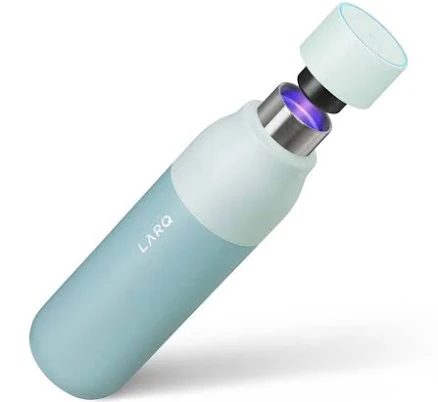
LARQ Self-Cleaning Bottle
Lower concern; glass container avoids PFAS coating risks.
Borosilicate glass container and activated carbon filter are the key components. Both materials naturally sidestep PFAS risk from coatings.
We flunk more products than we pass. This one earned its grade. How we grade
Material
Borosilicate glass bottle, activated carbon filter cartridge
Lab data
No public lab test
What LARQ Self-Cleaning Bottle is made of, ingredients and materials
The LARQ bottle uses borosilicate glass as its primary container, which is chemically inert and does not leach minerals, BPA, or other endocrine disruptors even when filled with water or exposed to moderate temperature changes. The filter cartridge contains activated carbon, a standard media for chlorine and odor removal with no established toxicity concerns for water contact. The cap and seals are typically food-grade silicone or plastic polymers; no specific composition has been publicly disclosed by LARQ, which introduces minor uncertainty about phthalate or BPA presence in sealing components.
What’s concerning
Category baseline
The starting point for this type of product, before anything specific to this product is counted.
No PFAS disclosure
No public statement from the brand about PFAS in this product.
Bacterial growth in filter cartridge if not maintained
Activated carbon media can harbor bacteria if left saturated and unmaintained or if cartridge replacement intervals are exceeded. This is a user-dependent risk, not a design flaw specific to LARQ, but the brand does not prominently emphasize replacement frequency.
Leachables from cap and seal polymers
LARQ has not disclosed the specific type or composition of silicone or plastic used in seals and caps. Food-grade silicone is standard practice, but BPA or phthalates cannot be ruled out without independent testing or published material specs.
Borosilicate glass fracture or thermal shock
Borosilicate glass is durable but can fracture if exposed to rapid temperature swings or physical impact. This is a safety concern due to sharp glass shards, not chemical leaching. User reviews document occasional breakage during transport or cleaning.
Filter media efficacy degradation and contaminant breakthrough
No published independent certification (NSF Standard 53 or equivalent) confirms LARQ's filter removes specific contaminants like lead, arsenic, or microbial cysts. Activated carbon alone does not remove all dissolved minerals or pathogens; reliance on an unvalidated filter may create false sense of safety.
What’s reassuring
Base material not linked to PFAS
The main material recorded for this product is not one associated with PFAS.
None known for borosilicate glass container itself
Borosilicate glass is inert, non-toxic, and does not release harmful chemicals during normal use or storage at room temperature. This material avoids virtually all leaching hazards present in plastic or coated metal alternatives.
The full breakdown
The brand's record and disclosure
LARQ markets the product as a sustainability and health-focused water filter but has not published detailed material safety data sheets or independent third-party certifications (NSF, WQA) for its filter cartridge. The company has remained silent on PFAS testing or avoidance, despite PFAS becoming a standard disclosure point for water filtration brands. No recalls, product safety incidents, or regulatory warnings have been publicly documented. The brand's opacity on filter media sourcing and cap material composition limits full verification.
How it compares in its category
LARQ's glass design is a significant advantage over plastic pitcher filters (which may leach from polymer housing) and stainless steel bottles (which carry bacterial biofilm risk in seams). Most mass-market filters (Brita, PUR) lack third-party certification and similarly do not disclose PFAS testing. LARQ's UV self-cleaning feature is a minor plus for reducing filter reliance, but does not replace regular cartridge replacement and adds electronic complexity not relevant to chemical safety.
If you buy it
Replace the activated carbon cartridge every 2-3 months or per manufacturer guidance to prevent bacterial colonization in saturated media. Do not expose the glass to extreme thermal shock (very hot to very cold water in rapid succession), as borosilicate can fracture. Inspect seals and caps for visible wear; silicone degrades over time and may require replacement independently of the filter. Clean the bottle weekly with warm soapy water and rinse thoroughly to prevent biofilm on interior surfaces.
What we don’t know
- Basis
- Model estimate, 72% confidence, not a lab result
- Lab test
- None on record for this exact product
- Brand statement
- LARQ has made a specific claim
Formulations change between production runs, so check the current label. How we grade.
Better-graded alternatives in Portable Water Bottles
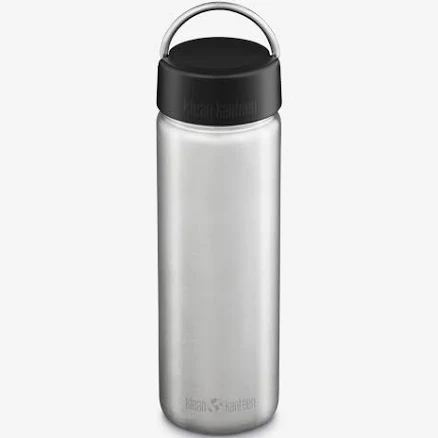
Klean Kanteen
27oz Wide Water Bottle with Loop Cap
- 18/8 stainless steel, no interior coating
- The brand calls it PFAS-free, which we have not verified
- Cap or closure contamination
2 hazards checked on this product. See all of them.
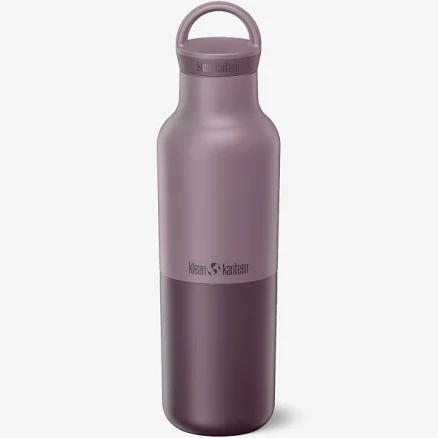
Klean Kanteen
Rise Classic Insulated Water Bottle
- stainless steel body, foam insulation, stainless steel cap
- The brand calls it PFAS-free, which we have not verified
- Cap gasket and seal contamination
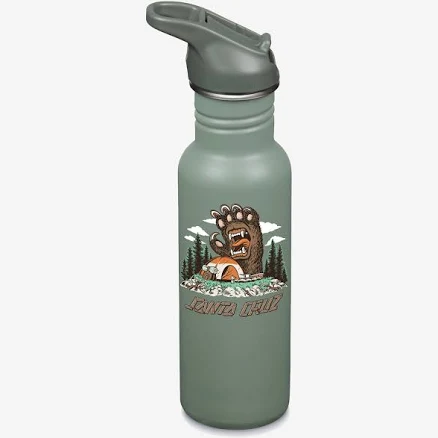
Klean Kanteen
Classic Flip Seal Sport Cap
- Stainless steel bottle, plastic flip cap
- The brand calls it PFAS-free, which we have not verified
- Plastic cap degradation and microplastic shedding
3 hazards checked on this product. See all of them.
More portable water bottles grades
How we score, every product runs through the same public 0-100 rubric based on materials, coatings, brand disclosure, lab findings, and recalls. See the full methodology → Spotted a mistake? Report an error.