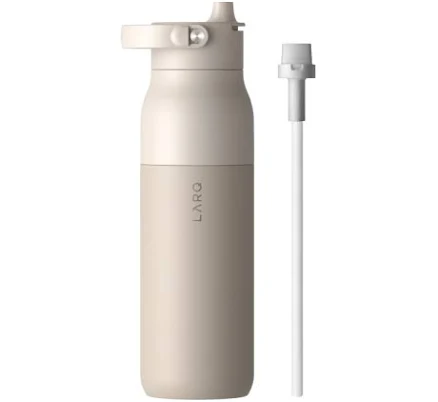
LARQ Swig Top Water Bottle
Glass bottle with a carbon filter and no coating on record.
LARQ's borosilicate glass body and activated carbon filters are inherently low-risk materials. Core materials avoid typical PFAS applications.
We flunk more products than we pass. This one earned its grade. How we grade
Material
borosilicate glass body, activated carbon filters
Lab data
No public lab test
What LARQ Swig Top Water Bottle is made of, ingredients and materials
The LARQ Swig Top uses a borosilicate glass body, which is chemically inert and does not leach metals, BPA, or other endocrine disruptors into water even when heated or stored long-term. The filtration mechanism relies on activated carbon (typically coconut-shell derived) to absorb chlorine, odor, and some contaminants. Borosilicate glass is thermal-shock resistant across temperature ranges typical of drinking water use. The plastic components (filter housing, cap) are the only potential weak points for leaching, but no specific contamination reports exist for this product line.
What’s concerning
Category baseline
The starting point for this type of product, before anything specific to this product is counted.
No PFAS disclosure
No public statement from the brand about PFAS in this product.
Bacterial growth in filter housing
Activated carbon filters can accumulate bacteria if not rinsed regularly or left wet between uses. LARQ does not publish maintenance protocols or filter storage guidelines that would mitigate this risk. Proper drying and timely replacement reduce likelihood.
Filter effectiveness not independently verified
LARQ does not publish NSF or WQA certification for contaminant removal (e.g., lead, chlorine, cryptosporidium). Activated carbon efficacy is water-dependent and unverified in this product; marketing claims exceed documented performance.
What’s reassuring
Base material not linked to PFAS
The main material recorded for this product is not one associated with PFAS.
Plastic cap and filter seals leaching
The bottle's plastic components (cap, filter cartridge casing) are not detailed publicly as to resin type or additives. No leaching incidents reported, but unknown material composition means potential for BPA or phthalates cannot be ruled out without disclosure.
Microplastic contamination from filter media degradation
Activated carbon shedding into water is rare but possible if the filter cartridge is damaged or compressed. LARQ's filter design and housing tolerances are not publicly documented. Risk is low with intact filters and proper handling.
Glass body thermal shock or breakage
Borosilicate glass is durable but can crack if exposed to extreme temperature swings or hard impacts. This is a physical safety and potential sharp-edge hazard, not a chemical contamination risk, but bears mention for child or careless-use scenarios.
The full breakdown
The brand's record and disclosure
LARQ has not published third-party safety certifications (NSF, WQA) for filter efficacy or material testing results, which is typical for consumer-level bottle filters but limits independent verification of claims. The company does not publicly disclose PFAS testing or remediation in its filter media, though activated carbon is a standard medium for PFAS removal in municipal systems. No product recalls, contamination incidents, or safety investigations involving LARQ bottles have been documented in public health databases. The brand focuses on UV purification (in some models) rather than filtration, but the Swig Top is filter-only.
How it compares in its category
The Swig Top occupies the mid-to-premium segment of reusable water bottles with integrated carbon filtration. Glass bodies present lower concern than plastic alternatives (which carry microplastic and leaching risks) and are more durable than stainless steel lined with proprietary coatings (which can degrade). Compared to pitcher filters (Brita, PUR), the Swig Top offers portability but lower flow rates and smaller filter capacity per use. Most competitors (S'well, Hydro Flask) do not include filtration; LARQ's integration is a differentiator but not independently verified for contaminant removal rates.
If you buy it
Replace the activated carbon filter every 2-4 weeks (or per LARQ guidance) depending on water quality and usage frequency; carbon loses efficacy over time and can harbor bacterial growth if saturated and stored wet. Do not expose the glass to extreme thermal shock (e.g., hot water immediately followed by ice); borosilicate is resistant but not immune. Hand-wash the bottle and filter housing to avoid degradation of seals or plastic components from dishwasher heat. If your tap water is heavily contaminated (high sediment, bacterial load), pre-filter through a pitcher or faucet filter before using the bottle; activated carbon alone does not remove all pathogens.
What we don’t know
- Basis
- Model estimate, 72% confidence, not a lab result
- Lab test
- None on record for this exact product
- Brand statement
- LARQ has made a specific claim
Formulations change between production runs, so check the current label. How we grade.
Better-graded alternatives in Portable Water Bottles
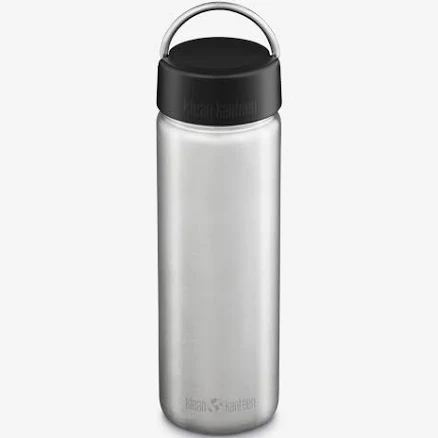
Klean Kanteen
27oz Wide Water Bottle with Loop Cap
- 18/8 stainless steel, no interior coating
- The brand calls it PFAS-free, which we have not verified
- Cap or closure contamination
2 hazards checked on this product. See all of them.
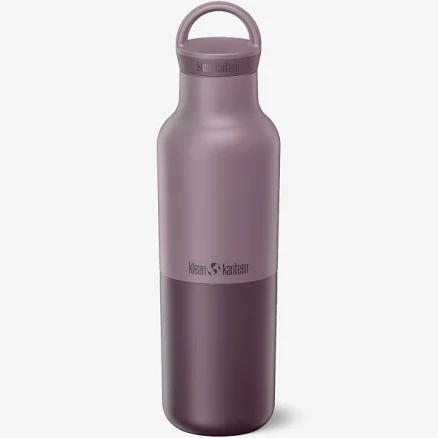
Klean Kanteen
Rise Classic Insulated Water Bottle
- stainless steel body, foam insulation, stainless steel cap
- The brand calls it PFAS-free, which we have not verified
- Cap gasket and seal contamination
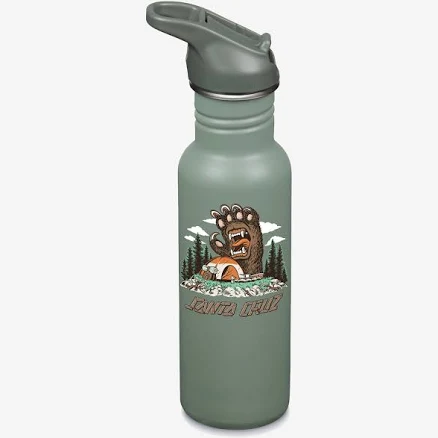
Klean Kanteen
Classic Flip Seal Sport Cap
- Stainless steel bottle, plastic flip cap
- The brand calls it PFAS-free, which we have not verified
- Plastic cap degradation and microplastic shedding
3 hazards checked on this product. See all of them.
More portable water bottles grades
How we score, every product runs through the same public 0-100 rubric based on materials, coatings, brand disclosure, lab findings, and recalls. See the full methodology → Spotted a mistake? Report an error.