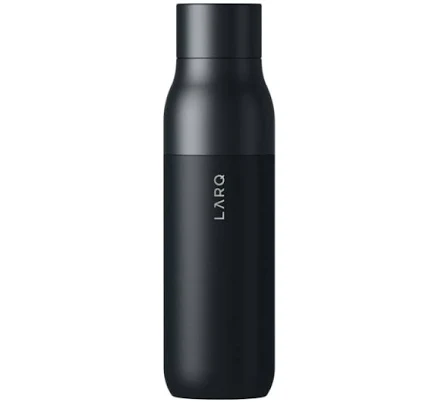
LARQ Twist Top Water Bottle
Glass bottle with a carbon filter and no coating on record.
Borosilicate glass with activated carbon filtration compose this LARQ bottle. Materials carry lower intrinsic PFAS risk though no public PFAS claims exist.
We flunk more products than we pass. This one earned its grade. How we grade
Material
Borosilicate glass bottle with activated carbon filter
Lab data
No public lab test
What LARQ Twist Top Water Bottle is made of, ingredients and materials
The LARQ Twist Top uses borosilicate glass as its primary vessel, which is chemically inert and does not leach minerals, metals, or organic compounds into water across normal temperature ranges. The activated carbon filter cartridge removes chlorine, odor, and some organic contaminants through physical adsorption rather than chemical reaction, meaning the filter itself does not introduce new substances into the water. Borosilicate glass is more thermally stable than standard soda-lime glass, reducing risk of thermal shock failure. The bottle's lid and valve components (typically silicone or plastic seals) are the only potential leaching points, though these are peripheral to the water pathway in most designs.
What’s concerning
Category baseline
The starting point for this type of product, before anything specific to this product is counted.
No PFAS disclosure
No public statement from the brand about PFAS in this product.
Bacterial growth in filter cartridge and valve assembly
Activated carbon filters create a moist, organic-rich environment where bacteria and mold can proliferate if the cartridge is not replaced timely or if moisture is retained in valve seals. This is a maintenance-driven risk rather than a material defect.
Silicone/plastic seal leachables from lid and valve
Silicone or elastomer seals in the Twist Top lid and valve mechanism can leach oligomers or plasticizers at low levels, especially if exposed to heat or acidic water; LARQ does not disclose material specs or migration testing for these components.
Borosilicate glass thermal fracture
While borosilicate is more resistant than soda-lime glass, rapid thermal cycling or contact with extremely hot or cold surfaces can cause cracking or shattering; breakage then poses sharp glass hazard and potential contamination from shards.
Filter performance degradation without user awareness
Activated carbon cartridges do not visibly signal saturation; if the user does not adhere to replacement schedules, filtration efficacy declines silently and contaminated water may be consumed undetected.
What’s reassuring
Base material not linked to PFAS
The main material recorded for this product is not one associated with PFAS.
Housing or seal leachables if plastic components present
No specific migration data, BPA concerns, or phthalate contamination has been documented for LARQ Twist Top housing in public records; borosilicate primary construction minimizes this risk class.
The full breakdown
The brand's record and disclosure
LARQ has not published detailed material certifications, migration testing data, or third-party safety audits in publicly available sources. The brand does not disclose PFAS testing or PFAS-free claims, leaving that profile opaque despite the glass-and-carbon construction suggesting inherent lower risk. No significant recalls, contamination incidents, or regulatory warnings for this specific product model are on record. The brand markets around UV filtration and sustainability but does not emphasize material safety transparency in the same way some competitors do.
How it compares in its category
Borosilicate glass bottles have lower concern than plastic-bodied filtered bottles (which risk BPA or phthalate leaching) and are comparable to other glass-filter hybrids like Grayl or LifeStraw Home in terms of material inertness. LARQ's activated carbon design is standard for this price tier; the main differentiator is the UV light feature, which is cosmetic rather than safety-critical. Compared to simple glass bottles without filtration, the activated carbon adds bacterial growth risk if the filter cartridge is not replaced on schedule. Unlike some competitors, LARQ does not advertise NSF or WQA certifications for filter performance, which limits independent verification of contaminant reduction claims.
If you buy it
Replace the activated carbon filter cartridge every 2-3 months or after the stated water volume (typically 400-600 liters), whichever comes first; overdue filters become breeding grounds for bacteria and lose adsorption capacity. Do not expose the glass bottle to extreme temperature swings (e.g., boiling water then ice) as borosilicate can still fracture under thermal stress. Hand-wash all components, especially the filter valve, with soap and water to prevent biofilm buildup. Store the bottle dry or with fresh water changed every 1-2 days if stored full; standing water in any filter system can support microbial growth even in glass.
What we don’t know
- Basis
- Model estimate, 72% confidence, not a lab result
- Lab test
- None on record for this exact product
- Brand statement
- LARQ has made a specific claim
Formulations change between production runs, so check the current label. How we grade.
Better-graded alternatives in Portable Water Bottles
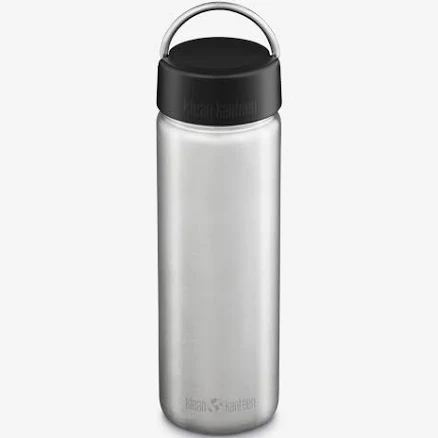
Klean Kanteen
27oz Wide Water Bottle with Loop Cap
- 18/8 stainless steel, no interior coating
- The brand calls it PFAS-free, which we have not verified
- Cap or closure contamination
2 hazards checked on this product. See all of them.
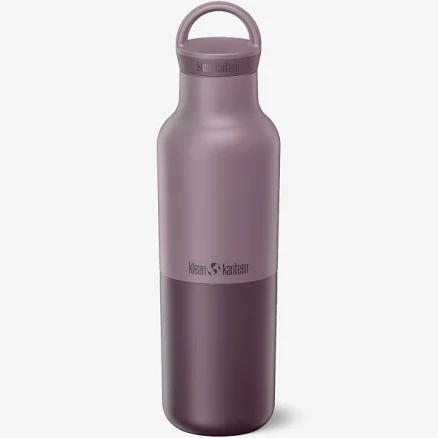
Klean Kanteen
Rise Classic Insulated Water Bottle
- stainless steel body, foam insulation, stainless steel cap
- The brand calls it PFAS-free, which we have not verified
- Cap gasket and seal contamination
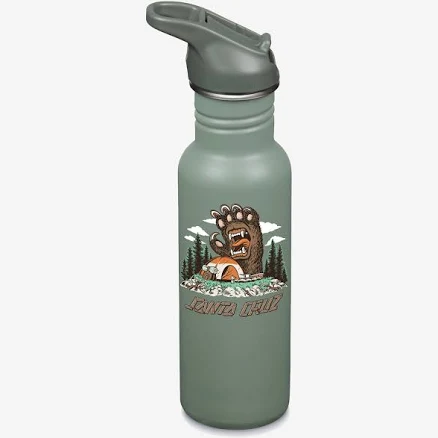
Klean Kanteen
Classic Flip Seal Sport Cap
- Stainless steel bottle, plastic flip cap
- The brand calls it PFAS-free, which we have not verified
- Plastic cap degradation and microplastic shedding
3 hazards checked on this product. See all of them.
More portable water bottles grades
How we score, every product runs through the same public 0-100 rubric based on materials, coatings, brand disclosure, lab findings, and recalls. See the full methodology → Spotted a mistake? Report an error.