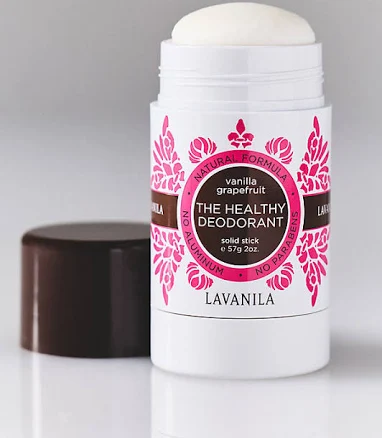
Lavanila The Healthy Deodorant Solid Stick
Lower concern; simple powder formula with no reported PFAS use, but brand discloses nothing.
This solid stick uses natural mineral-based powders like beeswax, talc, and arrowroot, materials unlikely to contain PFAS. The brand offers no explicit PFAS claims and provides no third-party verification.
We flunk more products than we pass. This one earned its grade. How we grade
Material
Natural mineral-based dry formulation (beeswax, talc, arrowroot, essential oils)
Brand disclosure
Brand is silent on PFAS
Lab data
No public lab test
You may also be interested in
Top-graded picks in the categories readers replace first, every one scored on the same rubric.

- polypropylene filter housing, carbon/sediment cartridge
- We found no PFAS statement from the brand
- Bacterial growth in spent cartridges
3 hazards checked on this product, all on its full breakdown.

Aquasure
Premier Series 75 GPD Under Sink Reverse Osmosis Water Filtration System
- RO membrane, carbon filters, stainless steel housing
- We found no PFAS statement from the brand
- Bacterial and microbial growth in housing and filters
4 hazards checked on this product, all on its full breakdown.

Avocado
Vegan Mattress
- organic cotton, natural latex, coconut coir, recycled steel coils
- The brand calls it PFAS-free, which we have not verified
- Heavy metals
2 hazards checked on this product, all on its full breakdown.
What Lavanila The Healthy Deodorant Solid Stick is made of, ingredients and materials
Lavanila's solid stick uses talc, beeswax, arrowroot starch, and essential oils as its active ingredients. Talc is a naturally occurring mineral powder that absorbs moisture and odor; the concern centers on potential asbestos contamination, which can occur if talc ore is mined near asbestos deposits. Beeswax provides binding and mild antimicrobial properties. This formulation contains no synthetic antiperspirant actives (aluminum compounds), making it primarily a deodorant rather than an antiperspirant.
What’s concerning
Category baseline
The starting point for this type of product, before anything specific to this product is counted.
No PFAS disclosure
No public statement from the brand about PFAS in this product.
Talc contamination (asbestos risk)
Talc ore can be contaminated with asbestos during mining if deposits overlap. No public testing or sourcing disclosure from Lavanila; asbestos risk in cosmetic talc remains a regulatory concern in the US and EU. Actual contamination in this product line is not documented, but lack of transparency prevents independent verification.
Fragrance allergens and irritation from essential oils
Lavender and other essential oils in this product are common contact allergens and skin irritants in sensitive individuals. The product lists 'essential oils' without full fragrance disclosure, limiting identification of specific irritant compounds for allergy-prone users.
Inhalation hazard during application
Powder inhalation risk is inherent to talc sticks; chronic inhalation can contribute to respiratory irritation. This is not unique to Lavanila but is a known risk of the product category and application method. Users should avoid breathing in powder directly.
What’s reassuring
Base material not linked to PFAS
The main material recorded for this product is not one associated with PFAS.
Heavy metals
No recalls or reports of lead, cadmium, or other heavy metal contamination in Lavanila deodorants. Talc sourcing from reputable suppliers typically excludes high heavy metal loads, but brand does not publish testing data to confirm purity.
Source, FDA ↗Beeswax purity and bee product contamination
No established safety concerns with beeswax in cosmetics when sourced from reputable suppliers. Lavanila does not disclose sourcing region or pesticide testing for beeswax, so residual agricultural chemicals cannot be ruled out but are not reported as issues in this product.
How is this PFAS grade calculated?
The brand's record and disclosure
Lavanila markets itself as a natural, clean deodorant brand and holds no major reported recalls or safety violations on record. However, the brand provides no public documentation of talc sourcing, asbestos testing protocols, or third-party audits of mineral purity. Lavanila does not publish ingredient sourcing statements or heavy metal testing results, leaving talc provenance opaque to consumers. The brand's silence on supply-chain transparency is typical of smaller indie beauty lines but limits verification of safety margins.
How it compares in its category
Talc-based deodorants occupy a middle ground in the category, they avoid aluminum antiperspirant risk but carry talc-specific hazards that synthetic or aluminum-free alternatives (baking soda, starch, or activated charcoal sticks) sidestep. Most mass-market and premium deodorants use either aluminum compounds, silica-derived powders, or starches instead. Lavanila's reliance on talc is a deliberate trade-off for 'natural' positioning rather than a safety standard.
If you buy it
Store in a cool, dry location away from moisture to prevent clumping and bacterial growth in the stick. Do not inhale the powder directly during application; apply to skin and allow to dry. Replace after 6-12 months of regular use or if the stick becomes damp or discolored. If you have known talc sensitivities or a history of lung issues, consider a talc-free deodorant alternative (arrowroot or starch-based sticks from other brands).
What is not known about PFAS in this product?
- Basis
- Model estimate, 72% confidence, not a lab result
- Lab test
- None on record for this exact product
- Brand statement
- Lavanila has made none
Formulations change between production runs, so check the current label. How we grade.
What are the PFAS-free alternatives to Lavanila The Healthy Deodorant Solid Stick?
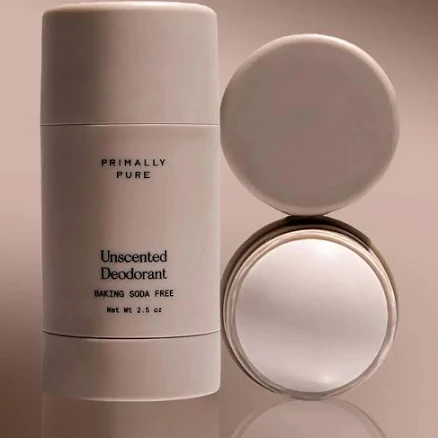
- mineral-based powder blend (arrowroot, magnesium hydroxide, mica)
- We found no PFAS statement from the brand
- Skin irritation from magnesium hydroxide alkalinity
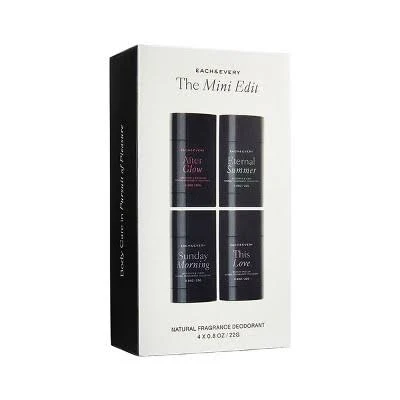
- cosmetic formulations, primary ingredients listed
- A third party reports verifying it as PFAS-free
- Fragrance allergens (natural essential oils)
2 hazards checked on this product, all on its full breakdown.
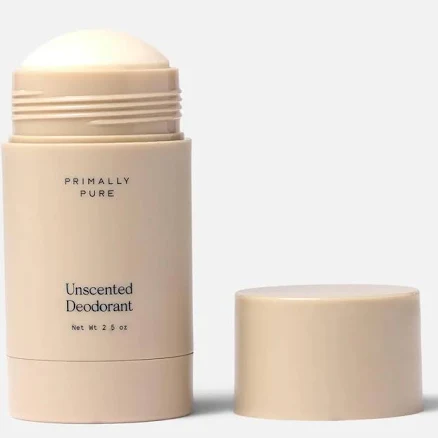
- natural mineral powders, plant-based actives, beeswax
- We found no PFAS statement from the brand
- Beeswax purity and contamination
2 hazards checked on this product, all on its full breakdown.
More deodorant grades
How we score, every product runs through the same public 0-100 rubric based on materials, coatings, brand disclosure, lab findings, and recalls. See the full methodology → Spotted a mistake? Report an error.