Le Creuset · Pizza Stones & Baking Surfaces
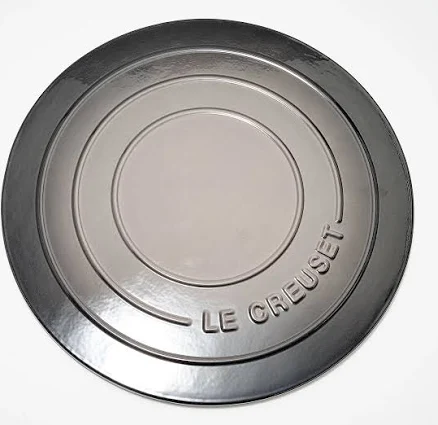
Le Creuset Pizza Stone Oyster
Lower PFAS concern, uncoated ceramic pizza stone with no nonstick or water-resistant treatment.
Ceramic material with no nonstick coating or water-resistant treatment. Le Creuset doesn't disclose PFAS information, but plain ceramic construction presents lower concern than coated cookware.
The better-graded swap
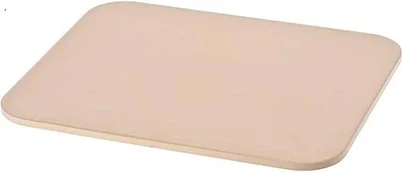
15-Inch Ceramic Pizza Stone for Perfect Crispy Crusts
90/100 safety
Same rubric that flunked this product. The swap earned Excellent.
Still want this one anyway? Check the price on Amazon. We’d swap it.
Material
Stoneware (ceramic)
Lab data
No public lab test
You may also be interested in
Top-graded picks in the categories readers replace first, every one scored on the same rubric.

Aqua Pure
3M Aqua-Pure AP802B Whole House Filter Housing
- polypropylene filter housing, carbon/sediment cartridge
- We found no PFAS statement from the brand
- Bacterial growth in spent cartridges
3 hazards checked on this product. See all of them.

Aquasure
Premier Series 75 GPD Under Sink Reverse Osmosis Water Filtration System
- RO membrane, carbon filters, stainless steel housing
- We found no PFAS statement from the brand
- Bacterial and microbial growth in housing and filters
4 hazards checked on this product. See all of them.

Avocado
Vegan Mattress
- organic cotton, natural latex, coconut coir, recycled steel coils
- The brand calls it PFAS-free, which we have not verified
- Heavy metals
2 hazards checked on this product. See all of them.
Is Le Creuset Pizza Stone Oyster non-toxic? What it is made of
Le Creuset's pizza stone is stoneware, a high-fired ceramic material composed primarily of clay minerals (silicates) and feldspar, heated to approximately 1200-1250 degrees Celsius. Once fired to this temperature, the clay becomes vitrified, meaning the pores seal and the material becomes dense and non-porous relative to raw clay. This firing process locks the mineral structure in place, making leaching of heavy metals or other contaminants from the base ceramic unlikely under normal cooking conditions. Stoneware has no nonstick coating, enamel glaze on food-contact surfaces, or water-resistant treatment, which eliminates the primary vectors for problematic chemical migration.
What’s concerning
Category baseline
The starting point for this type of product, before anything specific to this product is counted.
No PFAS disclosure
No public statement from the brand about PFAS in this product.
Thermal shock and structural failure (crack/dust inhalation)
Stoneware is prone to cracking if exposed to rapid temperature changes. Cracks create sharp edges and fine ceramic dust, which poses minor inhalation and cut risks if mishandled during use or cleaning.
Moisture absorption and mold/bacterial growth
Unglazed stoneware can absorb water and oils over time if not properly seasoned or dried; this may create conditions for microbial growth in storage, though this is uncommon with proper maintenance and air drying.
Degradation of ceramic structure under sustained high heat
Repeated use above 500°F or in direct flame conditions may accelerate micro-cracking and structural weakening of stoneware over years of use, though this is a durability rather than acute safety issue.
Silica dust from wear or breakage
Stoneware is composed of silicates; significant cracking or grinding can release crystalline silica dust. Risk is low in normal kitchen use but relevant if the stone is deliberately crushed or heavily damaged.
What’s reassuring
Base material not linked to PFAS
The main material recorded for this product is not one associated with PFAS.
Lead
Le Creuset pizza stones have no reported contamination. Traditional stoneware firing at high temperature and lack of decorative glaze on the cooking surface make this hazard unlikely, but no independent test data for this specific SKU is publicly available.
Source, ATSDR ↗The full breakdown
The brand's record and disclosure
Le Creuset has not publicly disclosed third-party safety testing results or material certifications specific to heavy metal content in its pizza stone line. The brand is known for cookware quality and has faced no documented recalls or safety controversies involving this product category. Le Creuset maintains manufacturing standards in France and overseas facilities, though specific certifications (such as California Prop 65 compliance statements or lead-test documentation) are not prominently featured in consumer materials. The brand's silence on detailed chemical disclosure is typical for ceramic bakeware manufacturers but leaves independent verification limited.
How it compares in its category
Pizza stones come in three main types, uncoated ceramic/stoneware (like this), cordierite (synthetic ceramic), and cast iron. Uncoated stoneware is among the lower concern options because it contains no applied coatings, nonstick agents, or glaze treatments on the cooking surface; cordierite and some ceramic stones may carry similar risk profiles but are often imported with less regulatory oversight. Cast iron and some cheaper ceramic stones may leach iron or, rarely, lead if glazes are poorly formulated. Le Creuset's stoneware sits at the premium, lower-risk end of this spectrum.
If you buy it
Preheat slowly and avoid thermal shock, which can crack stoneware and create sharp edges or dust. Do not use at temperatures above 500 degrees Fahrenheit (typical pizza oven use carries lower thermal degradation risk at 450-500°F); exceeding this can degrade the ceramic structure. Hand wash only; dishwasher use risks thermal cycling and mechanical stress. Inspect regularly for cracks or chips; once compromised, discard the stone to avoid inhaling ceramic dust or sharp fragments during use. Store in a cool, dry place to prevent moisture absorption that can weaken the fired structure.
What we don’t know
- Basis
- Model estimate, 85% confidence, not a lab result
- Lab test
- None on record for this exact product
- Brand statement
- Le Creuset has made a specific claim
Formulations change between production runs, so check the current label. How we grade.
Better-graded alternatives in Pizza Stones & Baking Surfaces
15-Inch Ceramic Pizza Stone for Perfect Crispy Crusts
- Ceramic (clay-based baking stone)
- The brand calls it PFAS-free, which we have not verified
- Glaze degradation and surface leaching
3 hazards checked on this product. See all of them.
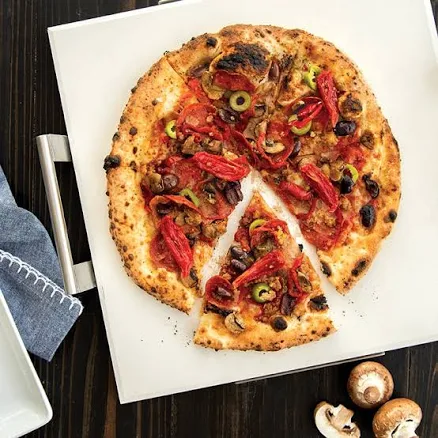
Deluxe Square Pizza Stone with Rack
- ceramic or unglazed stone; no nonstick coating
- The brand calls it PFAS-free, which we have not verified
- Ceramic or stone cracking and fragmentation
2 hazards checked on this product. See all of them.
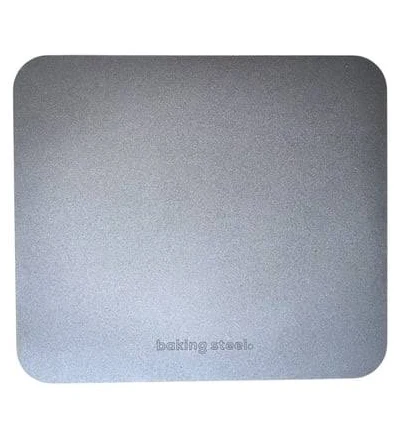
Baking Steel
The Original Ultra Conductive Pizza Stone
- carbon steel (bare metal, no coating)
- We found no PFAS statement from the brand
- Rust and corrosion
2 hazards checked on this product. See all of them.
Find an alternative on AmazonMore pizza stones & baking surfaces grades
How we score, every product runs through the same public 0-100 rubric based on materials, coatings, brand disclosure, lab findings, and recalls. See the full methodology → Spotted a mistake? Report an error.