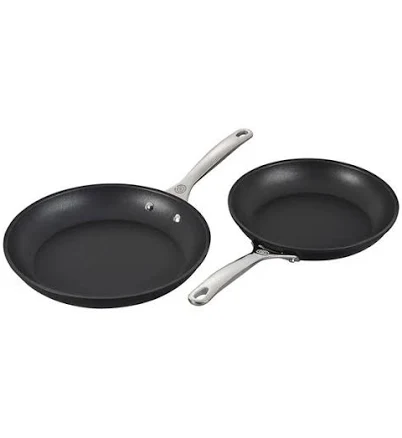
Le Creuset · Non-Stick Kitchen Gadgets
Toughened Non-stick PRO Fry Pan Set, Is It Non-Toxic?
Teflon-type coating non-stick coating, disclosed by the brand.
Le Creuset discloses that its Toughened Non-stick PRO coating contains Teflon-type coating, FEP and PFA, which are Teflon-family coating in the PFAS family.
The better-graded swap
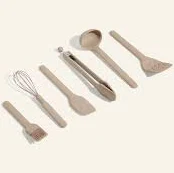
Our Place
Our Place Essential Utensil Set
90/100 safety
Same rubric that flunked this product. The swap earned Excellent.
Still want this one anyway? Check the price on Amazon. We’d swap it.
Material
Teflon-type coating non-stick coating, with FEP and PFA, as disclosed by Le Creuset
Lab data
No public lab test
You may also be interested in
Top-graded picks in the categories readers replace first, every one scored on the same rubric.

- polypropylene filter housing, carbon/sediment cartridge
- We found no PFAS statement from the brand
- Bacterial growth in spent cartridges
3 hazards checked on this product, all on its full breakdown.

Aquasure
Premier Series 75 GPD Under Sink Reverse Osmosis Water Filtration System
- RO membrane, carbon filters, stainless steel housing
- We found no PFAS statement from the brand
- Bacterial and microbial growth in housing and filters
4 hazards checked on this product, all on its full breakdown.

Avocado
Vegan Mattress
- organic cotton, natural latex, coconut coir, recycled steel coils
- The brand calls it PFAS-free, which we have not verified
- Heavy metals
2 hazards checked on this product, all on its full breakdown.
Is Toughened Non-stick PRO Fry Pan Set non-toxic? What it is made of
This pan features Teflon-type coating (polytetrafluoroethylene) non-stick coating with FEP and PFA components, as disclosed by Le Creuset. Teflon-type coating itself is chemically stable at normal cooking temperatures, but degradation accelerates above 500F/260C, releasing fume byproducts. The base is typically aluminum or stainless steel; Le Creuset's specific substrate construction for this line determines whether aluminum directly contacts food or sits beneath protective layers.
What’s concerning
No PFAS disclosure
No PFAS-free statement from the brand for this product.
PTFE / Teflon confirmed
The brand discloses a Teflon-type coating.
Category baseline
The starting point for this type of product, before anything specific to this product is counted.
Teflon-type coating thermal degradation and fume release
Teflon-type coating coatings degrade and release fume byproducts above 500F/260C. Overheating is a user-control issue, but the coating's sensitivity means careless handling (e.g., preheating empty pans on high) poses inhalation risk. This risk is material-specific to Teflon-type coating, not a manufacturing defect.
Coating wear and physical integrity loss
Non-stick cookware coatings thin and flake with repeated use, especially under dishwasher cycles or metal utensil contact. Once integrity is compromised, fume release potential rises and coating flecks may enter food. Le Creuset's premium positioning suggests durability, but no published testing data on coating lifespan for this specific line is on record.
Aluminum substrate leaching (if unprotected)
If the aluminum substrate lies beneath the Teflon-type coating without barrier protection, coating breaches expose aluminum to acidic foods. Le Creuset documentation does not specify whether a non-reactive intermediate layer (e.g., stainless cladding) isolates the aluminum; this must be confirmed by the manufacturer before use with acidic ingredients.
What’s reassuring
Lead
No recalls or public reports of lead or cadmium contamination in this product line have been documented. Premium cookware manufacturers typically avoid these heavy metals in modern formulations, but third-party testing results for this specific set are not publicly available.
Source, ATSDR ↗Volatile organic compound (VOC) off-gassing from handles or substrate
Handle materials and any adhesives in this pan are not detailed in accessible brand disclosures. No VOC off-gassing incidents are on record. Le Creuset's manufacturing standards suggest low concern, but formal VOC testing data is not public.
How is this PFAS grade calculated?
The brand's record and disclosure
Le Creuset publicly names Teflon-type coating, FEP, and PFA in product documentation, which is more transparent than silence but stops short of detailed PFAS sourcing or phase-out timelines. The brand has no published recalls specific to non-stick coating failure or fume incidents for this product line. No third-party certifications (GREENGUARD, etc.) appear on record for these cookware items.
How it compares in its category
Le Creuset non-stick cookware occupies the premium segment and competes with All-Clad, Calphalon, and T-fal. Unlike ceramic or cast-iron alternatives, Teflon-type coating-coated pans require lower cooking temperatures to avoid degradation, which limits versatility. Le Creuset's enameled cast iron and stainless steel lines avoid Teflon-type coating entirely, but this non-stick set is cheaper and lighter, trading durability and PFAS concern for convenience.
If you buy it
Never exceed 500F/260C; most stovetop cooking and low-to-medium oven use stay well below this. Hand wash only; dishwashers accelerate coating wear. Inspect the coating annually for scratches, peeling, or discoloration; replace the pan if non-stick surface visibly degrades, as bare or worn Teflon-type coating presents higher fume risk. Store with felt or cloth between stacked pans to prevent abrasion.
What is not known about PFAS in this product?
- Basis
- Model estimate, 35% confidence, not a lab result
- Lab test
- None on record for this exact product
- Brand statement
- Le Creuset has made a specific claim
Formulations change between production runs, so check the current label. How we grade.
What are the PFAS-free alternatives to Toughened Non-stick PRO Fry Pan Set?
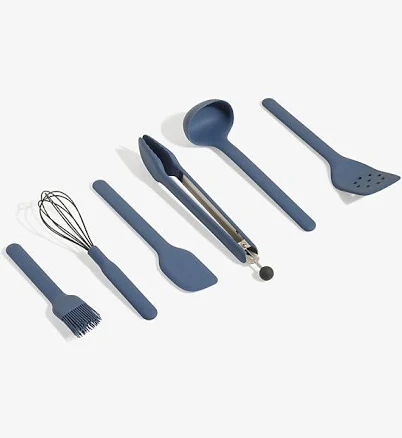
- Silicone utensils, no coating
- The brand calls it PFAS-free, which we have not verified
- Microplastic generation
2 hazards checked on this product, all on its full breakdown.
- Stainless steel utensils
- The brand calls it PFAS-free, which we have not verified
- Nickel leaching from stainless steel
2 hazards checked on this product, all on its full breakdown.
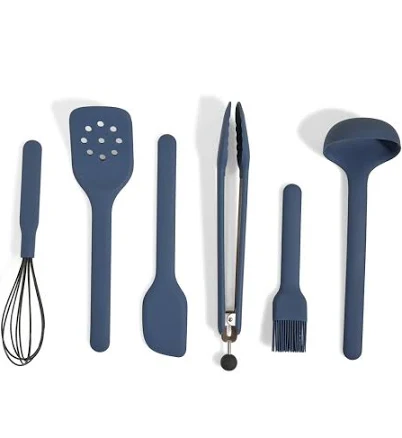
- Stainless steel utensils, material unclear
- The brand calls it PFAS-free, which we have not verified
- Handle material degradation (if present)
2 hazards checked on this product, all on its full breakdown.
More non-stick kitchen gadgets grades
How we score, every product runs through the same public 0-100 rubric based on materials, coatings, brand disclosure, lab findings, and recalls. See the full methodology → Spotted a mistake? Report an error.